

Executed for the cabinet of Ange-Laurent Lalive de Jully (1725-1779), Introducer of Ambassadors at Court.
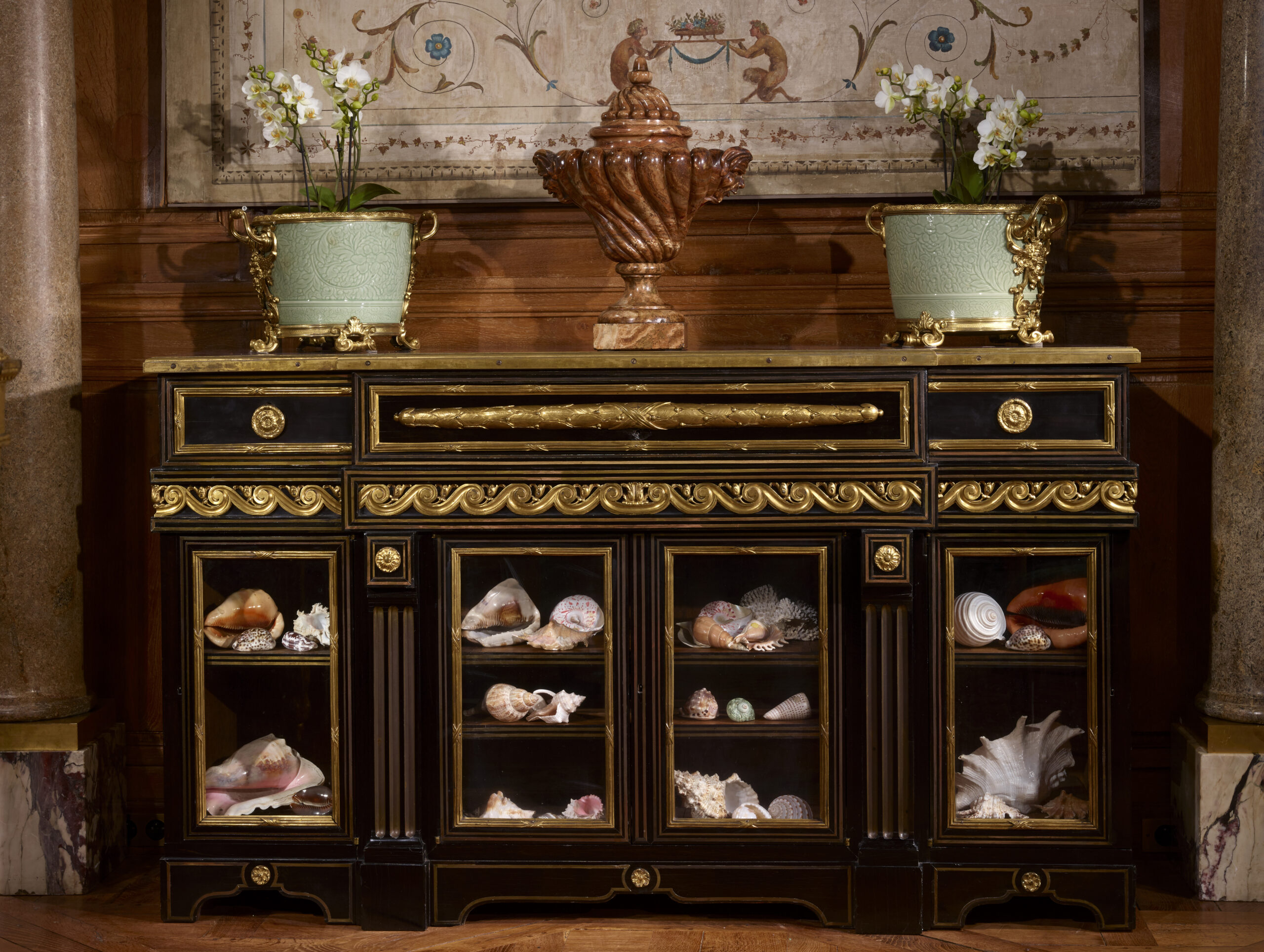
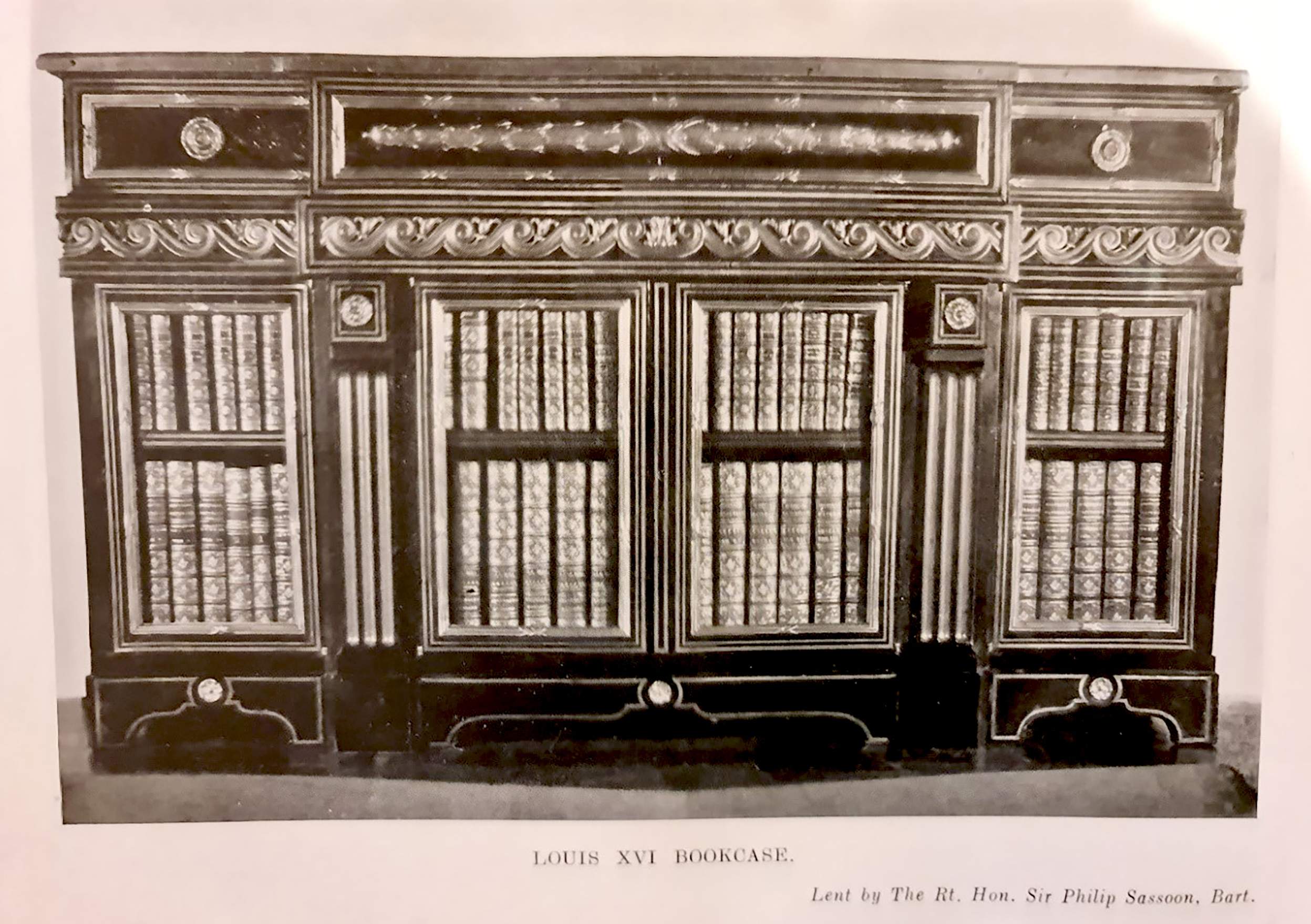
Oak carcass; ebony and ebony veneers; gilt bronze; brass fillets; glass; red griotte marble.
H. 94 cm. (37 in.); W. 161.5 cm. (63 ½ in.); D. 49.5 cm. (19 ½ in).
STAMPS: JOSEPH once; and J.F. LELEU twice, who modified and adapted the piece of furniture around 1764, when the ‘Flemish’ cabinet of Lalive de Jully was reinstalled in the new private mansion he acquired at 4-6 rue de Ménars, Paris; stamp JME (Jurande des Menuisiers et Ebénistes) once.
MARKS AND INSCRIPTIONS: Seligmann, handwritten inscription in graphite, visible in the centre of an oval label of beige paper with a serrated contour and double red edging of the Maison Chenue, also bearing printed in red the mention: CHENUE/EMBALLEUR/5 RUE DE LA TERRASSE-PARIS; 4068 inscribed in graphite on a circular white label fixed under the marble; presence of an inventory label printed in the name of Getty.
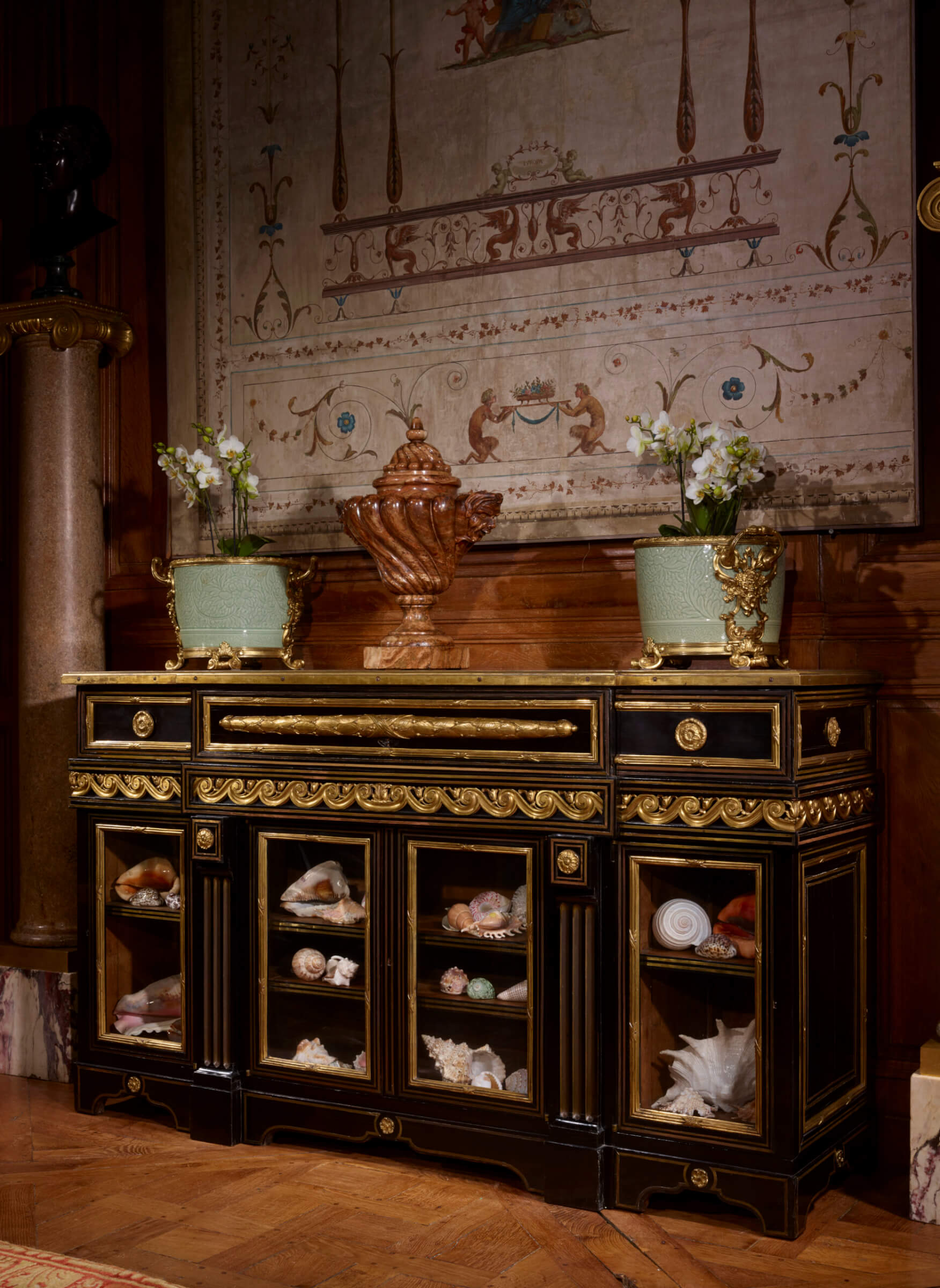
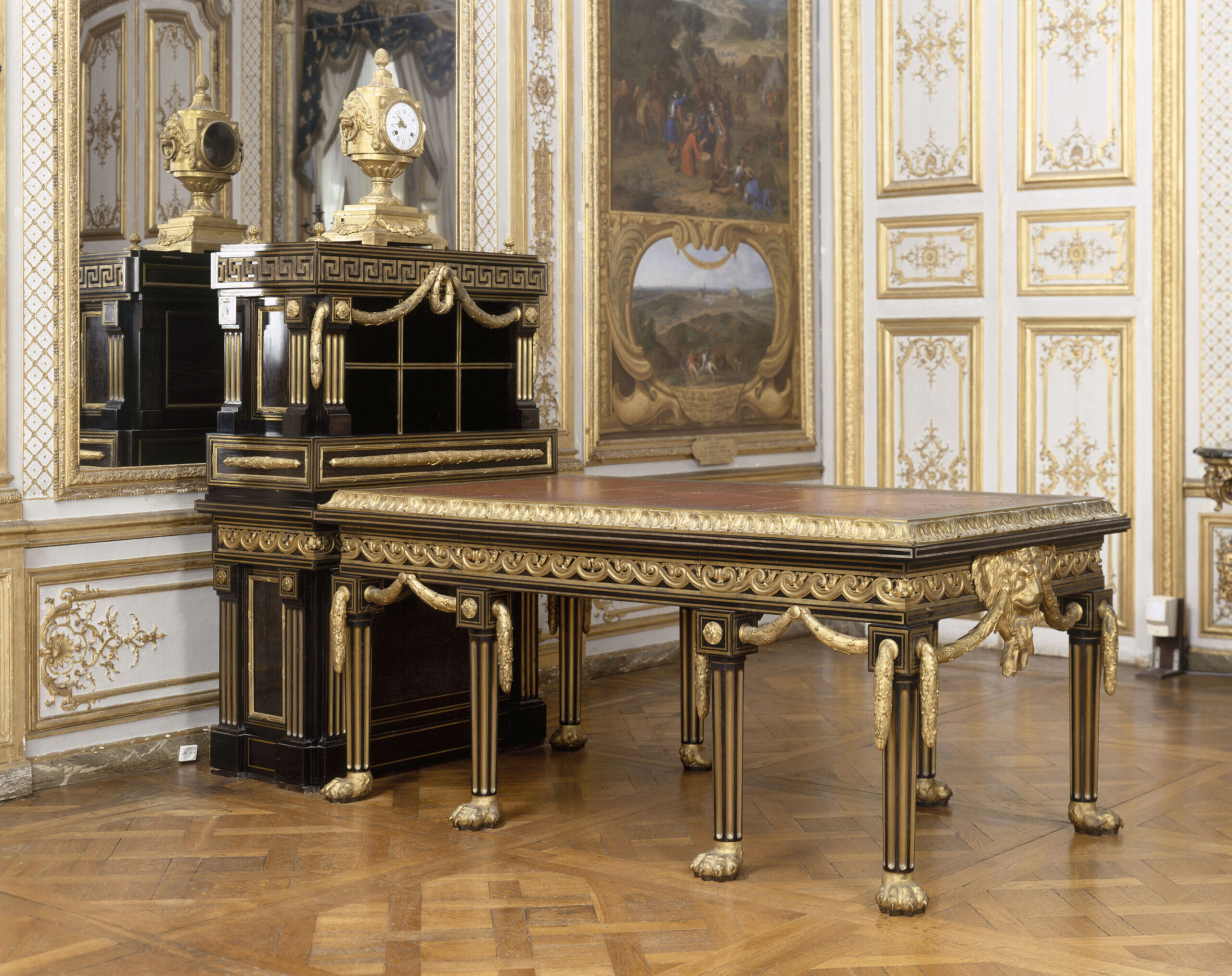
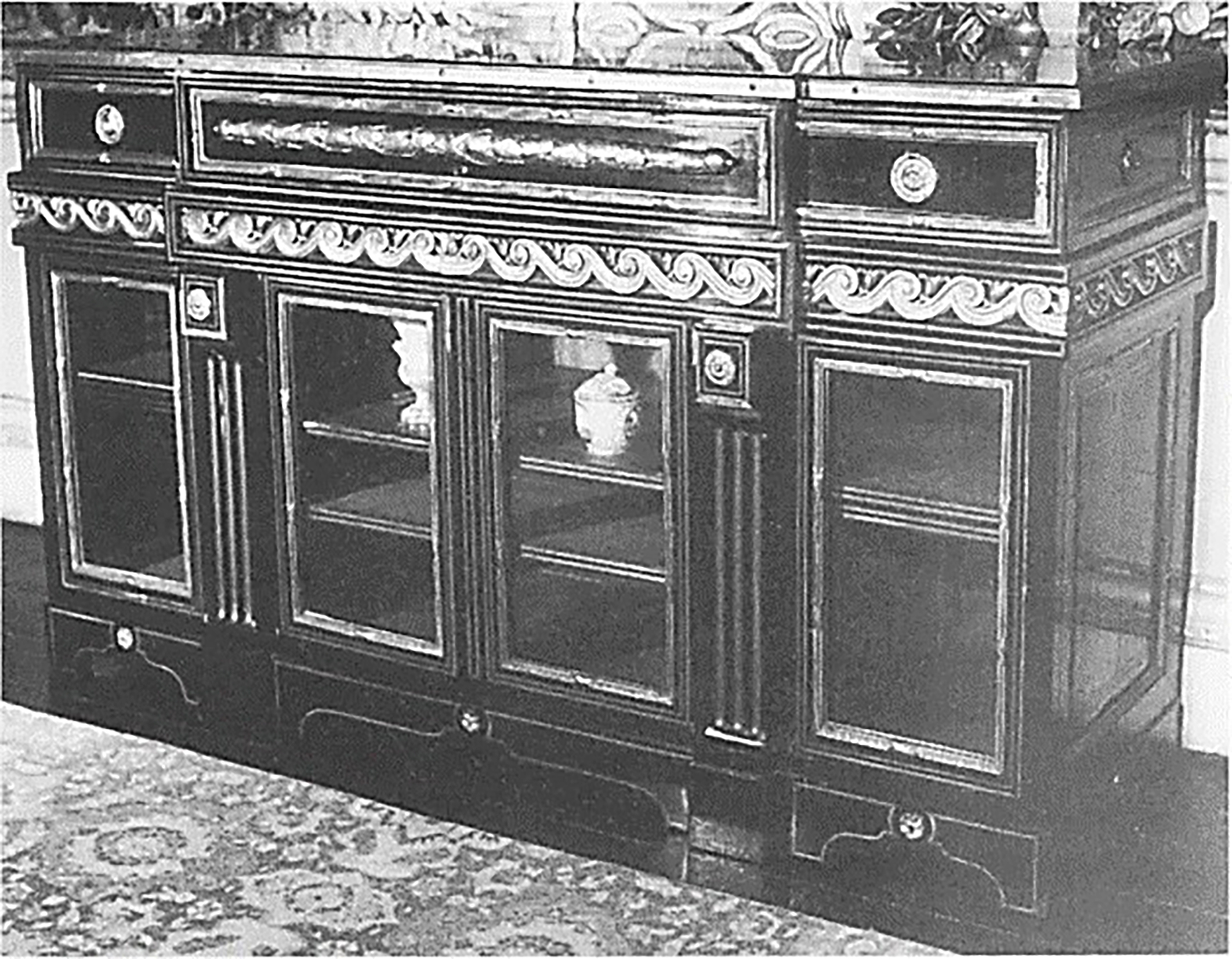
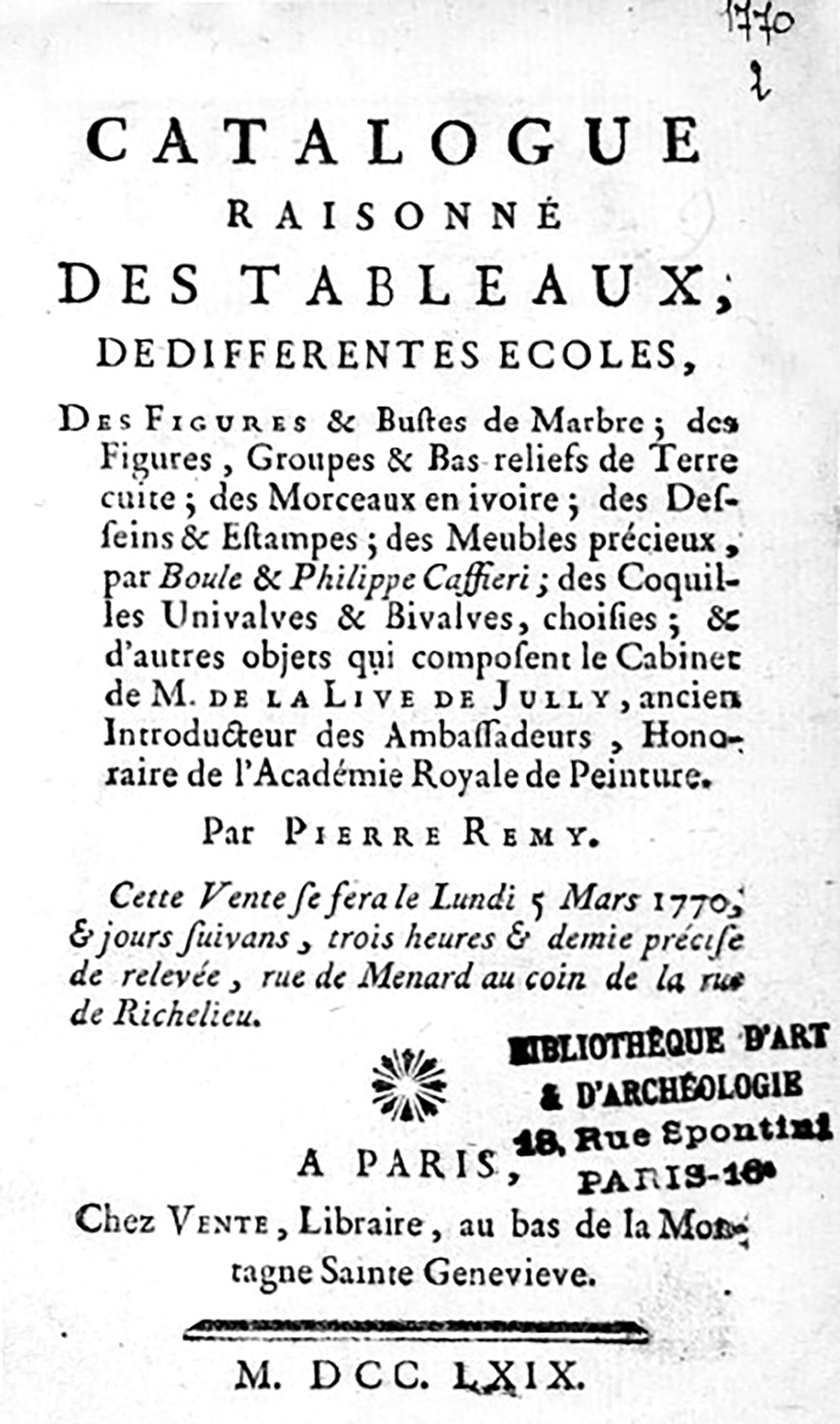
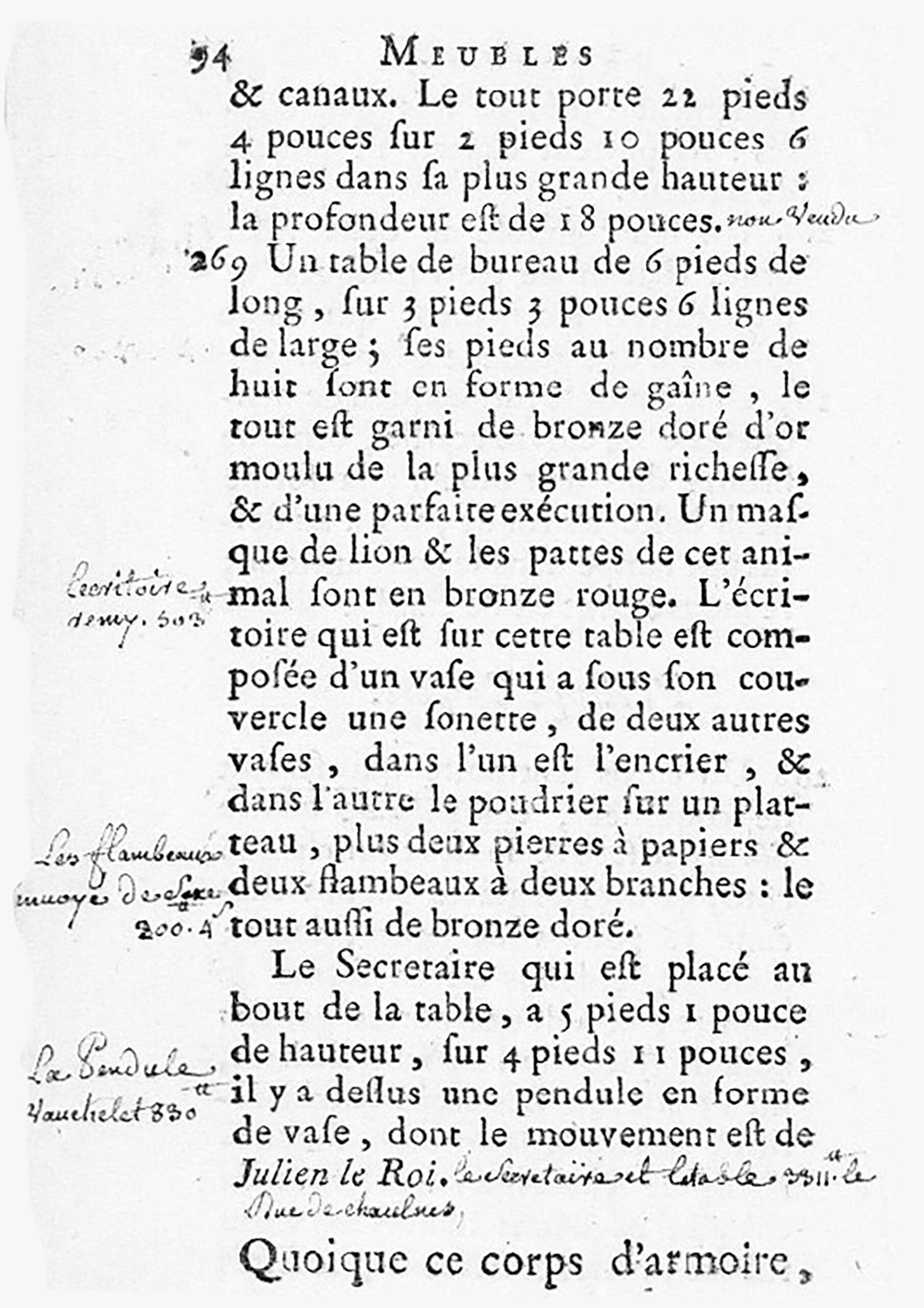
PROVENANCE: executed in Paris circa 1758-1762, en suite of a large bureau plat (flat desk), its cartonnier (file-case) and its clock, now kept at the château de Chantilly (inv. OA 357), of three other ‘coquilliers’, for the cabinet of Ange-Laurent de Lalive de Jully (1725-1779), in his private mansion, located at what is now n°. 366 rue Saint-Honoré, near the Place Vendôme in Paris; transferred around 1764 to the new private mansion acquired by Lalive de Jully at 4-6 rue de Ménars, Paris, where it is mentioned by the latter; Catalogue raisonné des tableaux de différentes écoles, des figures & bustes de marbre, des figures, groupes & bas-reliefs de terre cuite, des morceaux en ivoire, des desseins & estampes, des meubles précieux par Boule & Philippe Cassieri, des coquilles univalves & bivalves, choisies, & d’autres objets qui composent le cabinet de M. de Lalive de Jully, ancien Introducteur des ambassadeurs, honoraire de l’Académie Royale de Peinture, par Pierre Remy, cette vente se fera le lundi 5 mars 1770, & jours suivans, trois heures & demie précise de relevée, rue de Menard au coin de la rue de Richelieu, p. 93-94, lot n°. 288 ( unsold); acquired at the same time as the hôtel on rue de Ménars by Jacques-Philippe de Choiseul-Stainville (1727-1789), Marshal of France and brother of Étienne-François, Duke of Choiseul-Stainville (1719-1785), minister of Louis XV; transferred circa 1785 to the Marshal’s new private mansion on rue d’Artois, Paris, where it remained until its auction on 23rd November 1789; Catalogue de tableaux des écoles hollandaise, flamande et française, peintures en émail, par le célèbre Petitot, figures de marbre, vases de porcelaine, lanternes montées en bronze, meubles divers, riche boucles, boutons de col, chaînes & bagues en diamans, boîtes précieuses montées en or, épée à garde d’or, lunettes de longue vue, différens bijoux & autres ojets curieux, qui composaient le cabinet de feu M. le Maréchal de Choiseul Stainville, par J. Folliot & F. Delalande, dont la vente commencera le lundi 23 novembre 1789, trois heures de relevée, en son hôtel, rue d’Artois, chaussée d’Antin, p. 30, lot nº. 78 ( 560 livres); Seligmann collection, Paris in the 1920s; sold by Seligmann to Sir Philip Sassoon (1888-1939); collection of Sir Philip Sassoon, Bt, 25 Park Lane, London; inventoried twice in the library before 1927 and in 1939; thence by inheritance, collection of his sister, Sybil Rachel Betty(1894-1989), née Sassoon, Marchioness of Cholmondeley, at Houghton Hall, Norfolk; sale of Works of Art from Houghton Hall, Christie’s London, 8th December 1994, lot n°. 80; acquired at the auction by Ann and Gordon Getty; The Ann & Gordon Getty Collection, Christie’s auction in New York, 22nd October 2022, lot n°. 28; acquired at the auction by Galerie Steinitz in Paris.
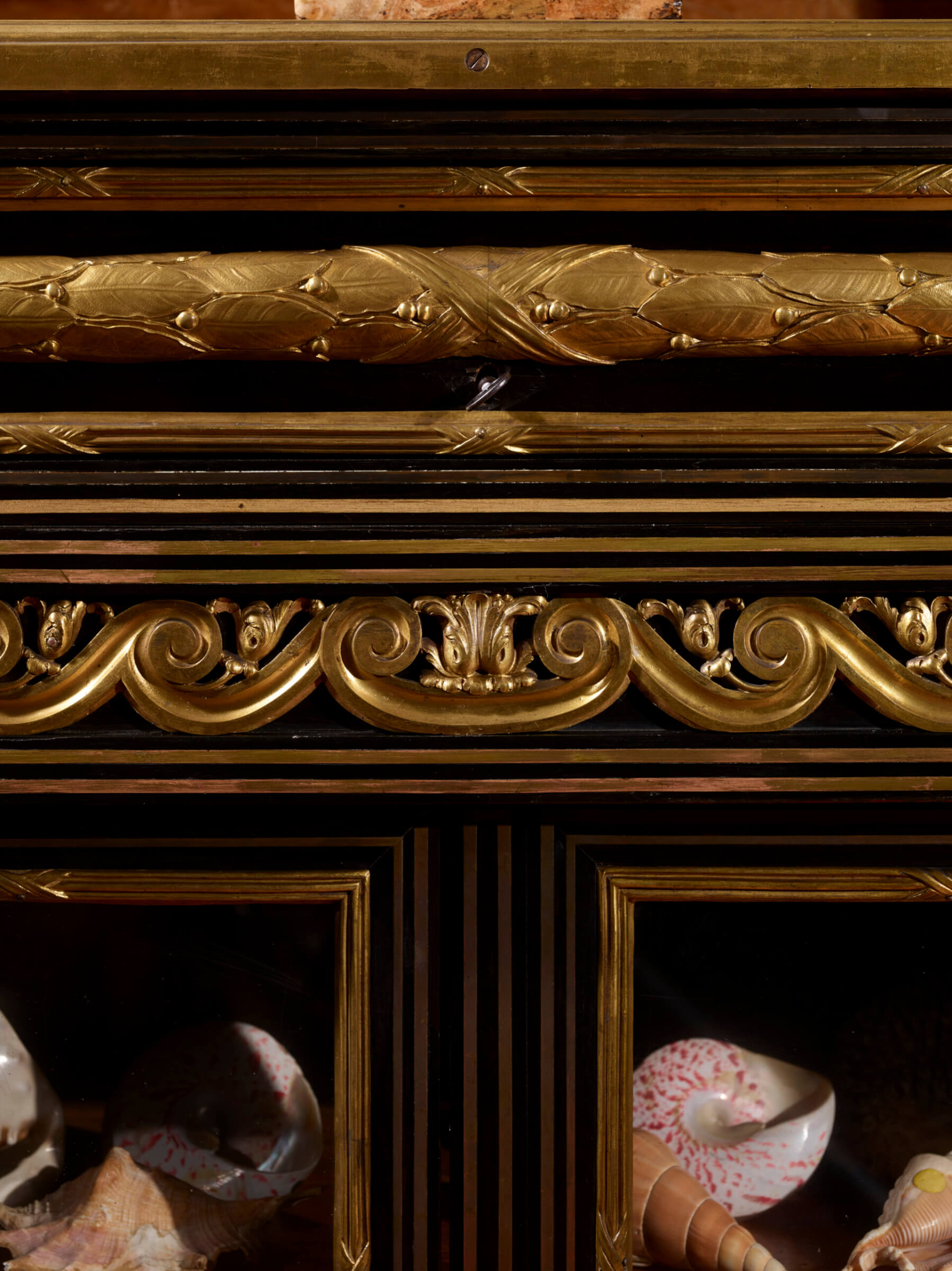
EXHIBITIONS: Three French Reigns (Louis XIV, XV, & XVI), Loan Exhibition in Aid of the Royal Northern Hospital at 25 Park Lane, London, from 21st February to 5th April 1933, cat. n°. 541 of the exhibition (repr. in the catalogue in the Large Drawing Room, p. 75, fig. 65); Portrait of an English Country House: Houghton Hall, Houston, The Museum of Fine Arts, 21st June to 20th September 2014, San Francisco, Legion of Honor, 18th October 2014 to 18th January 2015, Nashville, Frist Art Museum, 13th February to 10th May 2015; Aux sources du Néoclassicisme : l’incroyable mobilier de monsieur Lalive de Jully, Château de Chantilly, Musée Condé, from 2nd March to 29th April 2024 (for the first time since the 1770 auction, the “coquillier” presented here and the bureau-cartonnier from the Duke d’Aumale’s collections in Chantilly have been gathered together again).
LITERATURE: Ange-Laurent de Lalive de Jully, Catalogue historique du cabinet de peinture et sculpture françoise de M. de Lalive, Introducteur des ambassadeurs, honoraire de l’Académie Royale de Peinture, Paris, 1764, p. 110-111; Svend Eriksen, “Lalive de Jully’s Furniture ‘à la grecque’”, The Burlington Magazine, Vol. 103, N°. 701, August 1961, p. 338, 340-345, and 347; Svend Eriksen, Early Neoclassicism in France, Londres, 1974, p. 114-116, 195-197, 311-312, fig. 85-89; Simon Jervis, “Two Unknown Suites of Early Neo-Classical Designs”, The Burlington Magazine, Vol. 126, N°. 975, June 1984, p. 342-347; Hugh Roberts, “A Postscript to Lalive de Jully’s Furniture a la grecque”, The Burlington Magazine, Vol. 131, N°. 1034, May 1989, p. 350-353, fig. 42 and 43; Alexandre Pradère, Un grand amateur à l’époque des Lumières, Ange Laurent de La Live de Jully, 1725-1779 (Marie-Laure de Rochebrune, ed.), Paris, 2024.
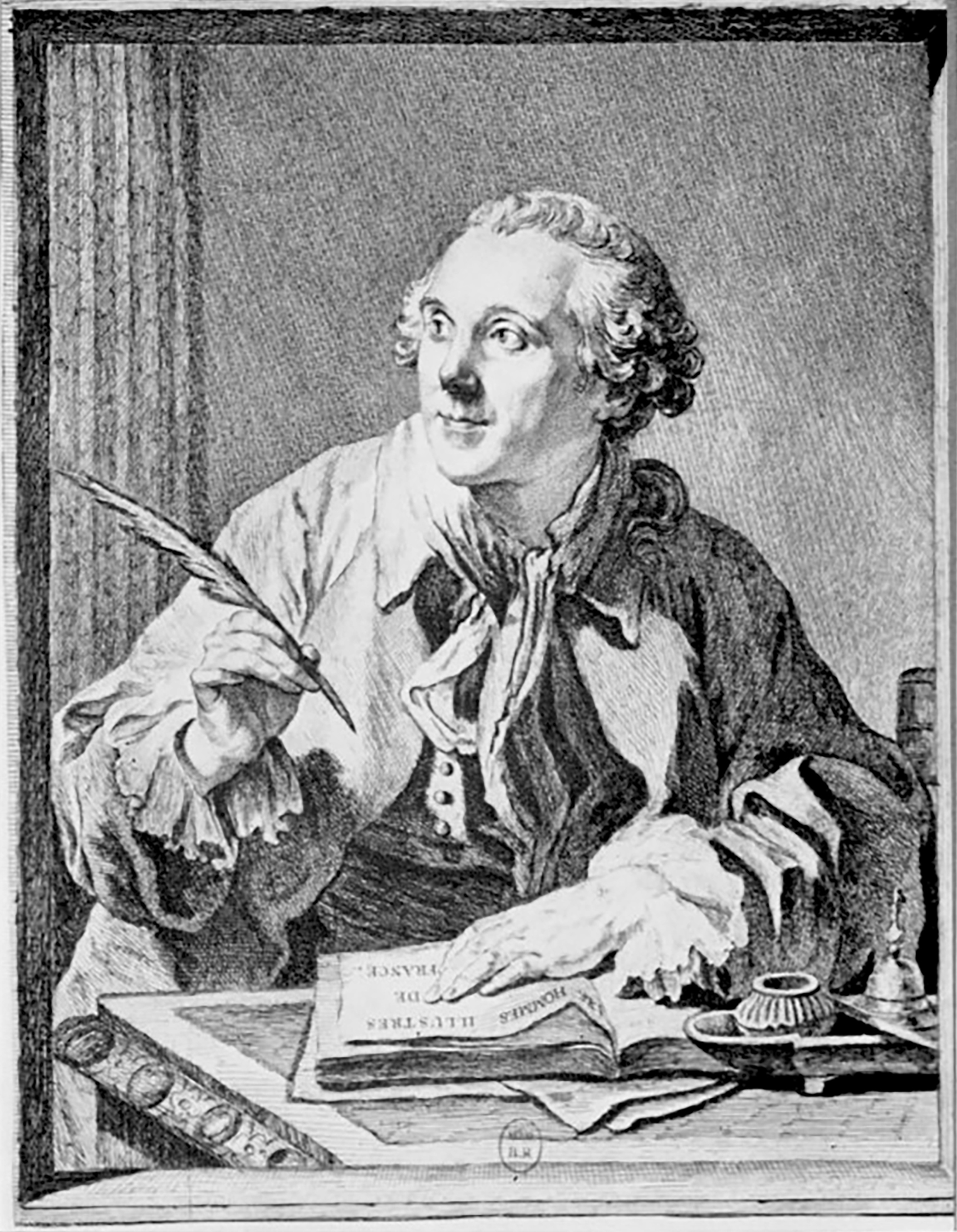
The meubles coquilliers of Lalive de Jully, circa 1758-1762
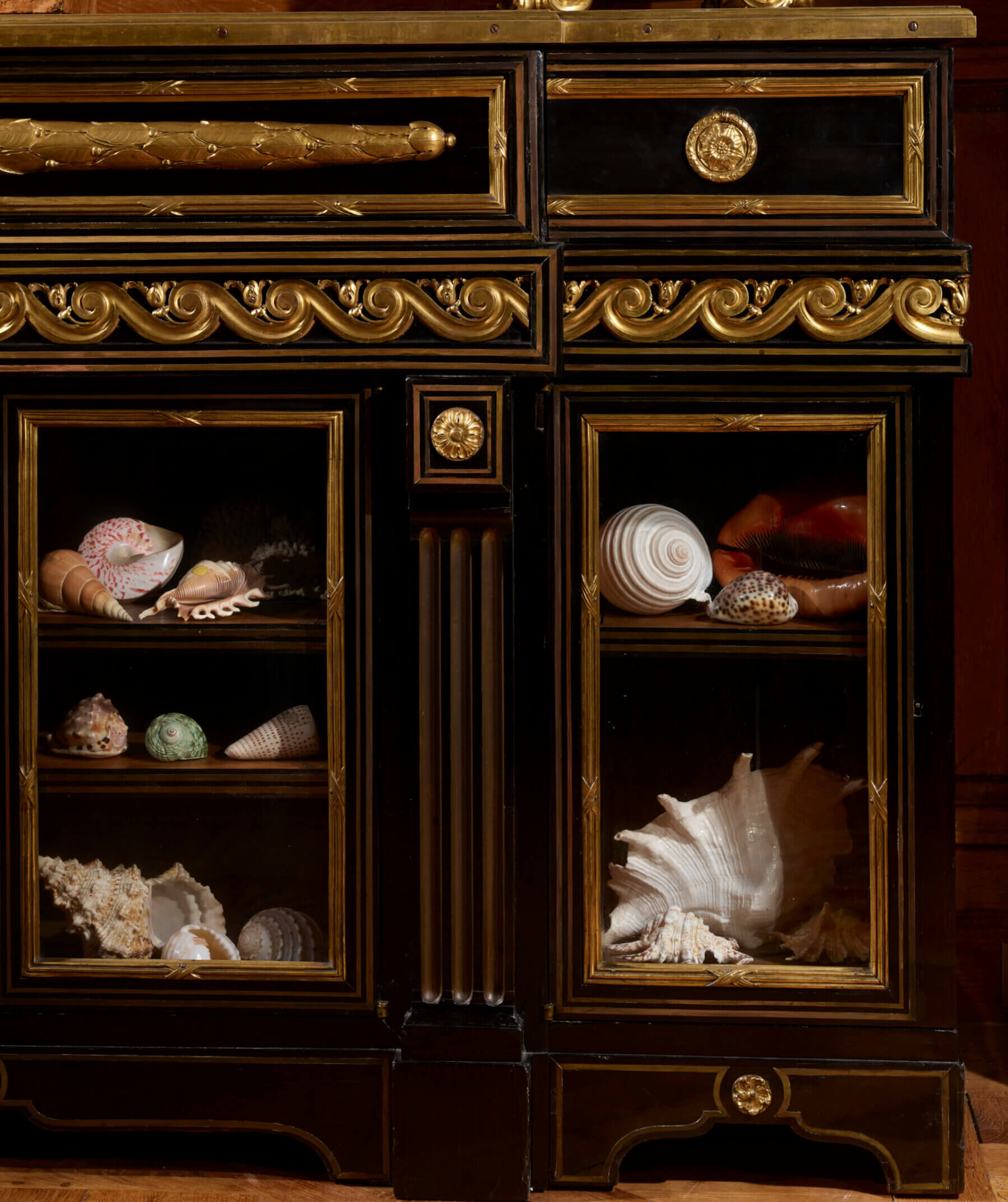
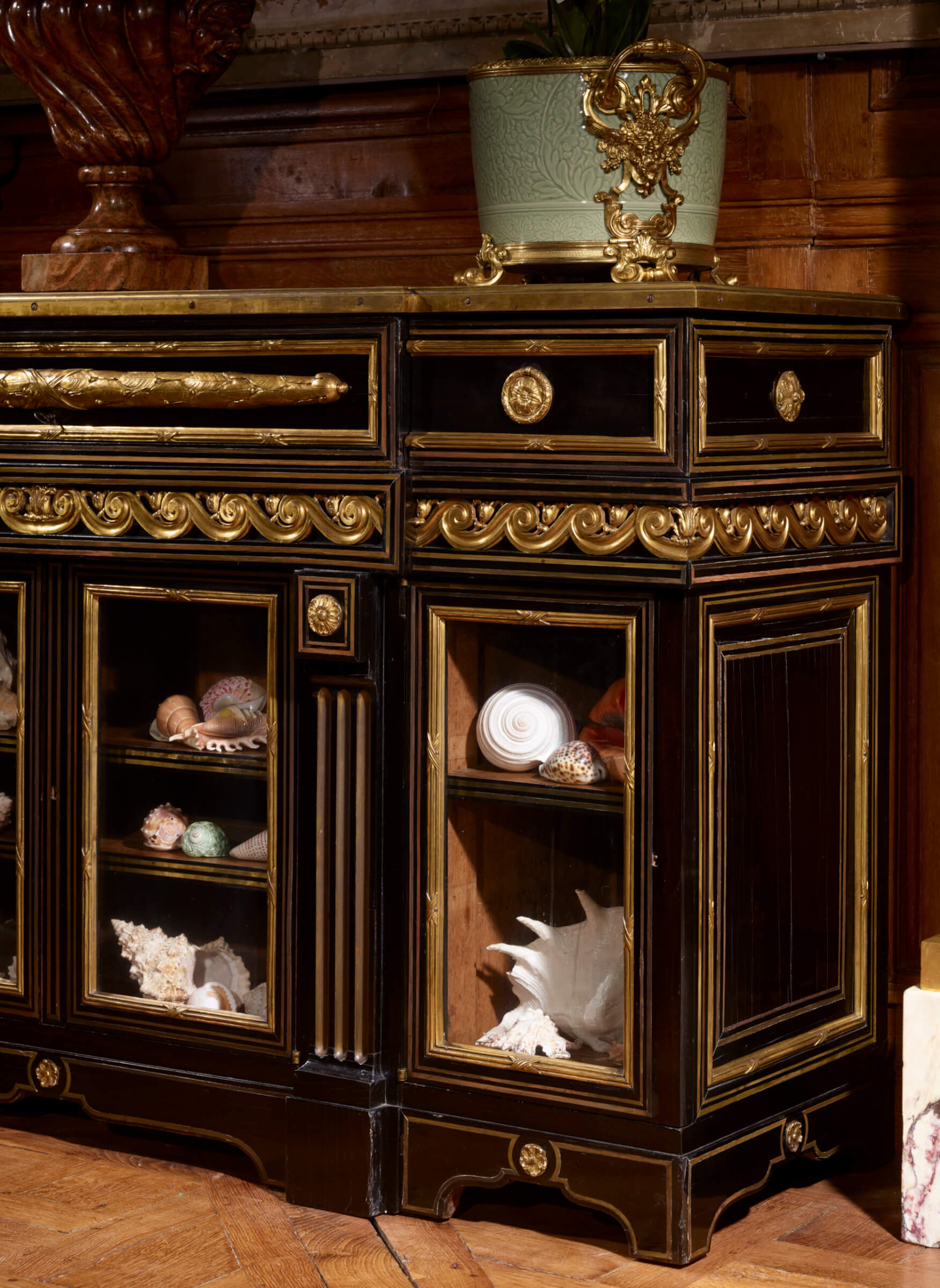
Not only had Lalive de Jully begun to assemble a cabinet of paintings and a collection of sculptures from the French school, but in the late 1750s he had also decided to gather together a collection of shells. An ensemble of ebony furniture was commissioned to that effect from the bronzesmith Philippe Caffieri, assisted by the cabinetmaker Joseph Baumhauer, comprising a large desk (now in the Château of Chantilly) and four meubles-vitrines (display cabinets), including the coquillier shown here. After Svend Eriksen identified the desk, two of the four surrounding corps d’armoire were identified: one of them, shown here, was formerly to be found in the Sassoon collection and then at Houghton Hall; the second (duplicated), formerly in the possession of Emilio Terry at the château of Rochecotte.
The history of these pieces of furniture in the 18th century:
The first mention of this set of furniture can be found in the booklet that Lalive devoted to his collection in 1764. He indicated in it that it was in the cabinet flamand (Flemish cabinet) of his private mansion in the rue de Ménars, the room in which he had hung the foreign paintings of his collection, which were almost all from the Northern schools. In passing, he emphasised the modernity of this furniture ‘à la grecque’: “I have gathered together all the foreign paintings in a single cabinet at the end of the apartment. This cabinet is adorned with furniture composed in the antique style or, to use a word that is so much used and abused at present, in the Greek taste; it is indeed since the execution of this cabinet that there has been a spread of the taste for works in the Greek style that is now ridiculously displayed for everything […] the decoration of this cabinet was composed, designed & carried out by M. Barros [Barreau de Chefdeville] architect… The furniture was executed to the designs of Le Lorrain, painter to the Academy […].”
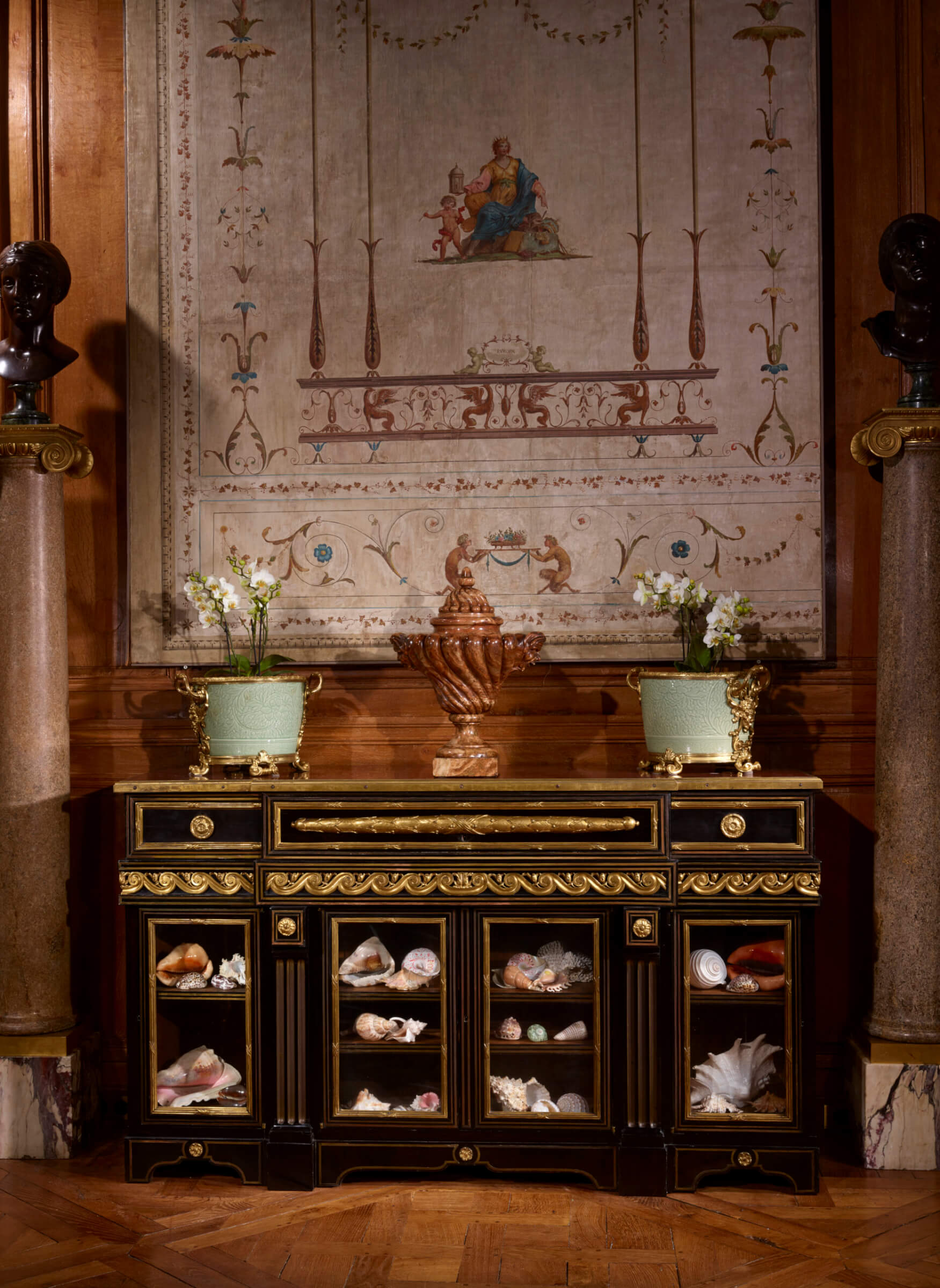
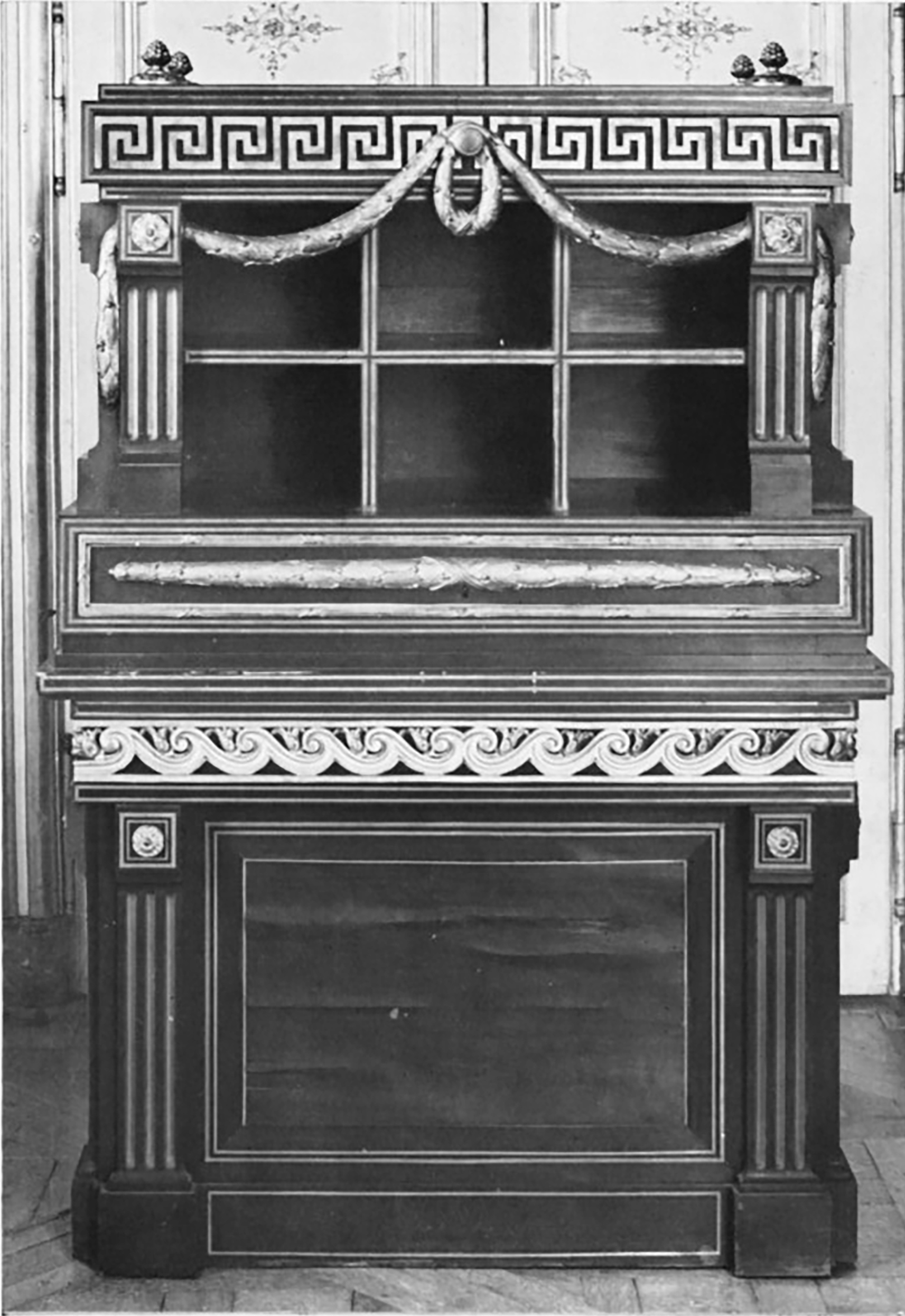
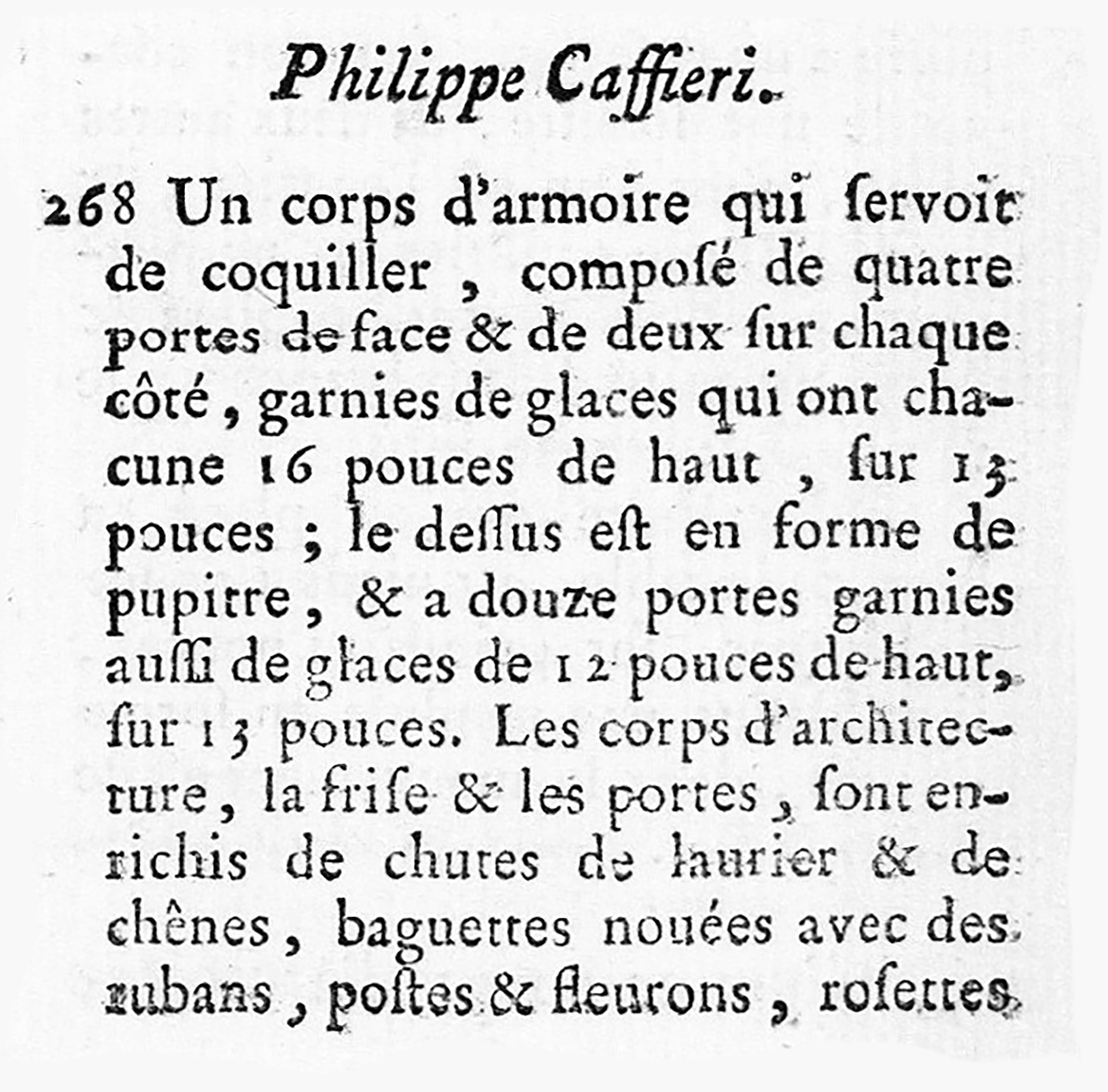
After this brief mention, it took another six years before a proper description could be found in Lalive’s 1770 auction catalogue. However, while the Chantilly desk and serre-papier (file cabinet) can be easily identified under lot n°. 269, the confused description of the large coquillier and its dimensions makes it difficult to understand and relate to the extant elements: “268. A corps d’armoireused as a coquillier, consisting of four doors on the front & two on each side, each fitted with glazed panels 16 inches high by 13 inches wide. [43 x 35 cm.]; the top is in the shape of a desk & has twelve doors also fitted with glazed panels 12 inches high by 13 inches wide [32.4 x 35 cm.]. The architectural elements, frieze & doors are enriched with laurel & oak pendants, baguettes tied with ribbons, posts & fleurons, rosettes & flutings. The whole measures 22 feet 4 inches by 2 feet 10 inches and 6 lignesin its greatest height, with a depth of 18 inches. [7m25 x 93.2 x 48.6 cm.]… This beautiful piece is by Philippe Caffiéri, that most famous of artists. He left no stone unturned in terms of solidity, richness and perfection of execution”.
The coquillier, which went unsold at the session on 8th May, was presented again on 14th May. It was withdrawn a second time round and sold by mutual agreement to the Marshal of Choiseul Stainville (1727-1787), the minister’s brother, who had just purchased the townhouse on rue de Ménars from the Lalive couple. He remained there until 1785, at which time he moved to the corner of the rue d’Artois and the boulevard. The Marshal of Stainville transferred his furniture to his new home, including the large coquillier, which was placed in the paintings cabinet on the 1st floor. In 1789, the Marshal’s inventory clearly stated that the large coquillier consisted of four bas d’armoires (low cupboards) and two corner pieces: “four bas d’armoires and two encoignures (corner cupboards) suitable for holding natural history objects, all veneered in ebony and richly adorned with friezes and other ormolu elements, the doors with glazed panels numbering 26[Valued at] 720 L[ivres]”.
The same year, the auction catalogue described them in more detail under lot n°. 78: “78. Four-part bas d’armoirewith pilasters and front opening with twelve doors fitted with glazed panels, the top with the same number of panels also of glass, forming a cage suitable for displaying natural history objects; they are veneered in ebony with frames, fillets, laurel garlands, rosettes & friezes in gilded bronze. Height 34 inches, depth 18, total length 22 feet. [H. 91.8 x L. 7m20 x W. 48.6 cm.]… 560L[ivres]. ».
The length of 7.20 m ought to be compared with that of the existing units, the four together totalling in principle 6.50 m (1.62 m x 4), the difference of 70 cm perhaps corresponding to the two corner elements mentioned in 1789. Be that as it may, the fact remains that the surviving pieces of furniture have no glazed desks and each have four doors—and that two of them (at least) display the same construction in three separate parts indicating that the items, originally fitted with two doors each, 90 cm wide, were enlarged so as to form pieces with four doors 1.60 m wide. Examination of the carcass of the coquillier shown here indicates that these enlargements were made at the same time as (or a few years after) the execution of the furniture, the alteration being attributable, as shall be seen later, to Lalive’s moving in 1762 to the rue de Ménars and the installation of the cabinet flamand in a larger room than the previous cabinet in the family mansion in the rue Saint-Honoré.
From the rue Saint-Honoré to the rue de Ménars, the alterations of the ‘cabinet flamand’:
At the time when these coquilliers were designed, in 1758, Lalive was in effect living in his family’s mansion, now n°. 366, rue Saint-Honoré, and occupying the apartment on the second floor. The collection was displayed in the main part of the house looking out onto the street. Dezallier d’Argenville’s 1757 guide, supplemented by an inventory of the premises at the time of Lalive’s elder brother’s death, provides helpful insight into the topography of the place. Once past the first anteroom, one entered the grand salon where the French paintings—twenty-four of them—hung above a large Boulle bookcase purchased from Lazare Duvaux in 1756. The other paintings are described by Dezallier in two smaller cabinets and the Flemish paintings in a back room overlooking the courtyard. That room, which was of average size and fitted with numerous openings (two windows and four doors), could not possibly allow the desk as well as the four meubles-coquilliers to be displayed with their current dimensions. It is therefore likely that these pieces of furniture were designed around 1758 for the rue Saint-Honoré in a narrower format (with two doors) and had to be enlarged three years later for the subsequent installation.
In anticipation of his remarriage in August 1762, Lalive had purchased a large hôtel in the rue de Ménars in June, a place where he was able to install his collections in seven cabinets at will, occupying the entire ground floor of the house that stretched between the courtyard and the garden. The layout of the premises can be fully grasped from Lalive’s description in his 1764 booklet, as well as from the cadastral plan and an inventory of the premises drawn up in 1785. The cabinet flamand had been installed in the last room of the series of salons on the garden side, which could be accessed from the large salon where Lalive had placed his best paintings of the French school above a large Boulle bookcase that extended on three sides. The Flemish cabinet was adorned with gilded panelling forming two Corinthian porticoes around the mantelpiece and on the panel opposite. At the back of the room, which was approximately 6 metres in width, the large coquillier could be arranged around the desk, with extensions on either side. The Flemish paintings were hung on top of the three fabric-covered panels. The arrangement of this ebony furniture with its massive gilt-bronze ornaments, under panels of fabric covered with paintings, echoed that of the preceding salon, and the meuble coquillier was clearly inspired by the large bookcase by Boulle.
The first projects of Jean-Joseph Le Lorrain:
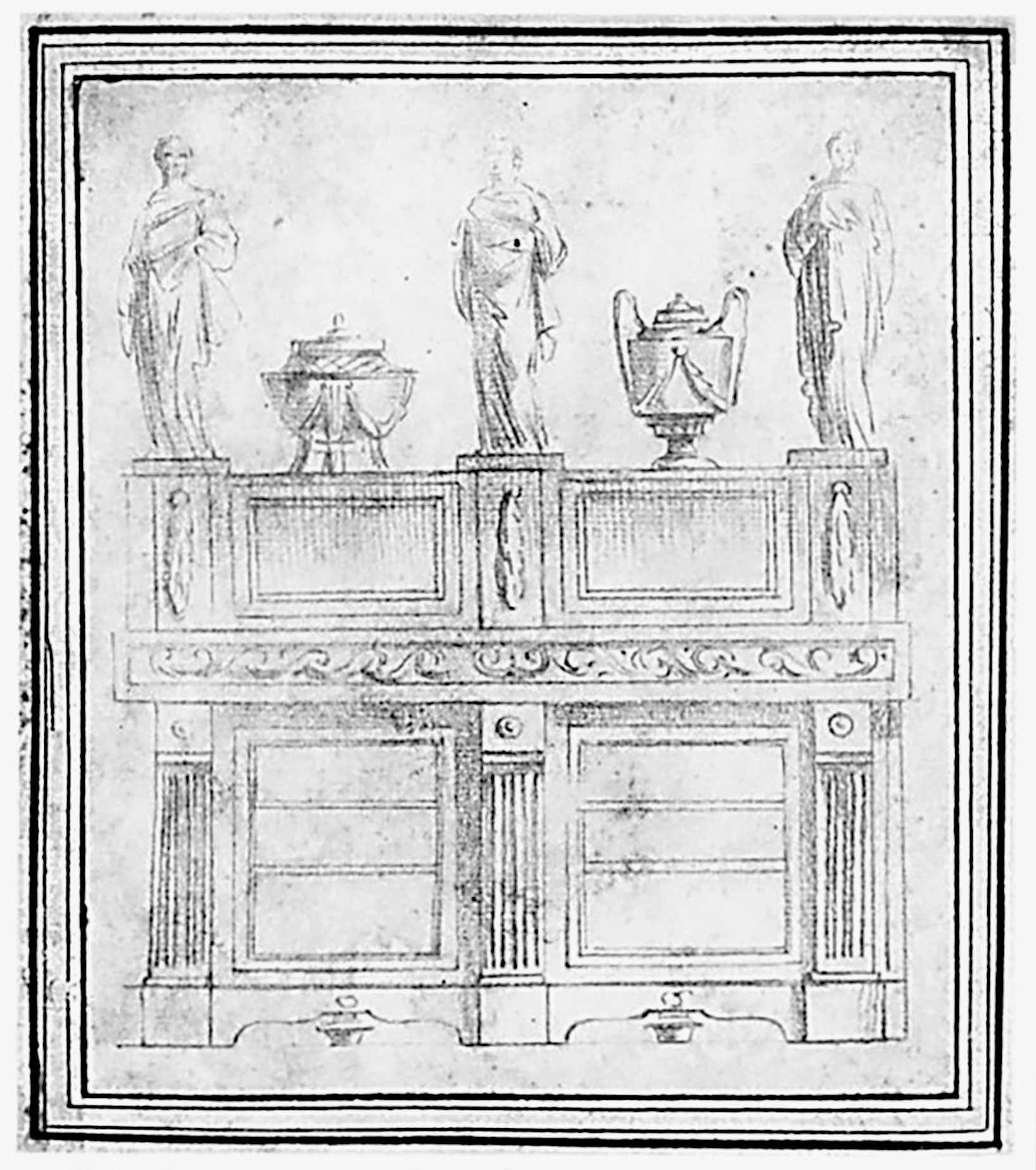
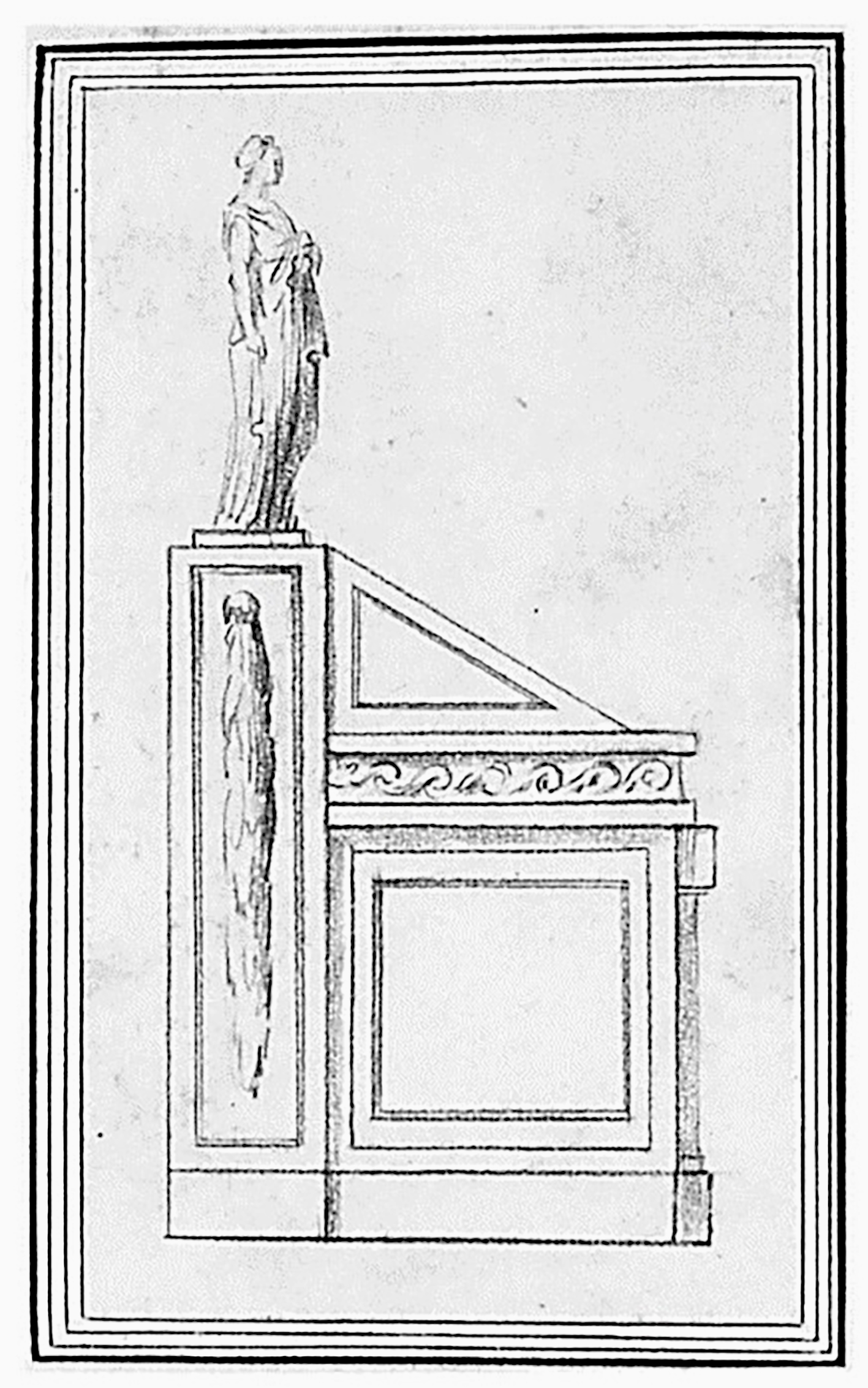
A further clue confirms that the meubles coquilliers were originally intended to be fitted with two doors. A series of drawings preserved in the Boulton archives in Great Tew, England, have been identified as copies of Le Lorrain’s first projects for Lalive’s furniture which were executed by a draughtsman who went by the name of Houdan. These include two drawings representing one of the coquilliers, seen from the front and in profile. On the front elevation can be seen a drawing of the plinth with a central foot, a copy of the large bookcase by Boulle that Lalive had placed in the adjoining salon. Also included are the glazed desks mentioned in the 1770 auction. However, the depth of the furniture suggested by the profile drawing does not match the descriptions, nor do the pilasters at the back supporting vases and statuettes, as the 1764 guide does not mention any statues on these pieces of furniture.
The dating of Lalive’s Greek-style furniture:
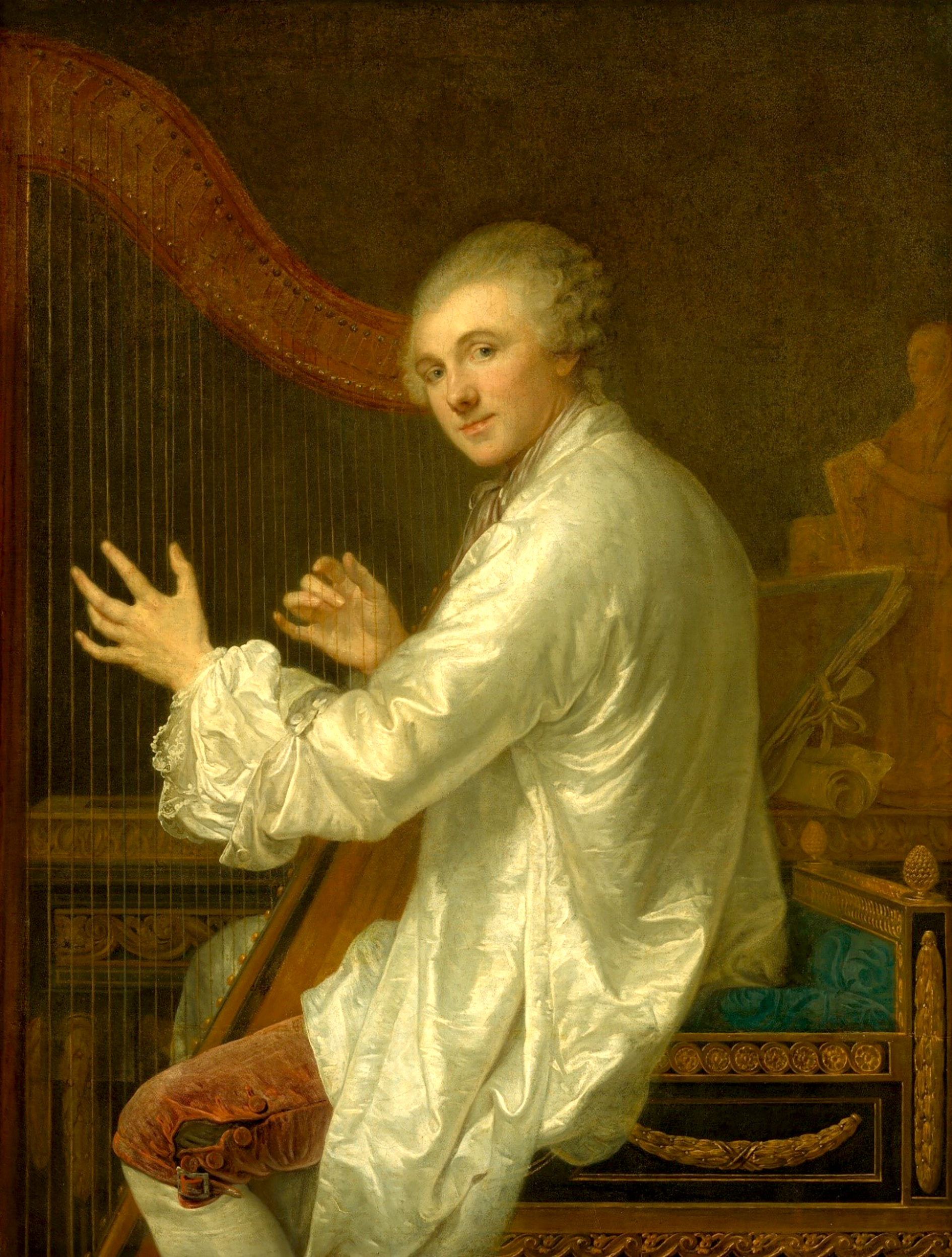
Svend Eriksen stressed the crucial importance of this furniture in the history of styles. There is no doubt that this commission marks the first realisation of Neoclassical style in furniture, and it was hailed as such by contemporaries; however, the dating is probably not as remote as has been suggested. It is generally known that Jean-Joseph Le Lorrain (c.1714-1759) provided the preparatory drawings for these pieces of furniture before his departure for Russia in 1758, and that the desk (now in Chantilly) was completed in 1759, as it can be recognised in the portrait of Lalive by Greuze presented at the Salon that year; but it is doubtful that the coquillier was finished by that time. In 1757, in his 2nd edition of La Conchyliologie, Dezallier d’Argenville—himself a passionate collector of shells—made no mention whatsoever of Lalive’s collection, although he did mention all the Parisian and provincial shell cabinets. On the same note, the same Dezallier, in his Paris guide of the same year (1757), makes no mention of any ‘à la grecque’ furniture either, contenting himself with a brief description of Lalive’s collection of paintings in his family mansion in the rue Saint-Honoré, mentioning in passing the large Boulle bookcase purchased in 1756 from Lazare Duvaux. In point of actual fact, it seems that the shell collection was initiated in 1758, at the instigation of Lalive’s sister-in-law, Mme Lalive d’Epinay, whom Ange-Laurent had followed to Geneva in 1758-1759. Her correspondence shows that she frequented a scientific circle closely associated with her doctor, Théodore Tronchin, which included the Deluc brothers, physicists and geologists Jean-André (1727-1817) and Guillaume-Antoine (1729-1812) among others. It was to the latter that Mme d’Epinay wrote in 1758: “I have just purchased the rest of M. de Jalabert’s cabinet, everything relating to Switzerland for the Baron [d’Holbach] and everything relating to … natural shells for my brother [M. de Jully]”.
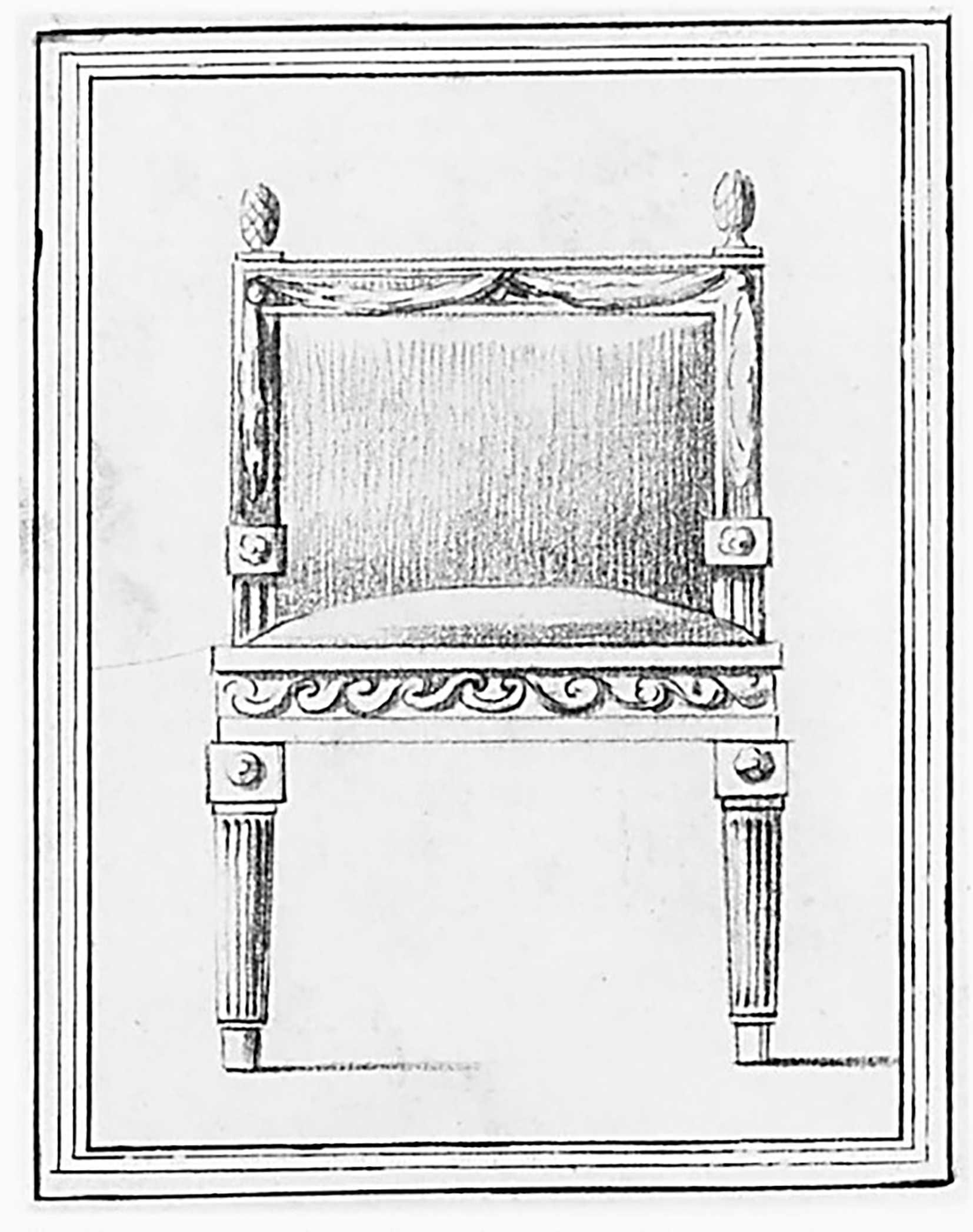
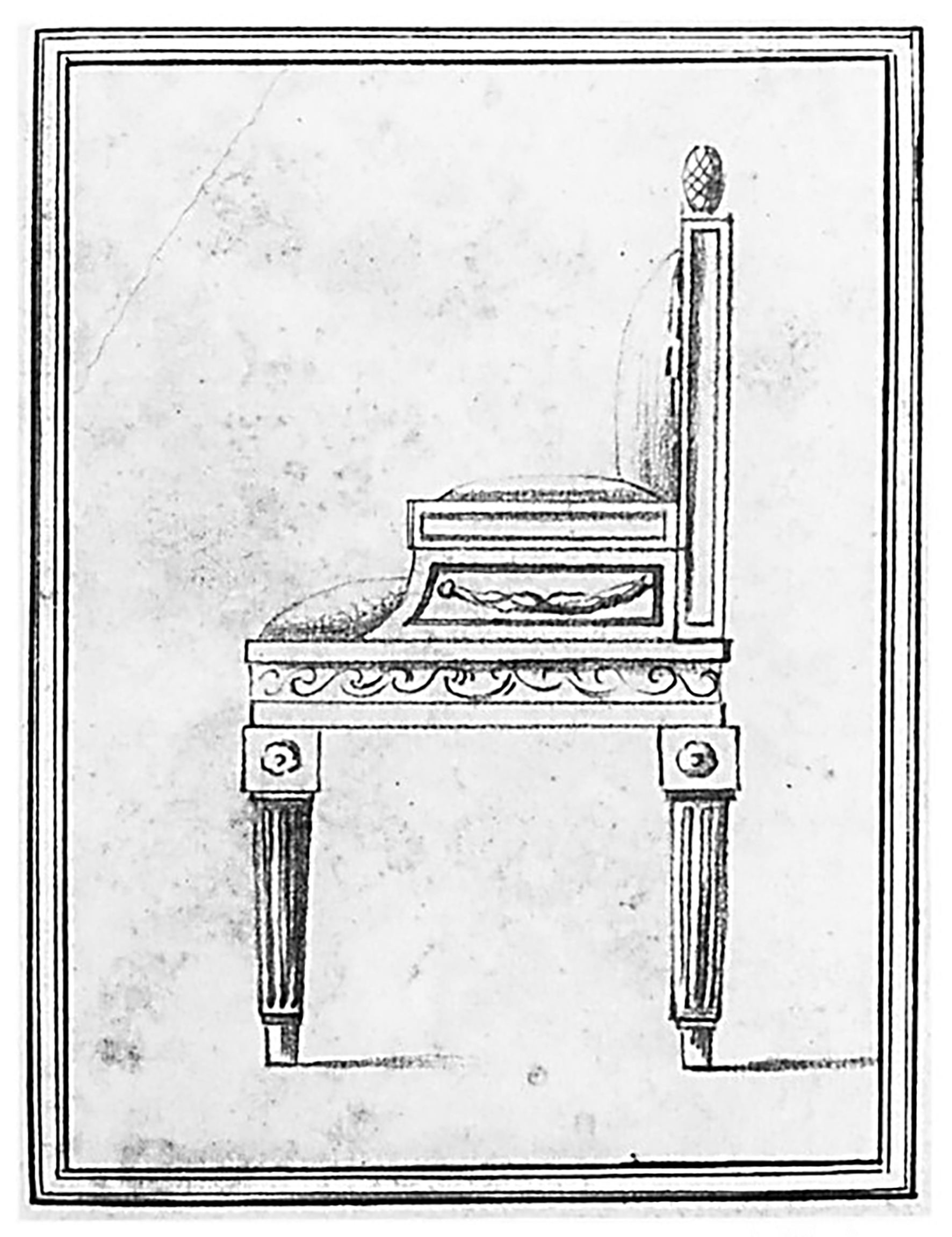
Face and profile elevations of the armchair of Lalive de Jully, copy attributed to J. Houdan of a project by Louis-Joseph Le Lorrain.
Boulton Archives, Great Tew, Oxfordshire.
The vogue for shell collections:
Dezallier’s major work on shells went through three editions, in 1742, 1757 and 1779 (the latter of which was continued by M. de Favanne de Moncervelle), thus testifying to the popularity of shell collections in the mid-eighteenth century. The second edition included a substantial chapter devoted to the “most famous natural history cabinets” of the time, which comprised, in addition to the King’s natural history gallery in the Jardin des Plantes, around twenty cabinets in Paris and as many in the provinces. The most famous were those of the Duke of Sully, the Duke of Chaulnes and his brother-in-law Joseph Bonnier de la Mosson, of Madame la présidente de Bandeville, in quai Malaquais, of Pajot d’Ozembray and of M Dubois-Jourdain. Between 1757 and 1780, the popularity of shells soared to new heights. The number of collectors had tripled, if we are to go by the 3rd edition, which listed more than sixty collections in Paris alone. The main collections at the time were those of the Count of the Tour d’Auvergne, M. de Nanteuil, fermier-général, and M. Bellanger, director of the ferme du tabac. The passion for shells was equally shared by great aristocrats such as the Duke of Bouillon, the Duke of Chevreuse and the Duke of La Rochefoucault, ministers such as M. de Boullogne, M. d’Angivilliers and the Marquis of Paulmy, and financiers such as Savalette de Buchelay as well as Boutin. Princes of the blood had their own natural science cabinets, such as the Duke of Orléans in the Palais Royal, the Prince of Condé in Chantilly and the Count of Eu in Sceaux.
The long descriptions of some of the cabinets enumerate shells with delectable names: “the pearled widow, the crown of Ethyopia, the Chinese roof of Cytherea, the nipple of Venus, the planer, the chariot of Venus, the harlequin, the grooved toad, the Swiss breeches, the butter tubs, the spider’s web, teeth and gums…”. The last edition of La Conchyliologie—in 1780—describes Lalive’s cabinet, which had been dispersed for about ten years, in the following manner: “The cabinet of the late Mr Lalive de Jully, Introducer of Ambassadors, contained, in addition to a large collection of paintings, drawings & prints, some superb shells. These comprised a rock of the ram species with seven legs or points, a precious piece, and many others, not to mention stones, ores, pebbles, plants & corals. There are also works of art to be found, several antique subjects & weapons of the savages”.
Presentation of the shells, the showcases and ‘parterres’ with coloured backgrounds:
With these natural science collections, particularly in the case of shells, aesthetic endeavours often took precedence over scientific considerations. It can be observed that shell collections were generally displayed in beautiful galleries with sculpted display cases, or in the form of “parterres” on top of flat desks placed in the middle of these natural history cabinets. At the residence of Mr Hénin, Maître des Comptes, the natural science cabinet was enclosed in a gallery surrounded by cupboards adorned with glass panes. “A large desk 7 feet long, placed in the middle of the gallery, presents a parterre of shells in a very pleasant compartment, the background of which is white and the cases covered with blue satin”. At the house of President de Rieux, “what concerned natural history consisted of a parterre of shells enclosed in a large desk occupying the entire middle of the cabinet”. As regards Bonnier de la Mosson, shells were presented in the same way, since “the last room [of his natural history cabinets] comprised a library […] a large table or desk in the middle served as a parterre for very beautiful shells arranged in compartments & as many as could be, arranged by types” Dezallier indicates that, in his house, animals, minerals, metals and crystals “are offered up to view in a new order, forming parterres”. Mr du Bois-Jourdain used to display his shells in a gallery, surrounded by minerals, jaspers or hard stones, fossils and madrepores, in six glass-paned cabinets facing the casement windows.
The gallery ended with a small cabinet “lined with small paintings of Florentine stone”. At Chantilly, the Duke of Bourbon displayed his natural history collections in two rooms at the entrance of the small château. The shells were “enclosed in fourteen drawers, divided into compartments lined with green taffeta, in which each piece is embedded with great art”.
In the 9th chapter entitled ‘De l’arrangement d’un cabinet d’histoire naturelle’, Dezallier expatiates on the topic at lenght: “Beautiful uniform cupboards reigning all around, with scabellons [pedestals] in the corners to support marble busts, would compose all the furniture of this apartment. Pilasters joined to gilded ornamental agrafes would enrich these cupboards for the better, which are fitted on the inside with shelves and glass doors to display nature’s treasures to the naked eye […] The arrangement of these shells requires here that some details be given. Naturalists arrange them in classes and families […] the curiously inclined, on the other hand, will devote everything to the mere pleasure of the eye, sacrificing methodical order so as to form a variety of compartments, as much in the shape of the shells as in their colours; Their enamel is charming & it is the fairest sight one could ever imagine. Some use them to form galleries, horseshoes and parterres. Others arrange them in the various drawers of a cupboard […] the parterres are arranged as follows: the top of a large desk is taken in its entire length and divided into several compartments forming a parterre in its own right. These partitions are made of wood or cardboard, which are covered in green satin or velvet edged with gold braid. These compartments are raised by 5 to 6 inches to accommodate the tallest shells without the slightest fear of breaking them. The bottom of these compartments or cases, lined with cotton, will prevent the shells from rolling on top of one another […] when the drawers of a cupboard are used, they are lined with green satin or velvet to prevent the shells from being rolled about. One will form there columns, suns, transverse lines & the like, always taking good care to oppose the most varied shapes and colours by dint of sheer symmetry”.
Alexandre Pradère

