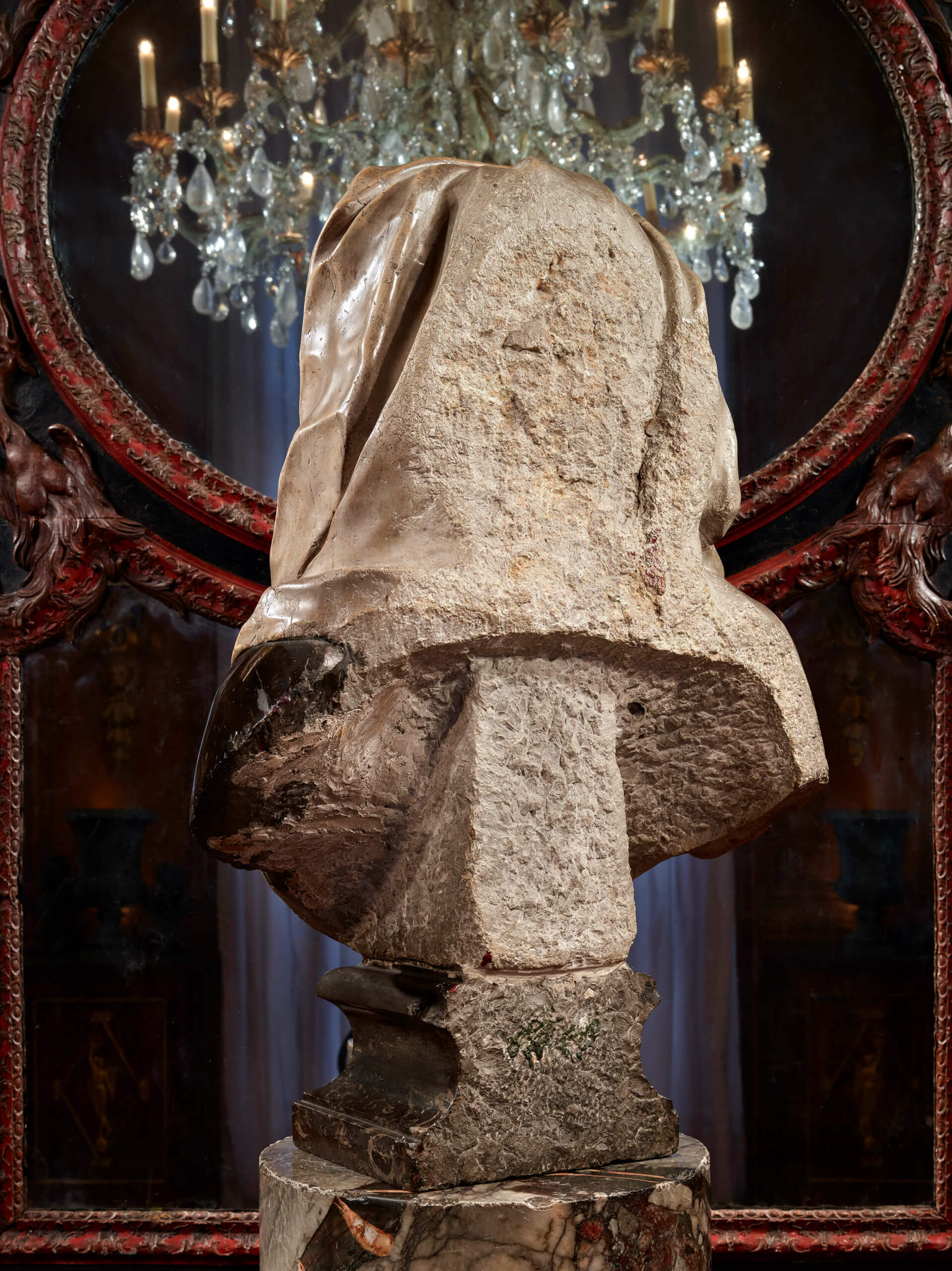
Paragone di Fiandra (bust); Rosso di Malcesine and white marbre (drape); Lumachella nera (base)
H. 78 cm. (30 ¾ in.).
PROVENANCE: private collection.
COMPARATIVE LITERATURE: Sylvia Pressouyre, Nicolas Cordier – recherches sur la sculpture à Rome autour de 1600, Rome, Ecole française, 1984, p. 413-415, cat. 21, ill. 190-198 ; Christian Theuerkauff, “Anmerkungen zu Melchior Barthel,” Zeitschrift des Deutschen Vereins fur Kunstwissen – Band XLI – Heft 1/4, Berlin, 1987, p. 71-117; Rosario Coppel Aréizaga, Museo del Prado – Catálogo de la Escultura de Época Moderna – Siglos XVI-XVIII, Madrid, 1998, cat. 26 ; Andrea Bacchi, La Scultura a Venezia da Sansovino a Canova, Milan, 2000, p. 692-694, ill. 226 ; Andrea Bacchi, ed., Scultura del ‘600 a Roma, Milan, 2000, p. 792-793, ill. 271; Paul H. D. Kaplan, “Italy, 1490-1700”, The Image of the Black in Western Art: From the “Age of Discovery” to the Age of Abolition: Artists to the Renaissance and Baroque, III, part I, Cambridge, Harvard University Press, 2010.
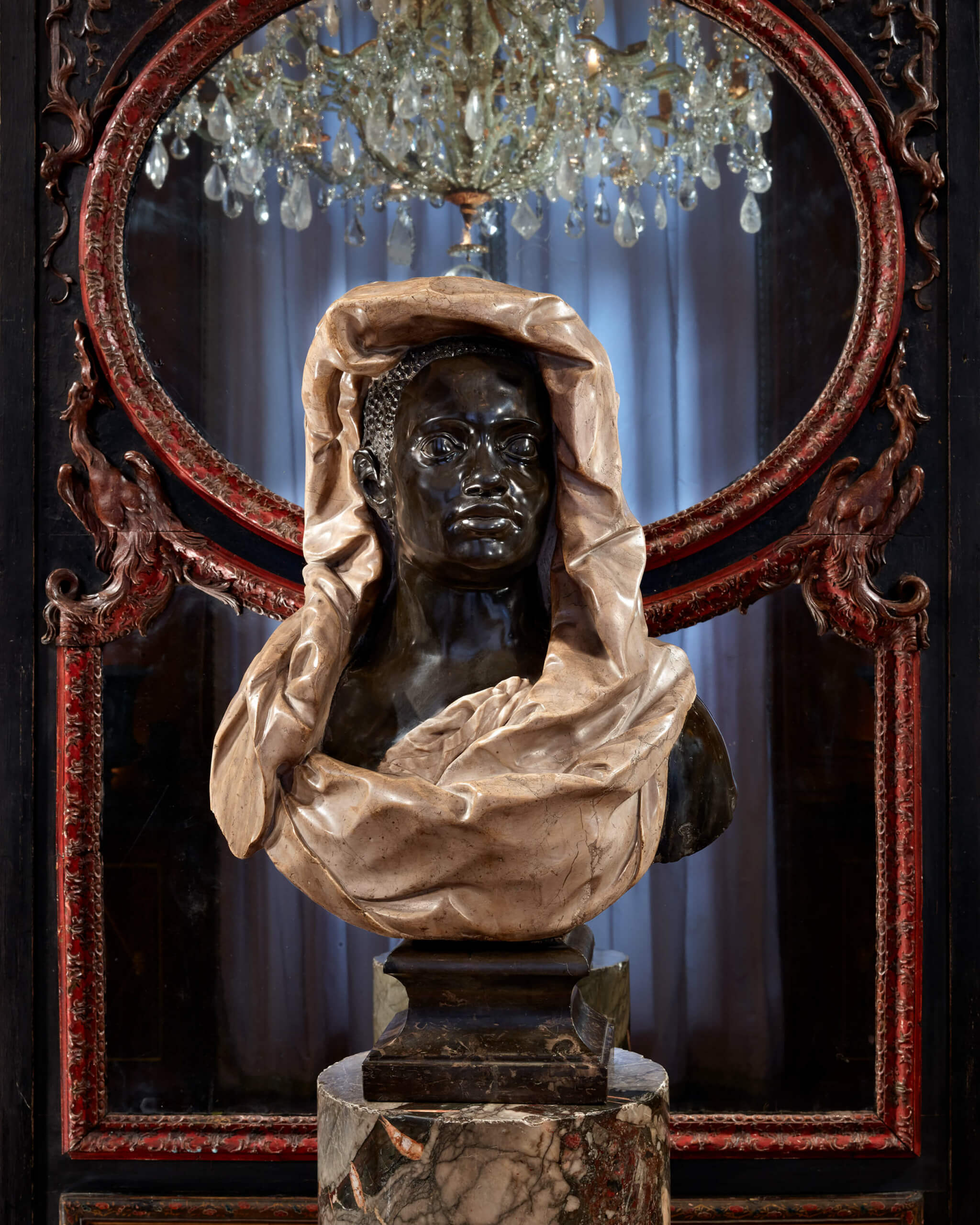
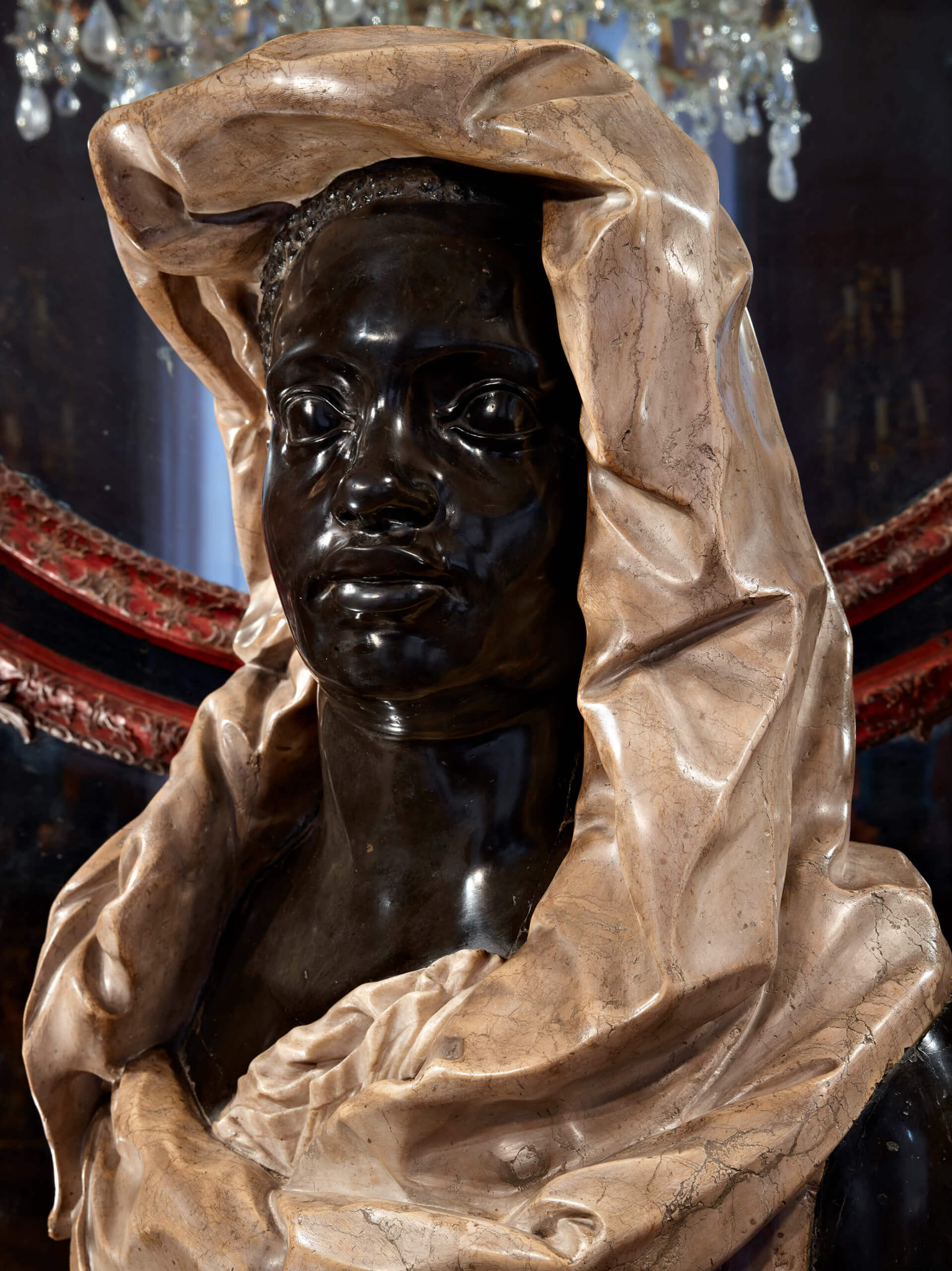
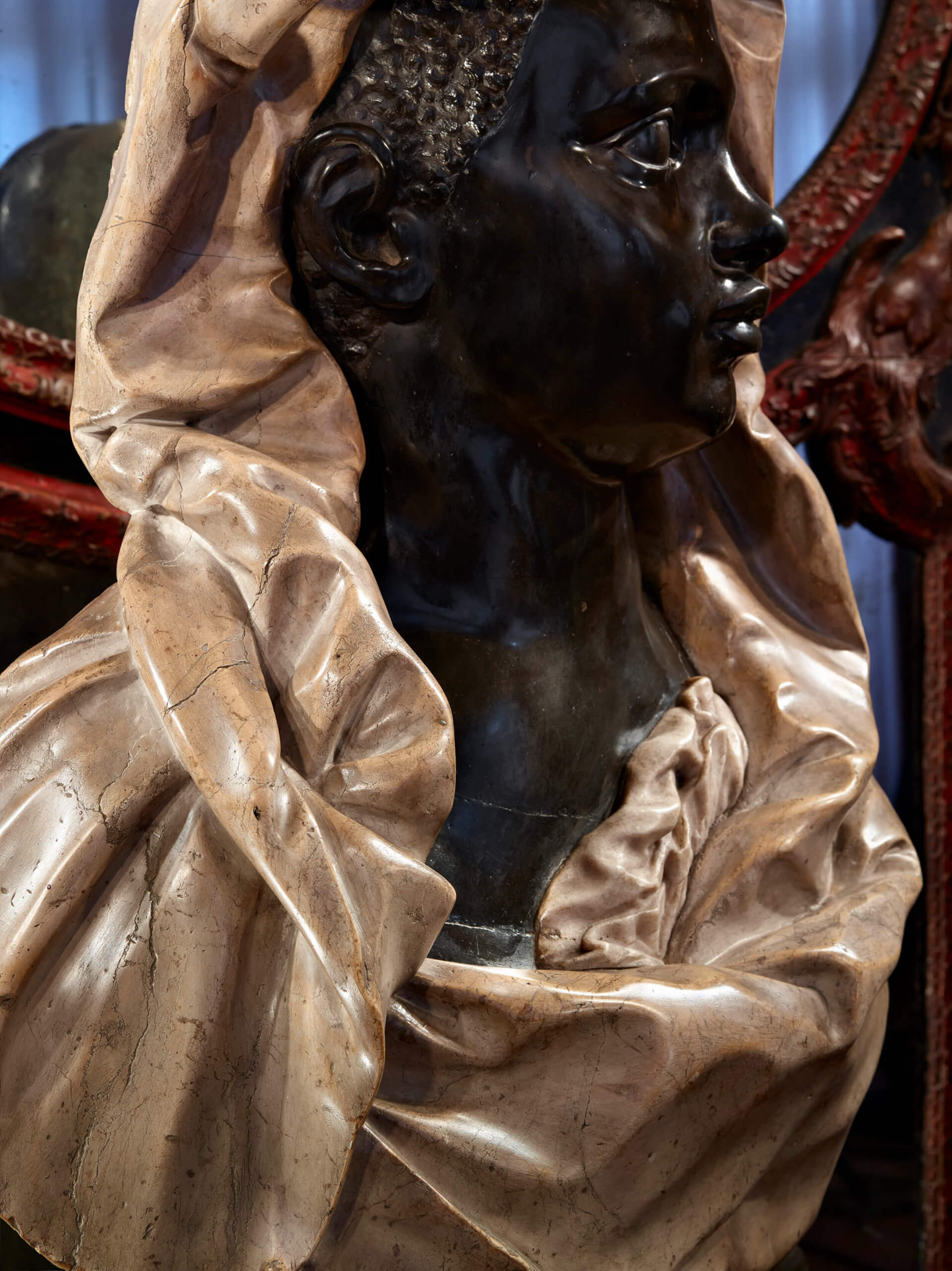
Resting on a square-section base with ogee mouldings in lumachella nera, this flamboyant bust showing a young black woman of great nobleness wrapped in an ample drape illustrates a liking that was much favoured by collectors in the 17th century for sculptures of polychrome marbles. Executed in paragone di Fiandra, also known at the time as nero di Belgio (Belgian Black) or noir de Mazy—a very resistant kind of marble containing organic matter finely divided and spread uniformly within its mass, which imparts it with that deep immaculate black that made it famous throughout Europe from the 15th century onwards—the young woman is represented in a noble and hieratic pose, with her lofty head slightly turned to the right. The quest for verism on the sculptor’s part is here obvious, particularly as regards the way the dense, small curls of his close-cropped, frizzy hair were delicately crafted, as well as the auricular pavilion of his right ear, the only one visible.
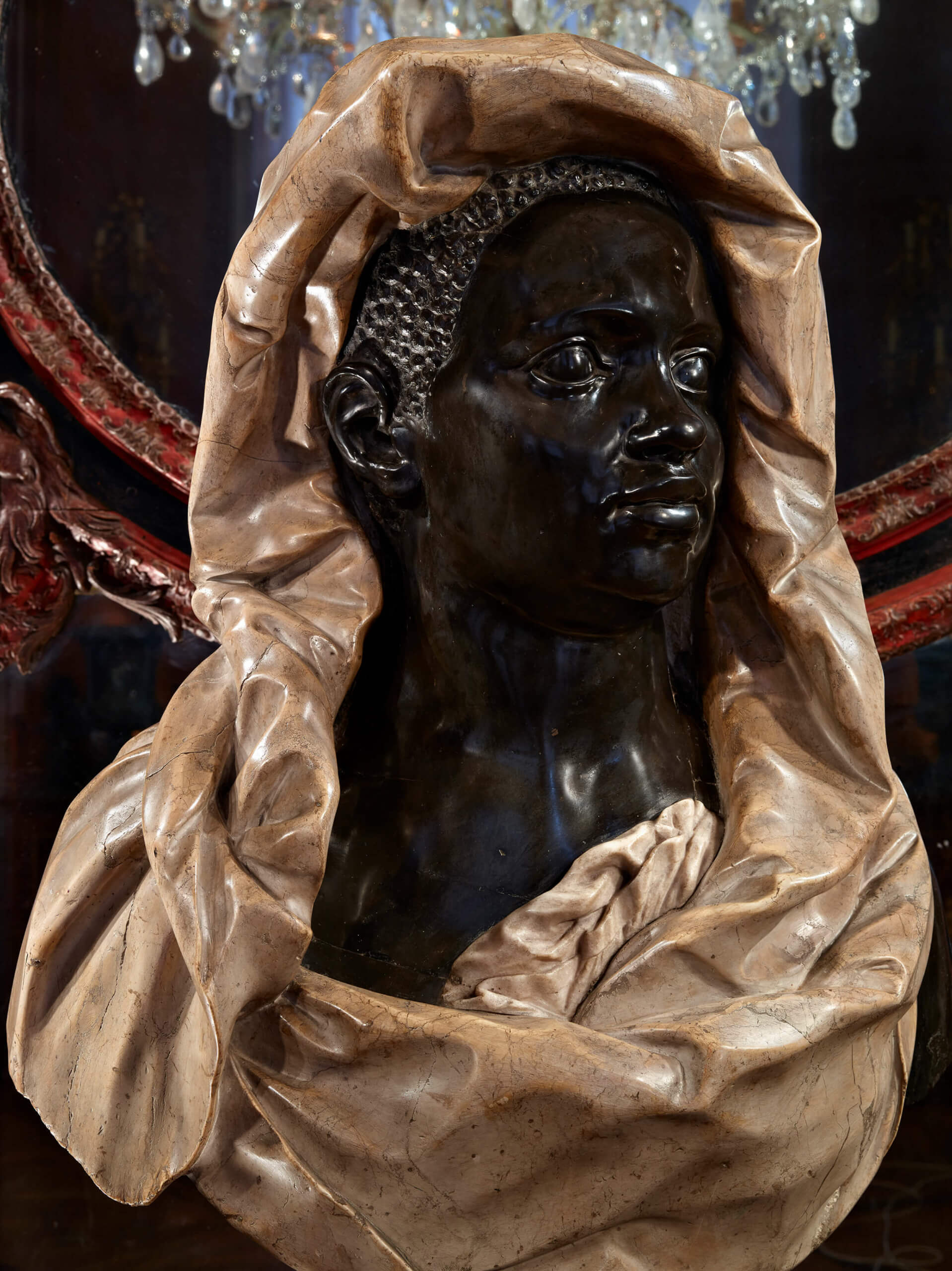
A feeling of great serenity emanates from the regular and peaceful features of his face, enhanced with his staring eyes wide open, without any irises or pupils, with perfectly drawn eyelids and brows, the very soft contours of his cheek-bones, his slightly flat-bottomed nose and his closed mouth with fleshy lips, a rendering of great beauty undoubtedly enhanced by the purity of the material used itself.
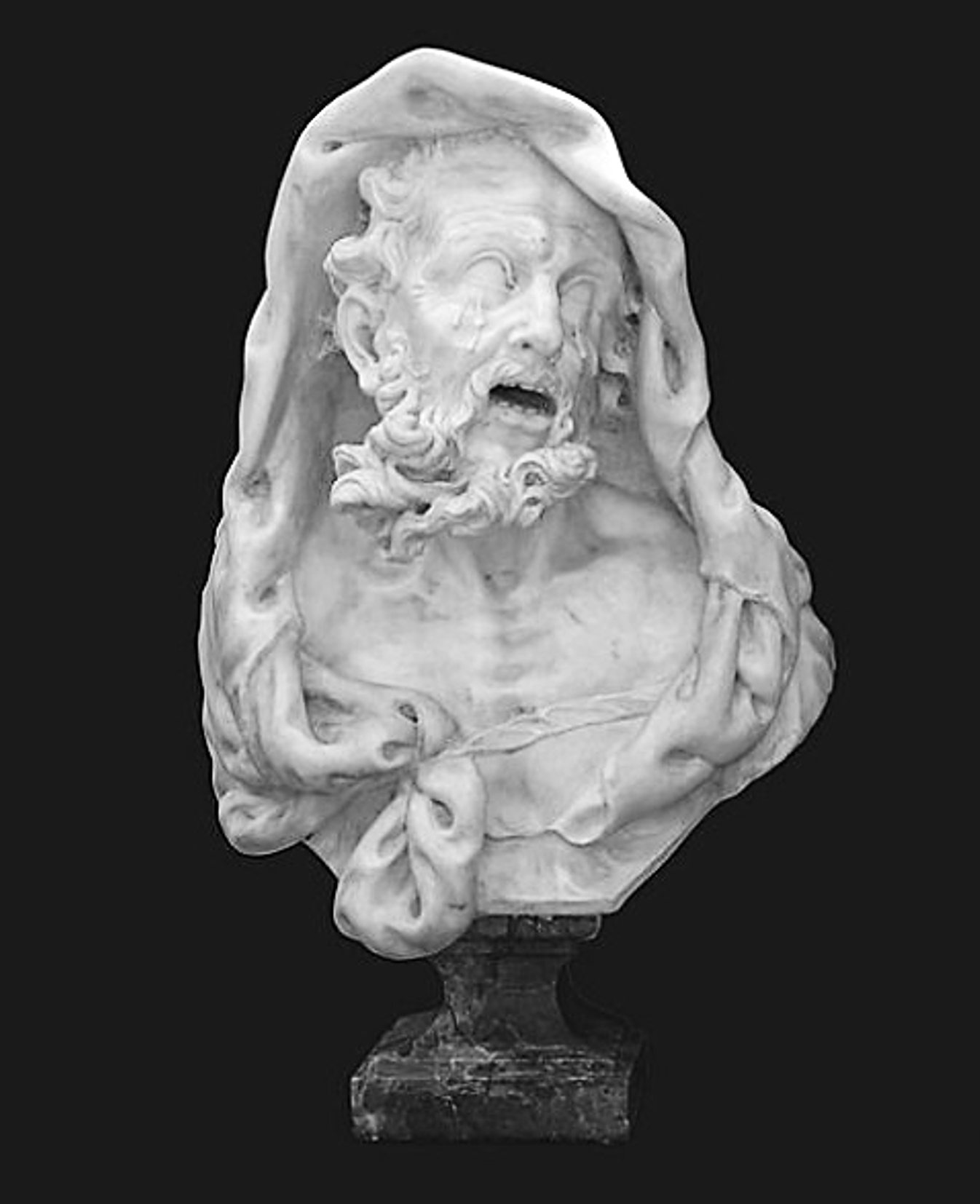
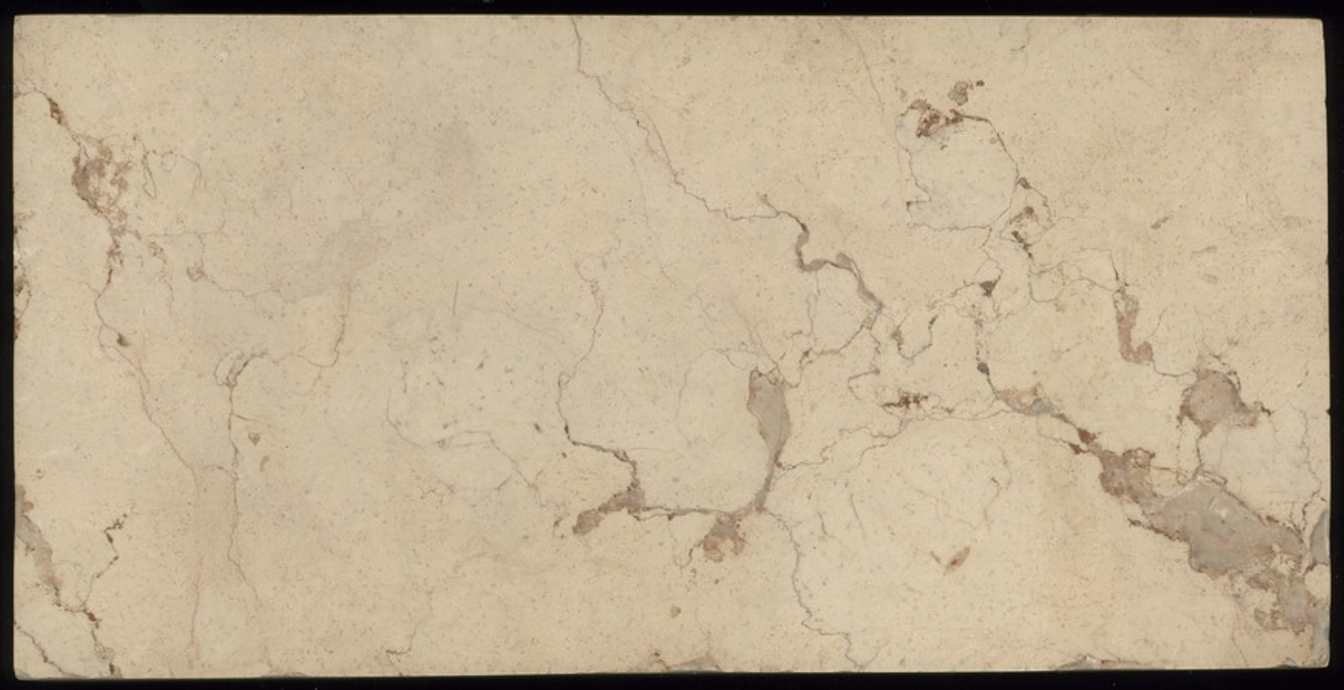
The striking contrast offered by the impressive sand-coloured drape covering its head and bust, white marble and carved in rosso di Malcesine, a marble from the town bearing the same name in the province of Verona, in Venetia, imparts this work with particular stateliness and majesty. Forming a thick asymmetrical headdress protruding above the young woman’s head, it masks the left-hand side of his face with a succession of ample and finely detailed folds while clearing his right-hand side and covering the base of the bust with ample aplats and leaving only a small part of his left shoulder uncovered. These remarkable drapes which are characteristic of Venetian Baroque are to be found especially on busts of Heraclitus, such as the one that was sculpted by Giusto Le Court (1627-1679) and now kept in the Art Museum of Ponce, in Puerto Rico, the one by Giacomo Piazzetta (1640-1705) that was listed in a private collection and reproduced in a referring article by Dr. Simone Guerriero, or yet on the busts of Heraclitus and Democritus in the Domenico and Tomaso Piva collection in Milan, which were studied and attributed by Simone Guerriero to the sculptor of German origin Melchior Barthel (1625- 1672), to whom our bust has actually been attributed.
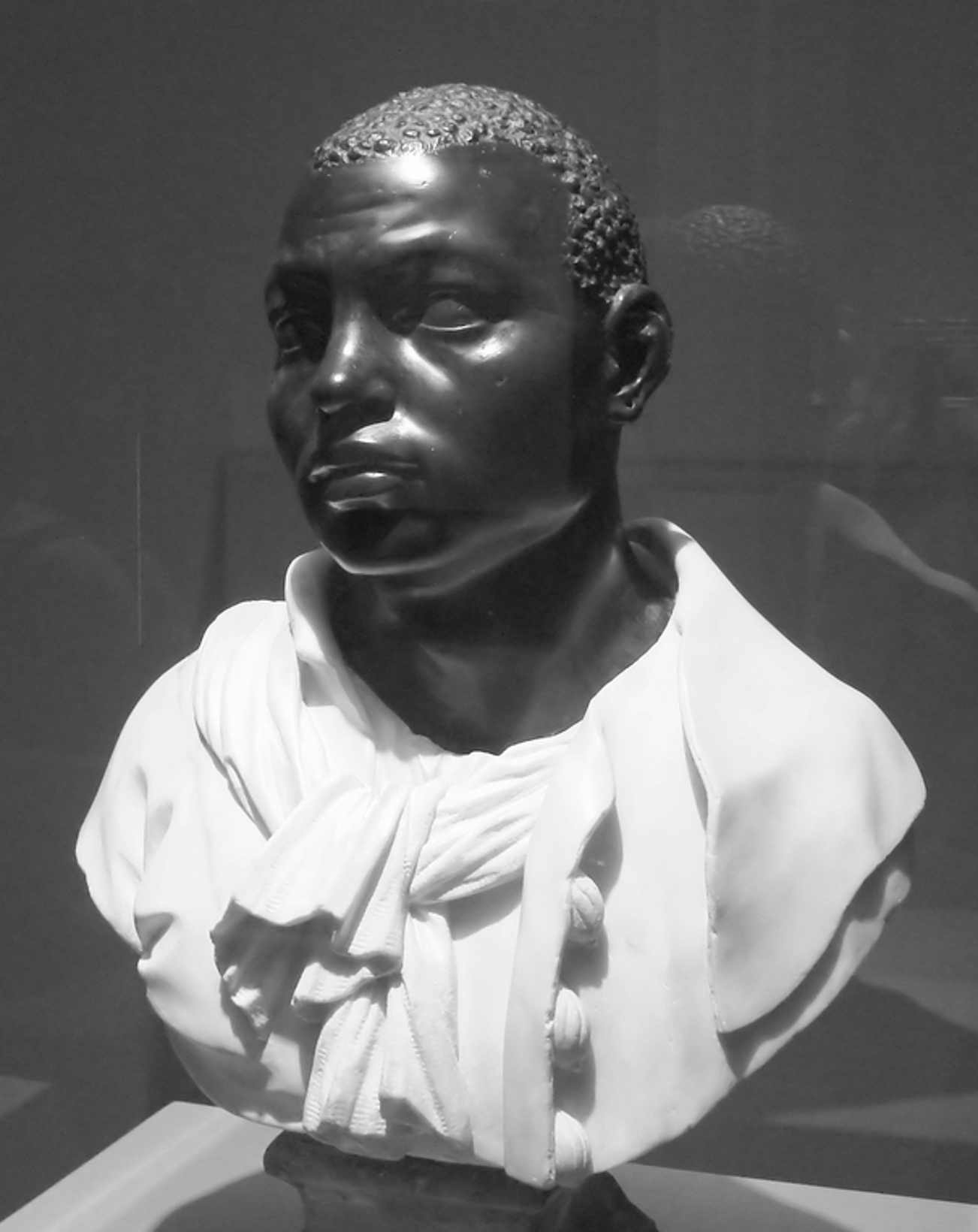
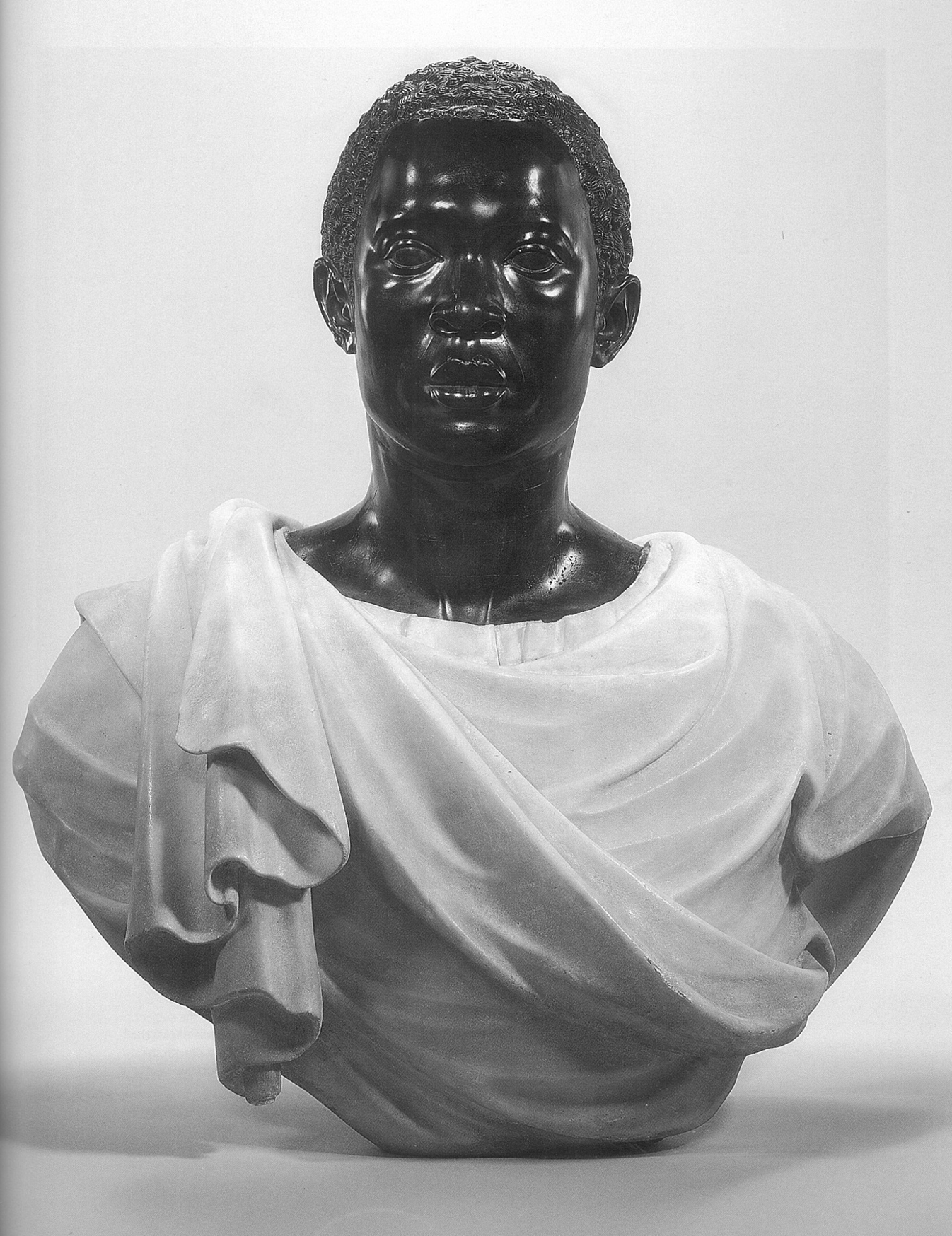
This piece presents the same characteristics as those of a very small number of busts of Black Africans executed by or attributed to Melchior Barthel, including the one signed M B. Sc [Melchior Barthel Sculpsit], which is now kept in the collections of the Saint Louis Art Museum in Saint Louis, Missouri (USA). Dated to circa 1660, that bust in paragone diFiandra and white marble which represents an older Black man with his head slightly tilted to the left, resting on a torso in white marble dressed in the Venetian fashion of the time and wearing a cravat knotted on a shirt flanked by an open overcoat with a long collar and large buttons, displays a rendering similar to ours.
Combining the verism of an individual portrait and the idealism of a noble and stately beauty, this middle-aged woman shows the same rendering of a short-cropped and frizzy hair, with tiny curls crafted in a very detailed and naturalistic manner; he has the same stare, with his eyes wide open, without any irises or pupils, and with well-drawn, almond-shaped eyelids. The contours of the face are similar, with the same rendering of the cheekbones, curved nose, closed mouth with fleshy lips and chin as well as the ears’ auricular pavilions, the whole revealing a posture simultaneously noble, serene and detached. That bust was reproduced in the book by Andrea Bacchi, La Scultura a Venezia da Sansovino a Canova, published in Milan in 2000.
Among the very rare busts of that type inventoried up to now, all of which were attributed to our sculptor and displaying the same characteristics, particular mention should be made of the bust of a young Black man on a white marble torso draped in the antique manner that was sold by Christie’s for 259.650 £ on 13th June 2002 in London; and the bust of a young Black man, signed B. F. [Barthel Fecit ?], also sold by Christie’s on 2002 in London.
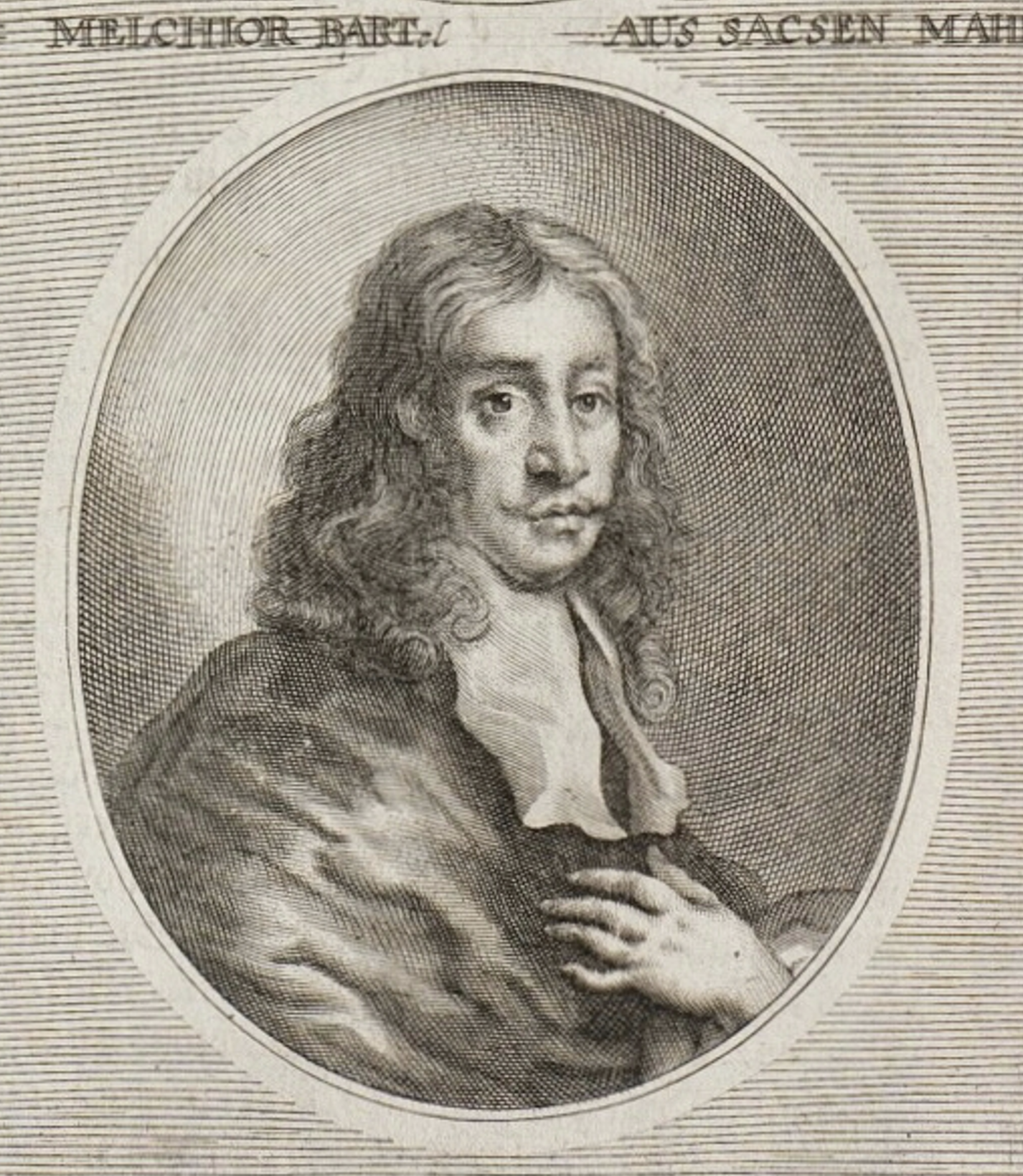
Born in Dresden on 10th December 1625, Melchior Barthel was considered one of the greatest German court sculptors in the 17th century. First trained circa 1638-1640 in the workshop of his father, Hieronymus Barthel; when the latter died an untimely death he completed his apprenticeship in the workshop of the sculptor Johannes Böhme in Schneeberg, a town located in Saxony, south-east from Chemnitz, where he remained for five years.
From 1645 onwards as an artisan companion he embarked on a grand initiatory journey across Southern Germany, which led him successively to stay with Heinrich Wilhelm in Ratisbon, Baveria; with Johann Seitz in Passau, located at the confluence of the Danube, the Inn and the Ilz; then with David Helscher, in Ulm, in Baden- Württemberg, where he worked for three years with another companion called Christoph Abraham Walther, and finally again in Bavaria, in Augsburg.
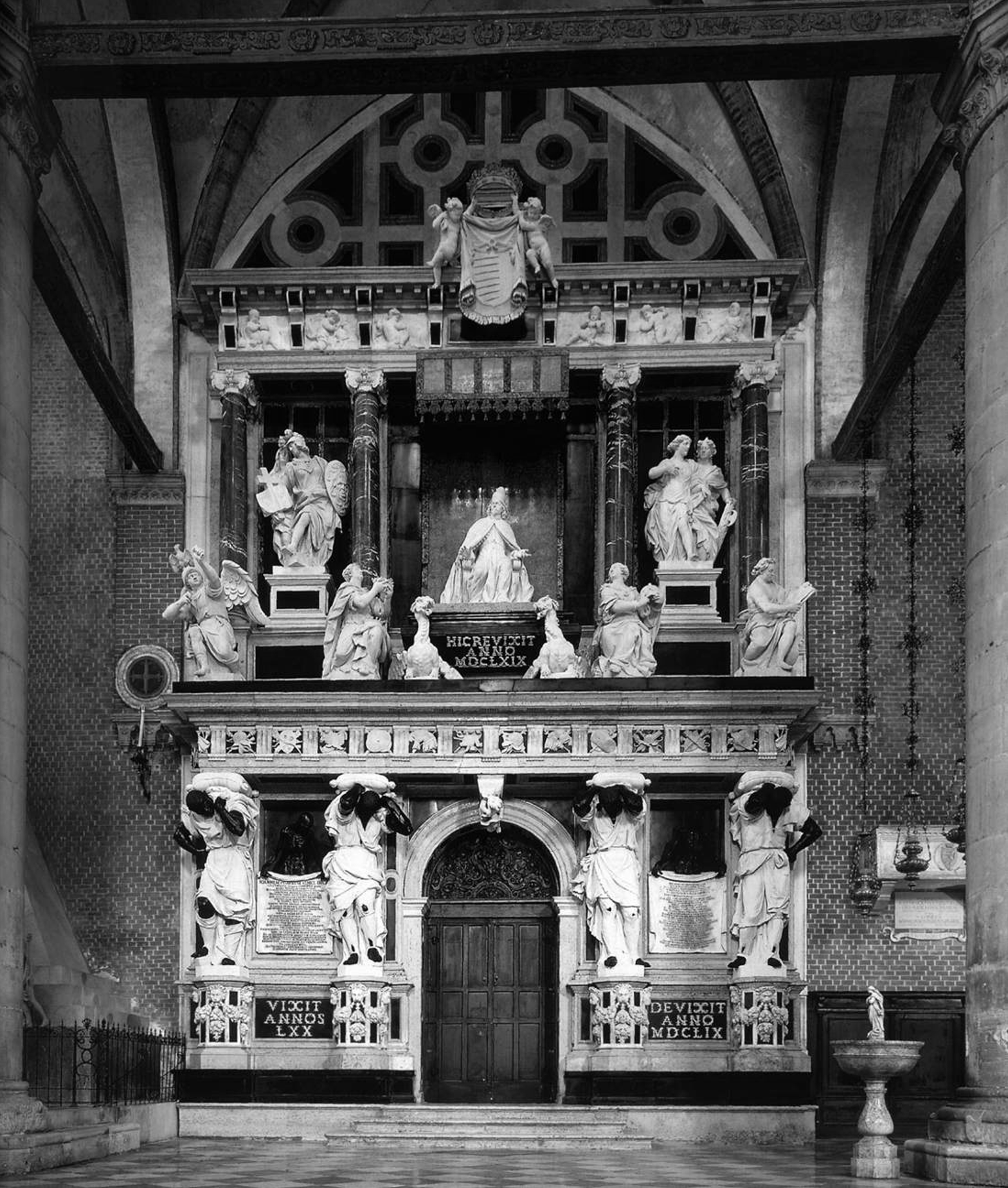
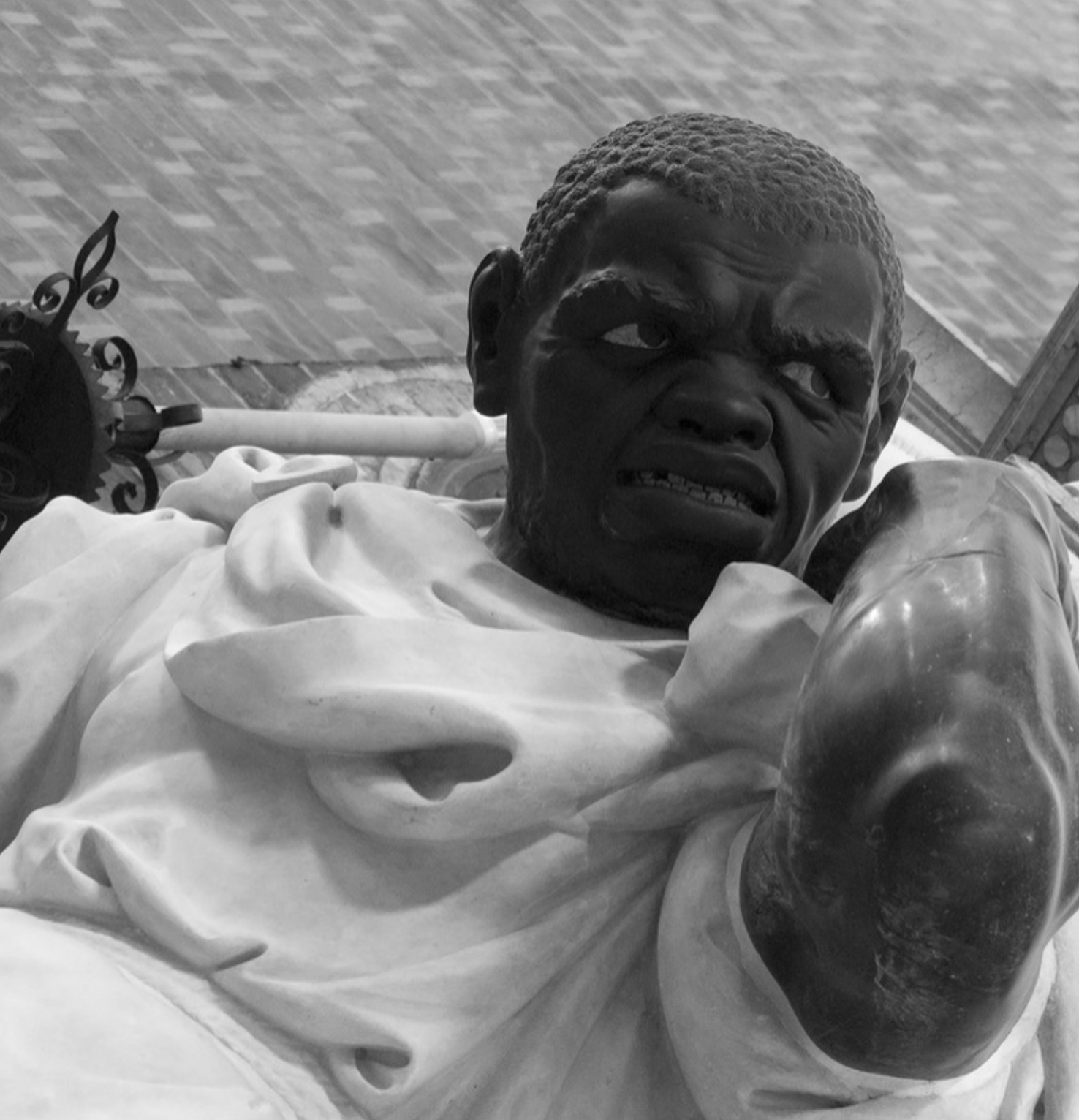
Melchior Barthel discovered Italy in 1651, staying first in Rome until 1654 where he was deeply marked and influenced by the art of Gian Lorenzo Bernini, also known as the Bernini, and moving afterwards to Venice where he stayed seventeen years or so and produced the most important part of his works. Under the supervision of the architect Baldassare Longhena and with the sculptors Giusto Le Court, Michele Fabris and Francesco Cavrioli he took part between 1659 and 1669 in the creation of the monumental tomb for Doge Giovanni Pesaro in the Church of Santa Maria Gloriosa dei Frari in Venice, which is supported at its base by four huge Black “African” Atlases, sculpted in black marble and white marble. It was also in Venice that Barthel executed most of his famous busts of Black men.
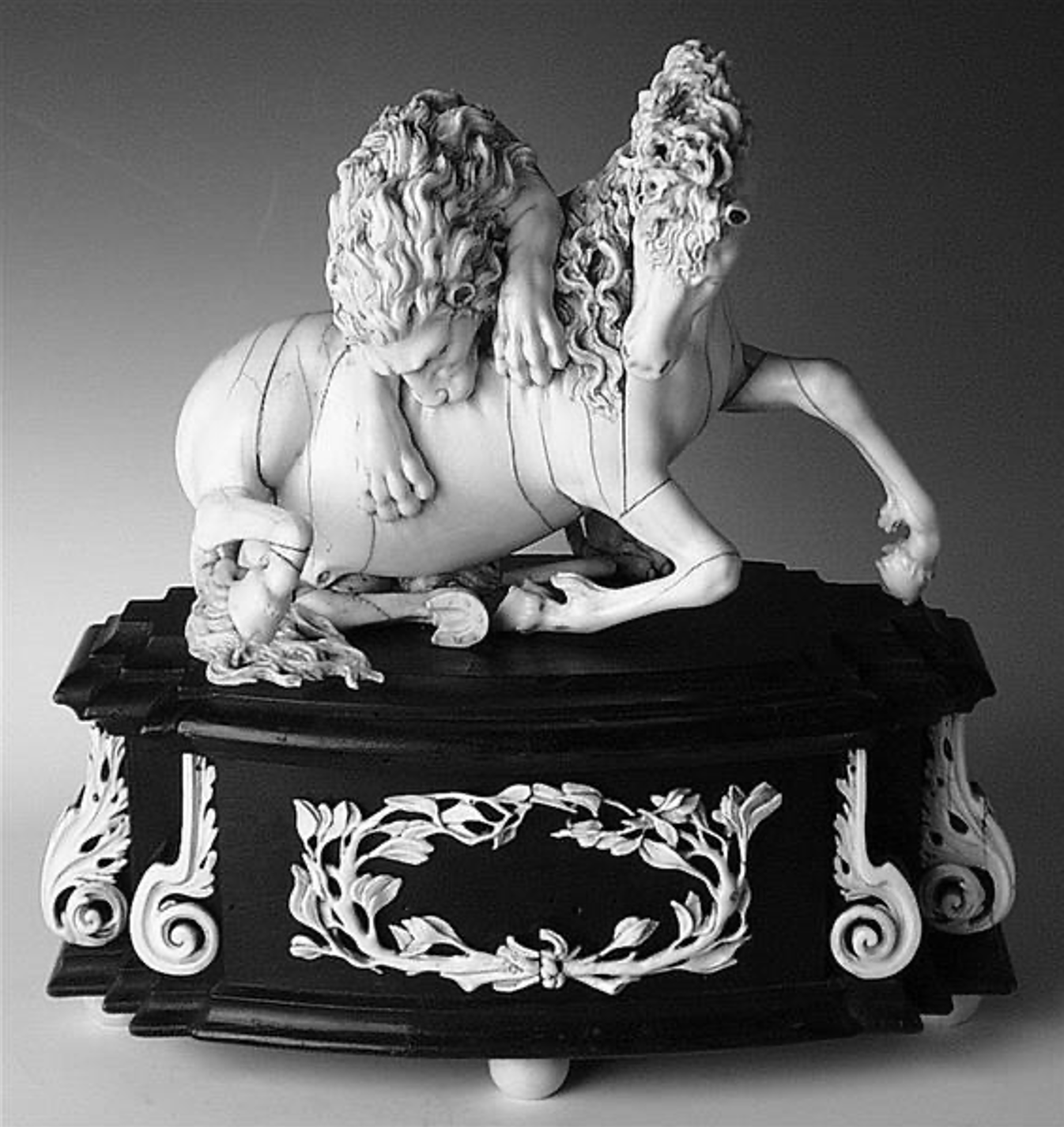
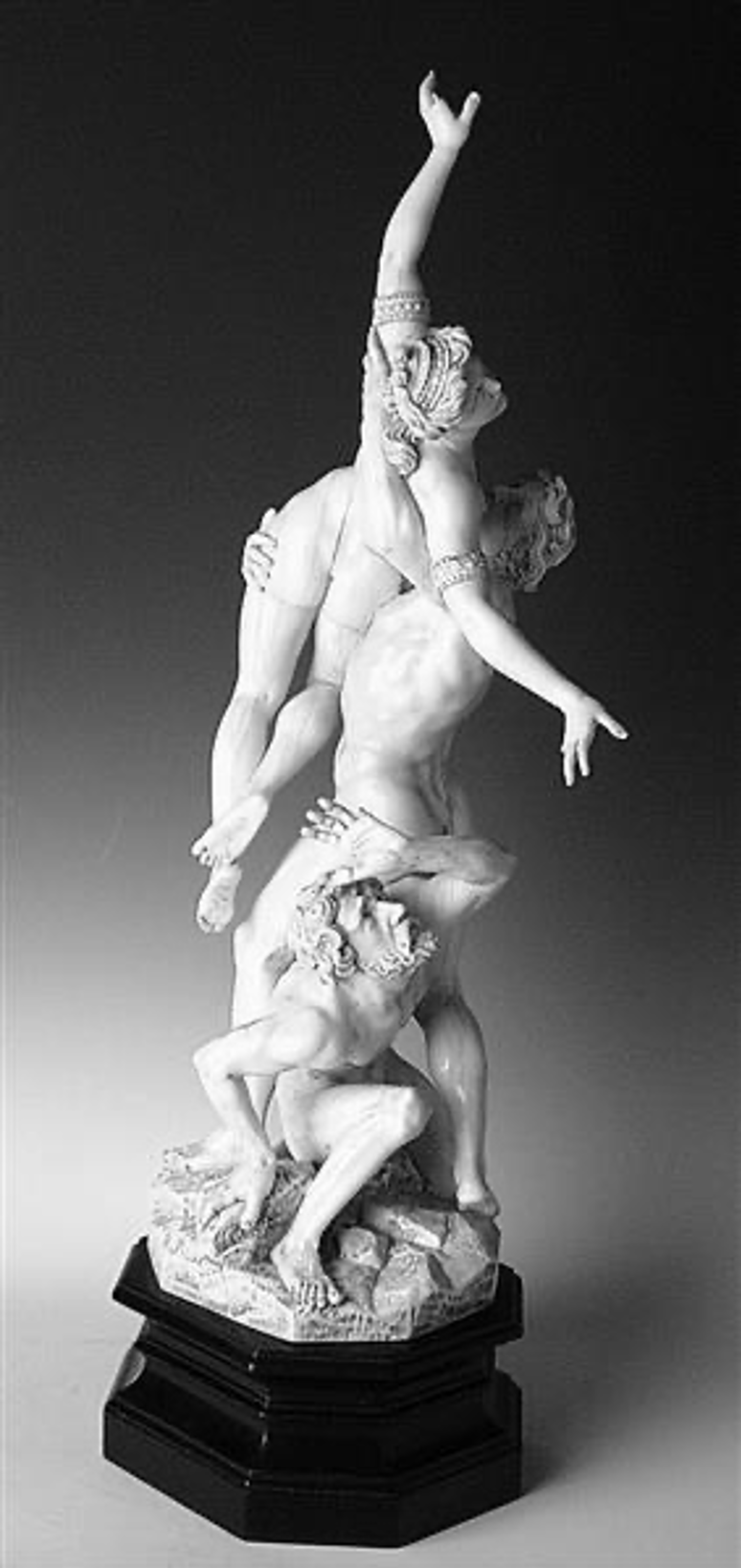
Barthel returned to Dresden in 1670 with two of his pupils, Elias Räntz (1649-1732) and Paul Premsler, with whom he had made friends in 1645. Thanks to the intervention of the architect Wolf Caspar von Klengel (1630-1691), he was appointed sculptor to the Court of Saxony by Johann Georg II (1613-1680), Elector of Saxony, Count Palatine of Saxony and Margrave of Meissen since 1656. In Venice and later in Dresden, he also specialized in ivory carving and treated religious subjects as well as drawing their inspiration from Antiquity with unmatched brilliance. Several of these masterpieces are now kept in the Bargello National Museum in Florence—a crucifix—and mostly in the Grünes Gewölbe (Green Vault) of the Residenz in Dresden, the famous museum founded in 1723 by the Prince-Elector of Saxony Augustus I, also known as Augustus the Strong, in which is kept the famous Lion attacking a horse on an ebony base, executed by our sculptor between 1670 and 1672 in Dresden. Melchior Bartel died in his hometown on 12th November 1672.