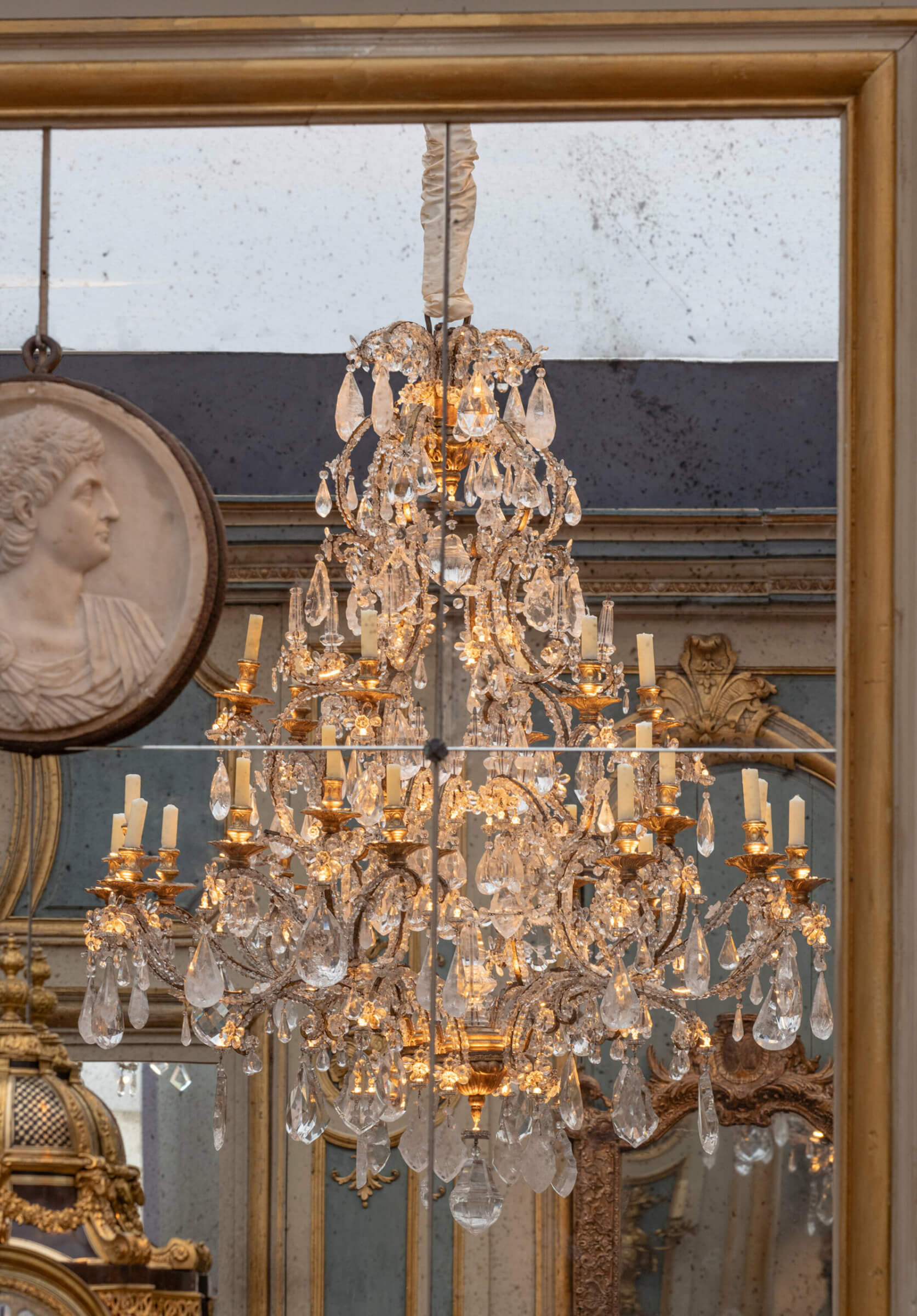
Wrought and gilded iron; giltwood; original rock crystal beads and pendants.
H. 151 cm. (59 ½ in.); D. 121 cm. (47 ¾ in.).
PROVENANCE: private collection.
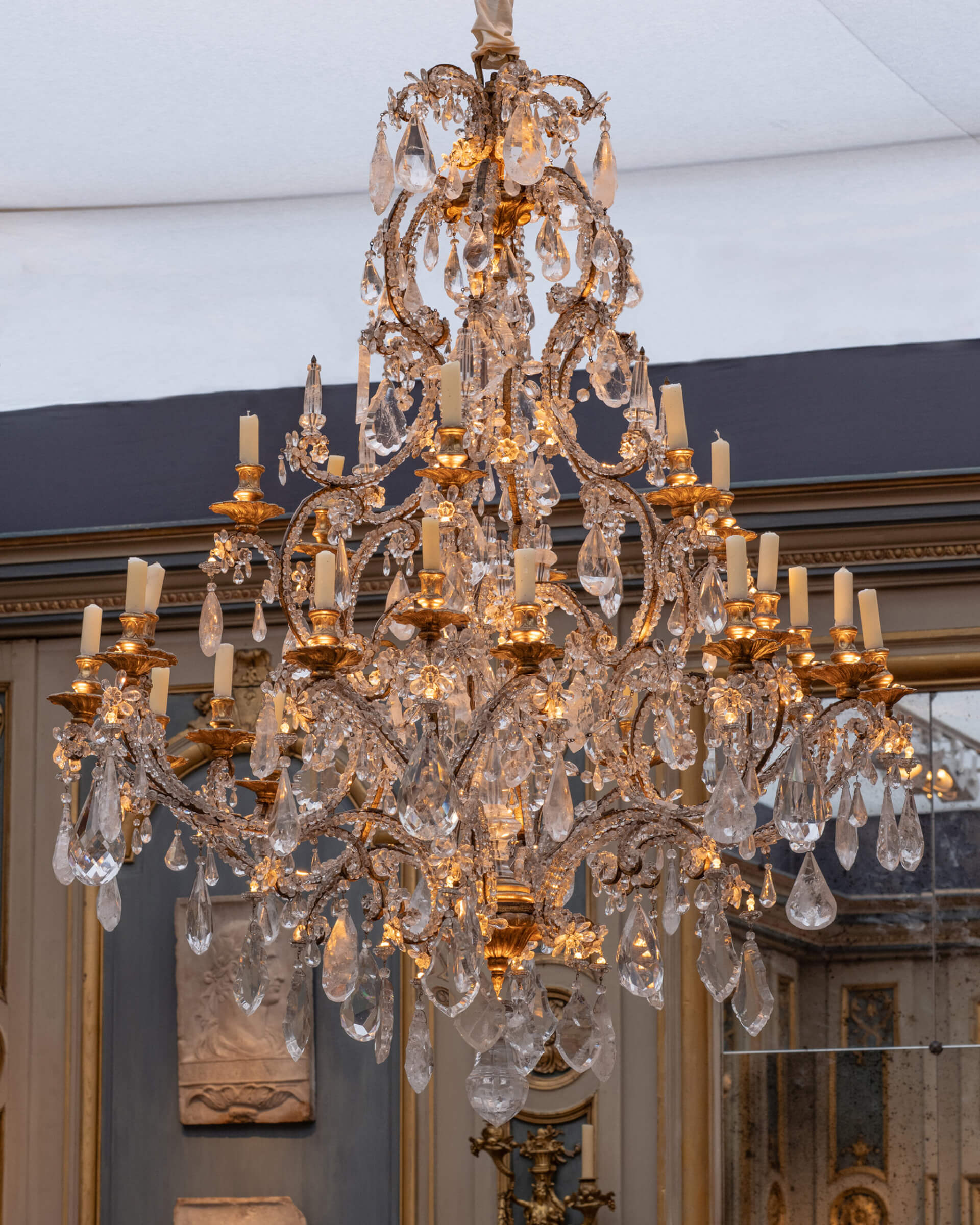
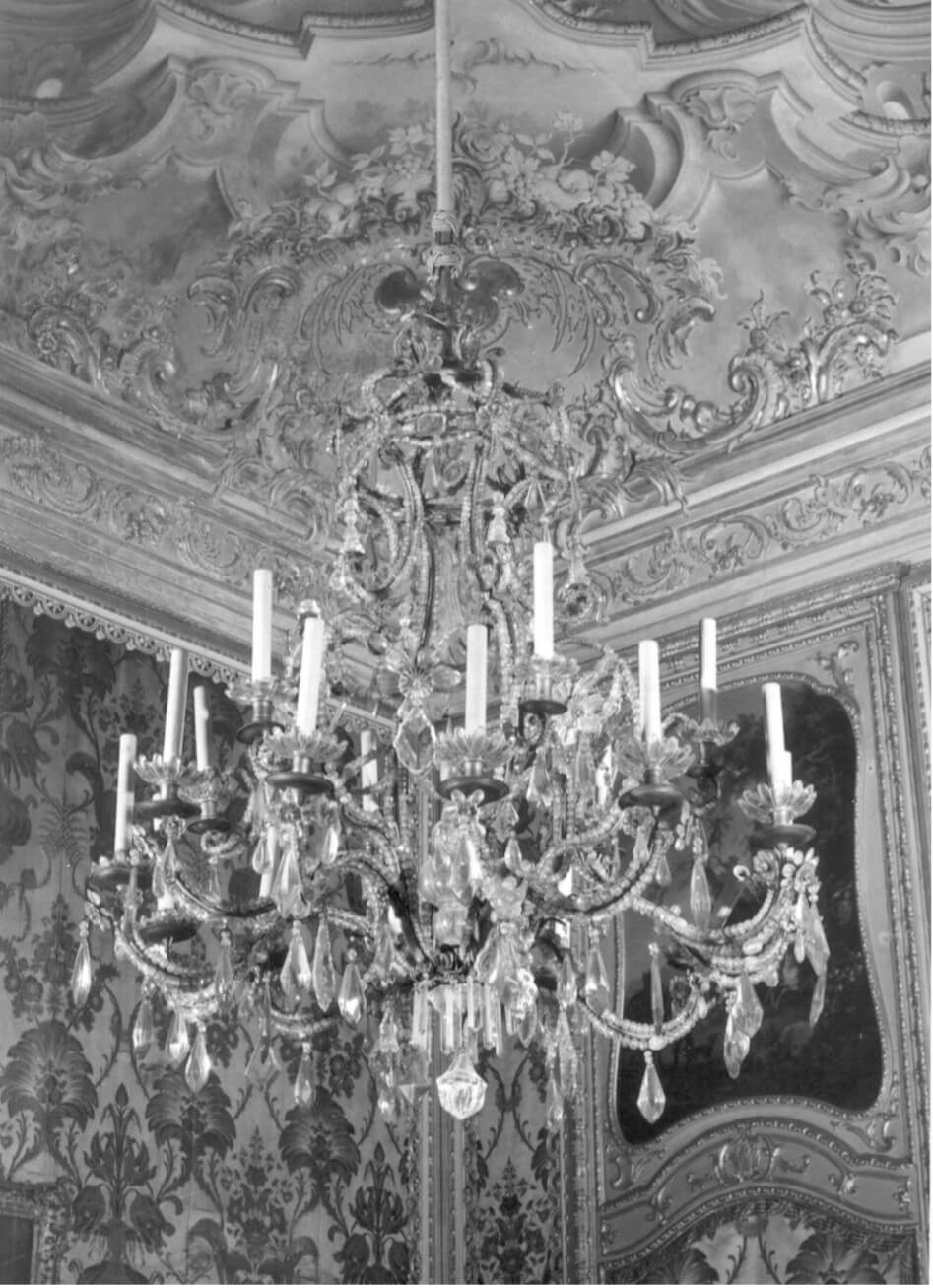
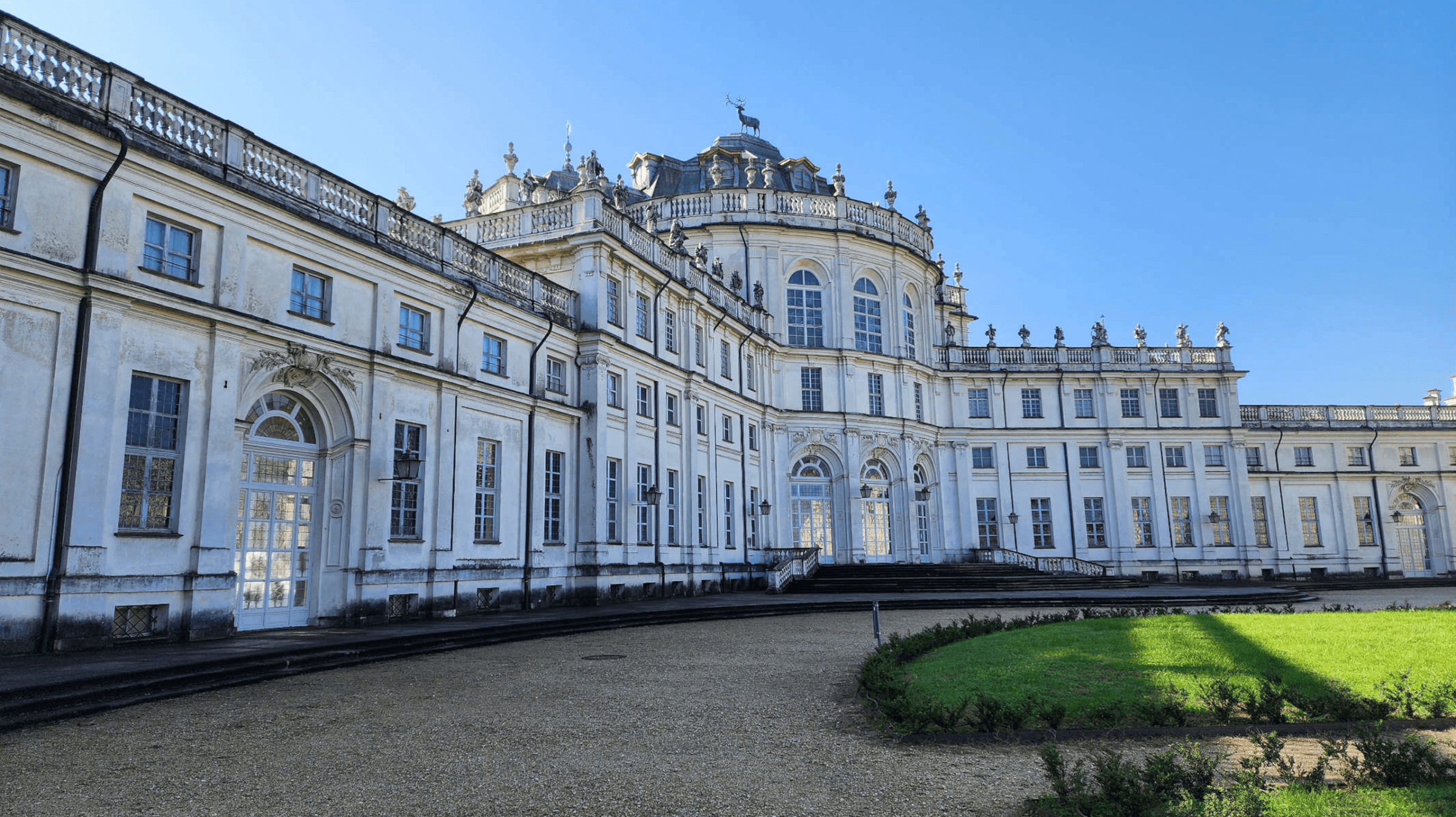
Entirely adorned with its original rock crystal elements, this exceptional Piedmontese chandelier ranks among the most precious lighting fixtures created in eighteenth-century Italy. It can be dated to between 1740 and 1760 and is characteristic of the production of the workshops working for the Royal House of Savoy at that time. Particularly similar examples are still preserved today in the royal salons of the Hunting Pavilion of Stupinigi, a masterpiece by the architect Filippo Juvarra (1678–1736), built for King Victor Amadeus II of Savoy (1666–1732).
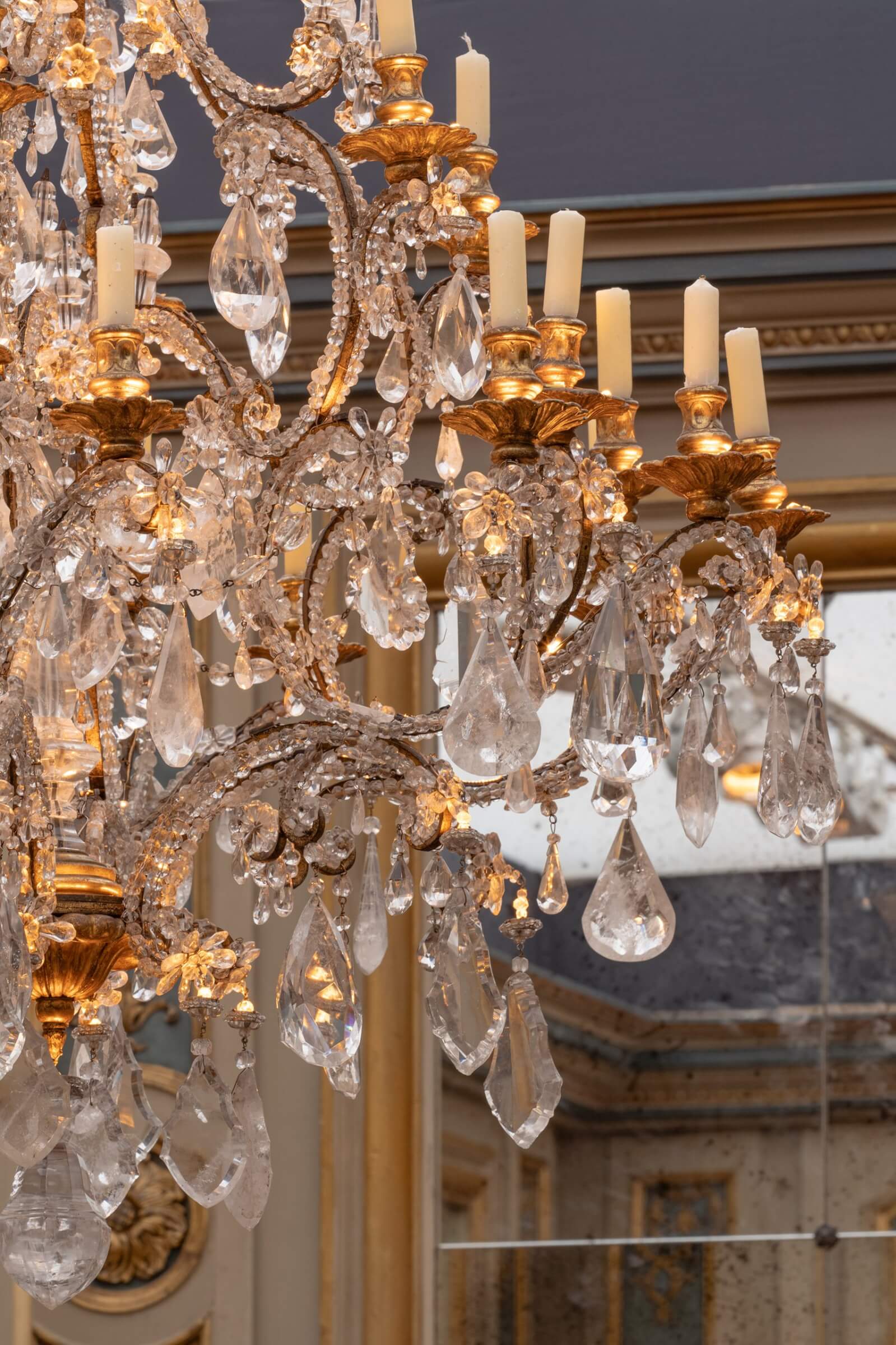
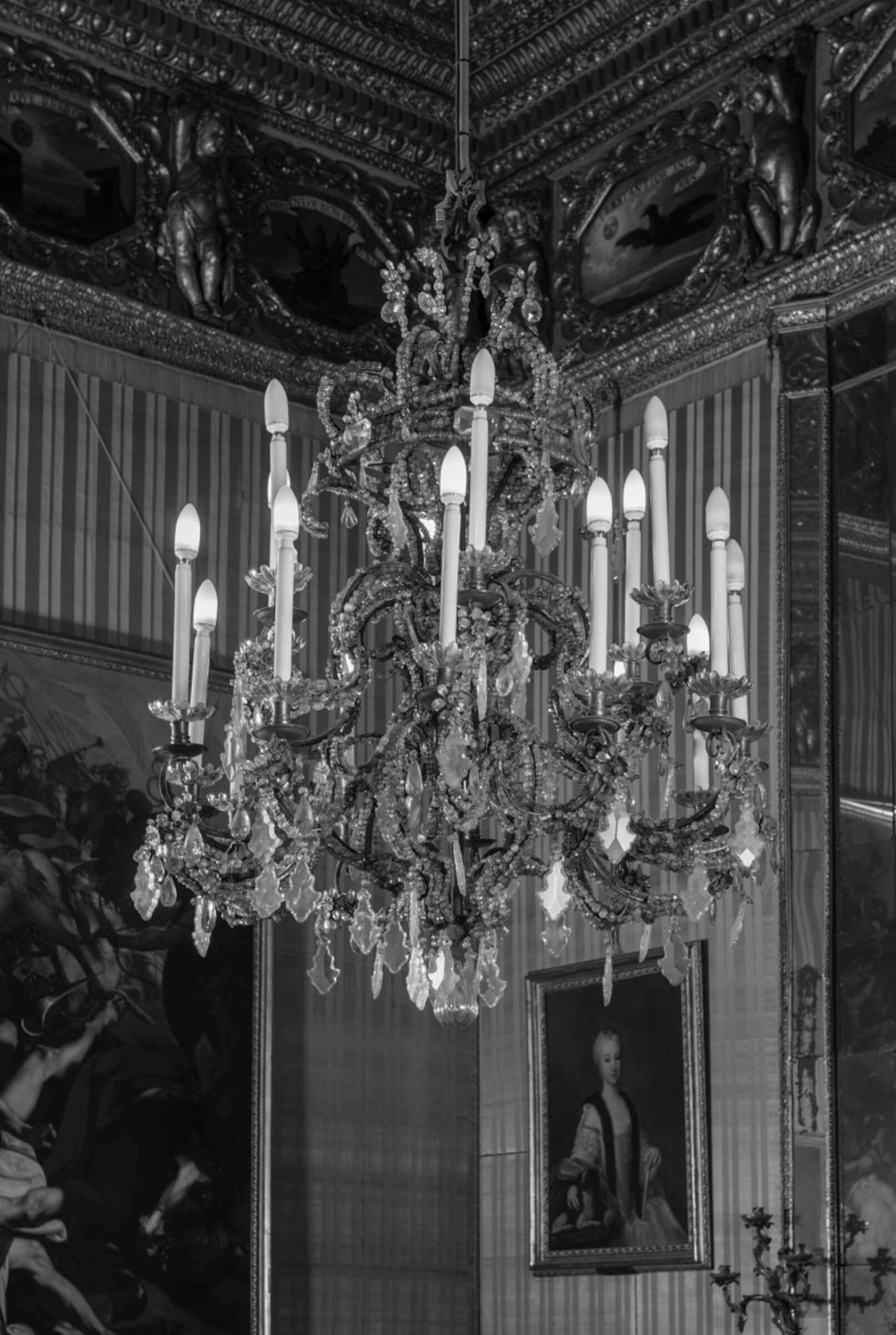
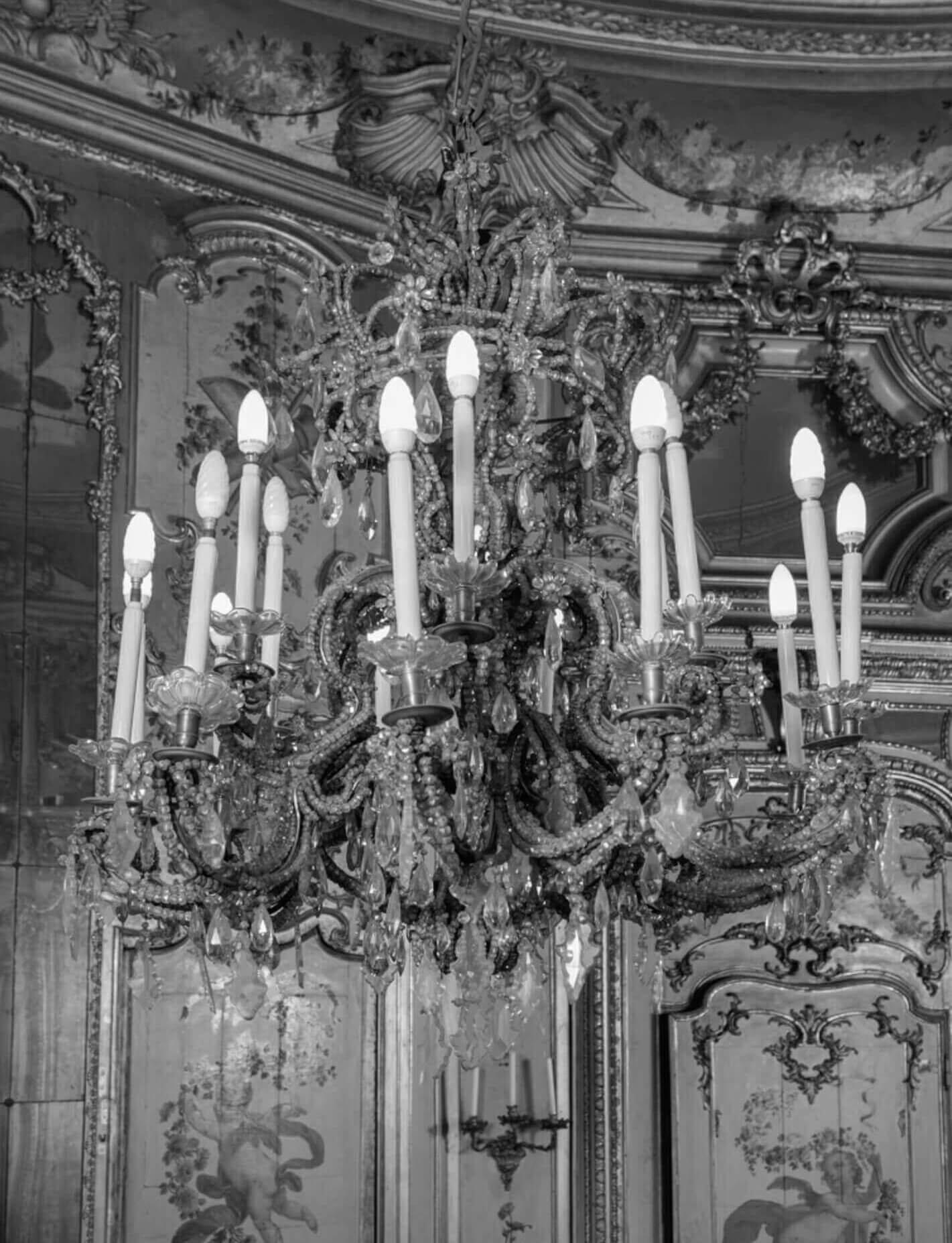
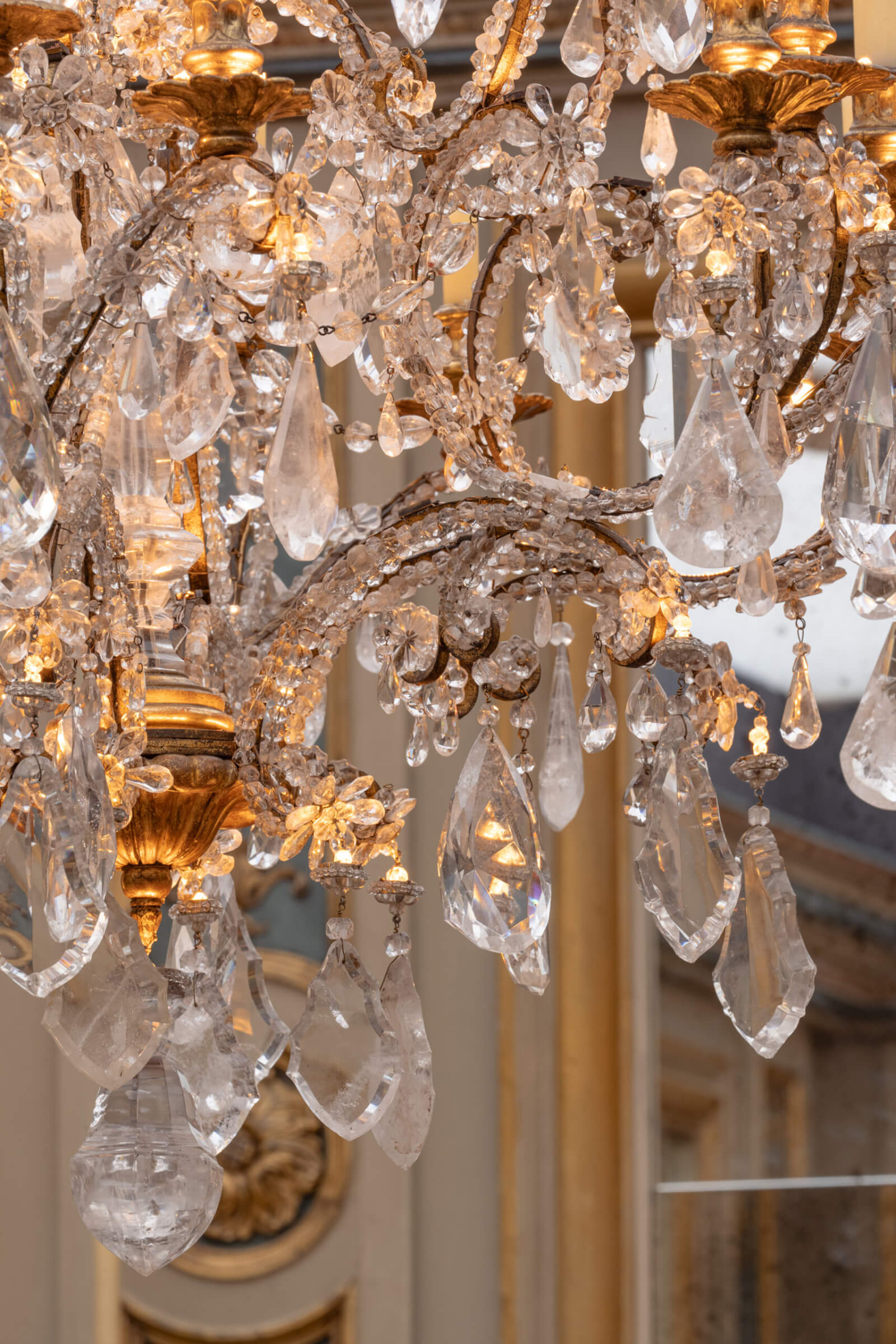
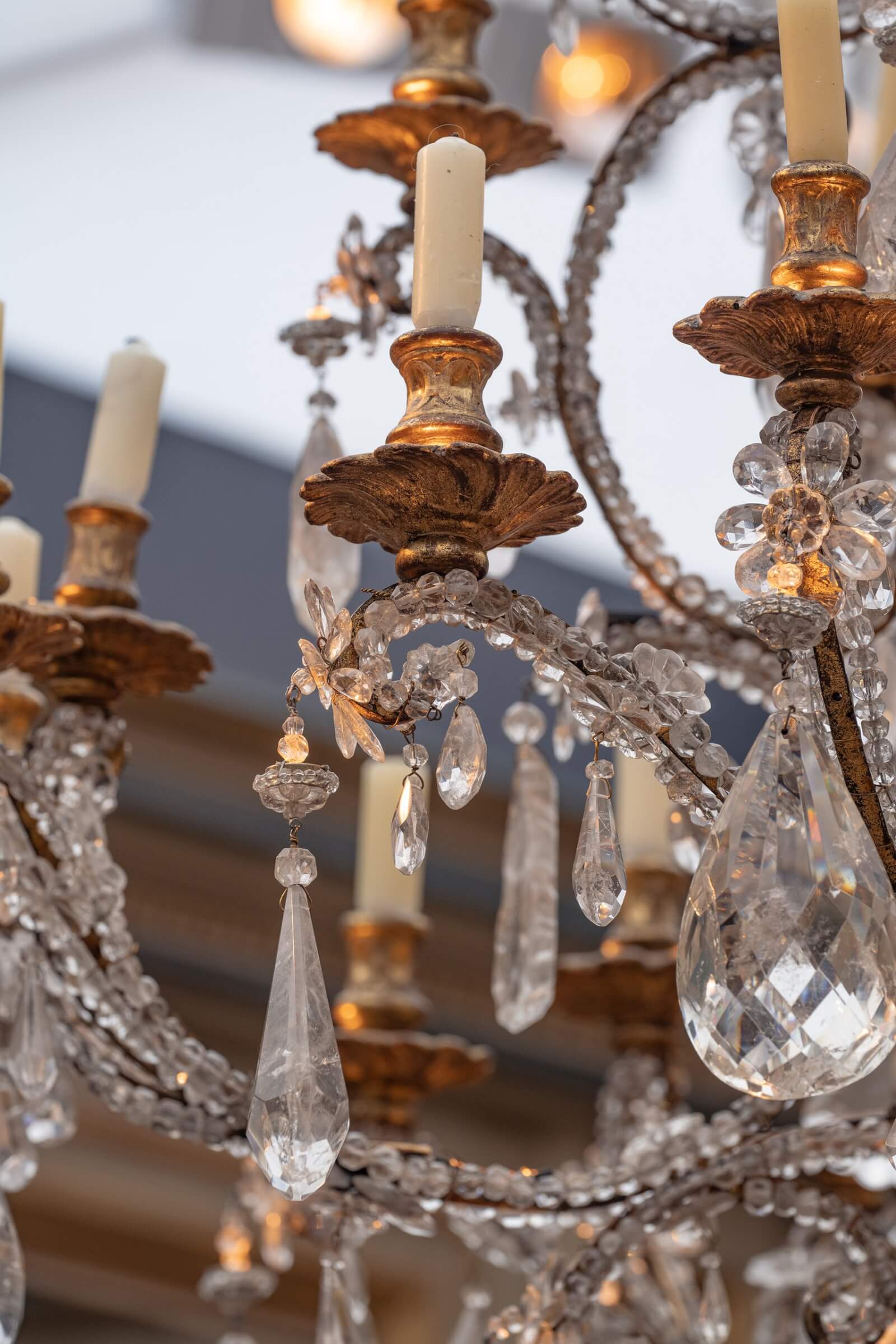
At the base of its stem, the chandelier features a flared corolla decorated with lanceolate leaves carved in giltwood, from which hangs an opulent, faceted pear-shaped rock crystal ball. Above this base, surmounted by an imposing ‘pyramid’, also in rock crystal, emerge six sumptuous ‘bouquets’ of scrolling gilt-metal branches, each bearing three lights. Another series of superimposed scrolling branches rests upon these, one of which carries an additional light. Together, they form a ‘cage’ with an undulating outline, entirely strung with small rock crystal beads « à lacé », which constitute the very body of the chandelier.
A circular giltwood canopy, decorated with a corolla of scalloped leaves, from which hangs a ‘pyramid’ of rock crystal, crowns the chandelier. It is surmounted by small scrolling metal branches entirely adorned with rock crystal beads. The chandelier is further embellished throughout the scrolls of its branches with rosettes, also in rock crystal, from which are suspended pierced plaques with scrolling outlines, faceted pear-shaped drops and other similarly carved rock crystal pendants. The twenty-four circular giltwood drip pans are decorated with twisted foliage motifs, while the cylindrical candle sockets are encircled by a frieze of interlacing bands with fluted channels.
Commanding extraordinary prices, rock crystal chandeliers were objects of the utmost rarity. Esteemed since antiquity, this noble and precious material retained its prestige and value throughout the centuries. The use of rock crystal elements in lighting fixtures first emerged in Europe in the seventeenth century, on chandeliers then known as chandeliers. At the beginning of the eighteenth century, the discovery of new deposits in Central Europe made it possible to cut larger blocks and diversify the types of ornament, including daggers, pyramids, stars and pendants. At the time, two criteria were used to assess the value of rock crystal: its weight, measured, like silverware, in marks, ounces and gros, and its purity or transparency, then referred to as its ‘water’. Indeed, the finest pieces were described as being ‘of very fine water’, a term that is perfectly applicable to the rock crystal elements of the chandelier presented here.