

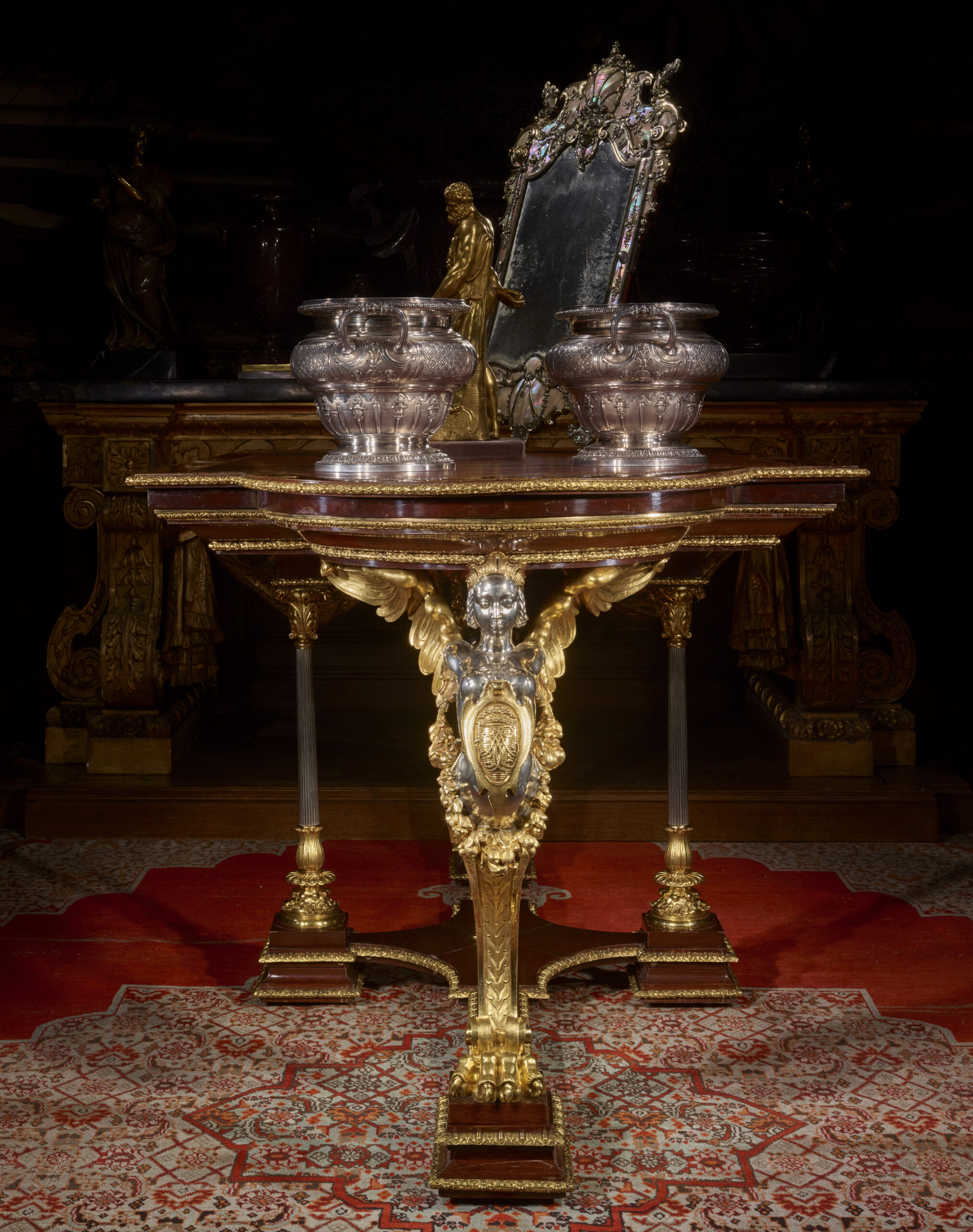
Oak and poplar carcass; amaranth veneer; silvered and gilded bronze; leather.
H. 79 cm. (31 1/8 in.); W. 172 cm.; (67 ¾ in.); D. 86 cm. (34 in.).
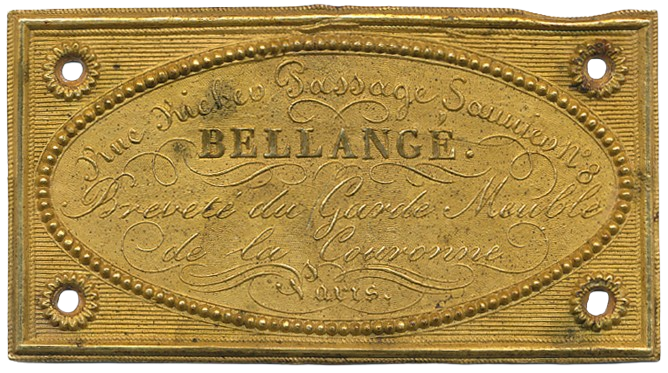
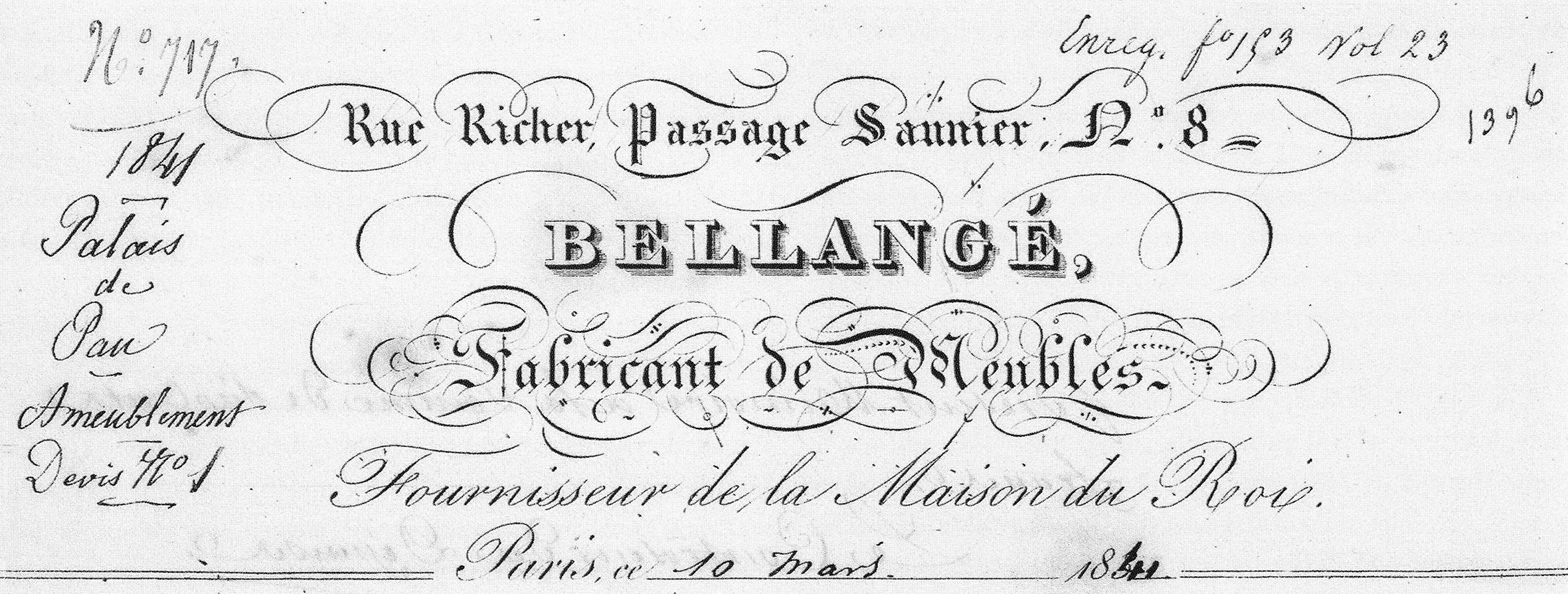
SIGNATURE: BELLANGÉ/BREVETÉ DU GARDE MEUBLE DE LA COURONNE/PARIS/ RUE RICHER/PASSAGE SAUNIER N° 8, visible on a moulded and bretté (ribbed) bronze plaque with a beaded oval cartouche, fixed under the tabletop, in the centre of the middle cross-rail.
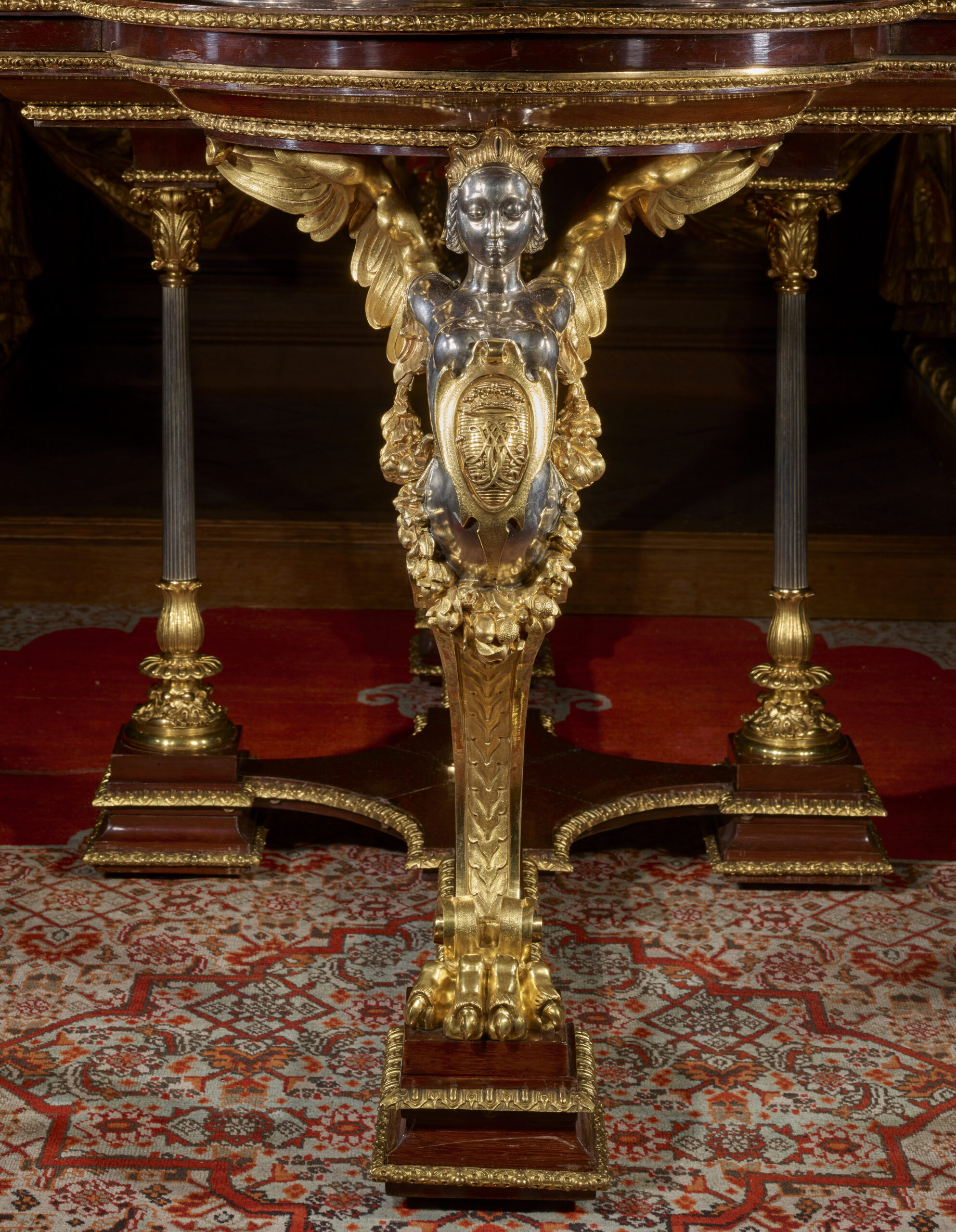
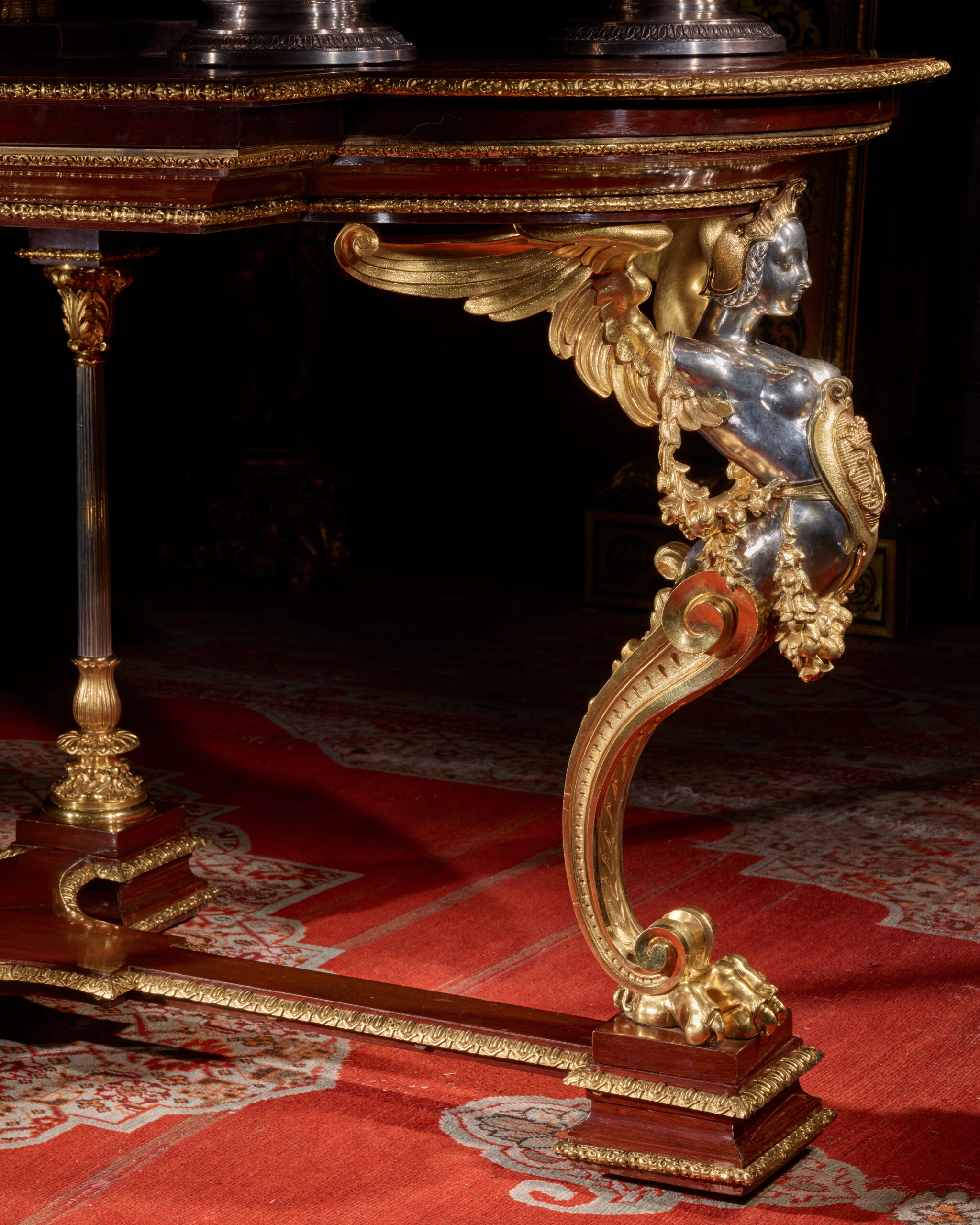
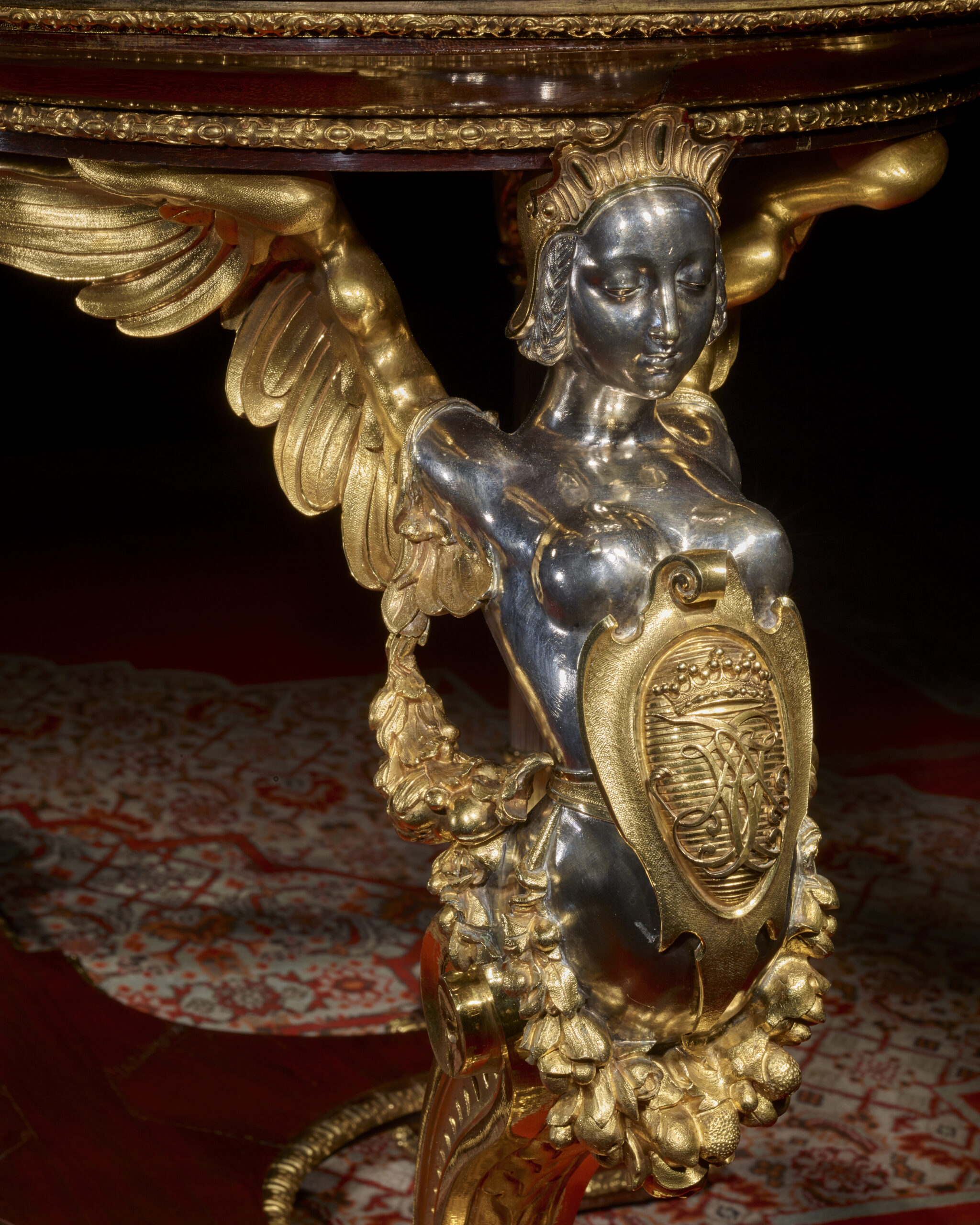
MONOGRAM: AATT in intertwined cursive letters, beneath a Roman princely crown, all chiselled in gilt bronze in an oval cartouche placed on the torso of the two winged female allegories on the table base: cipher of Prince Alessandro Torlonia (1800–1886).
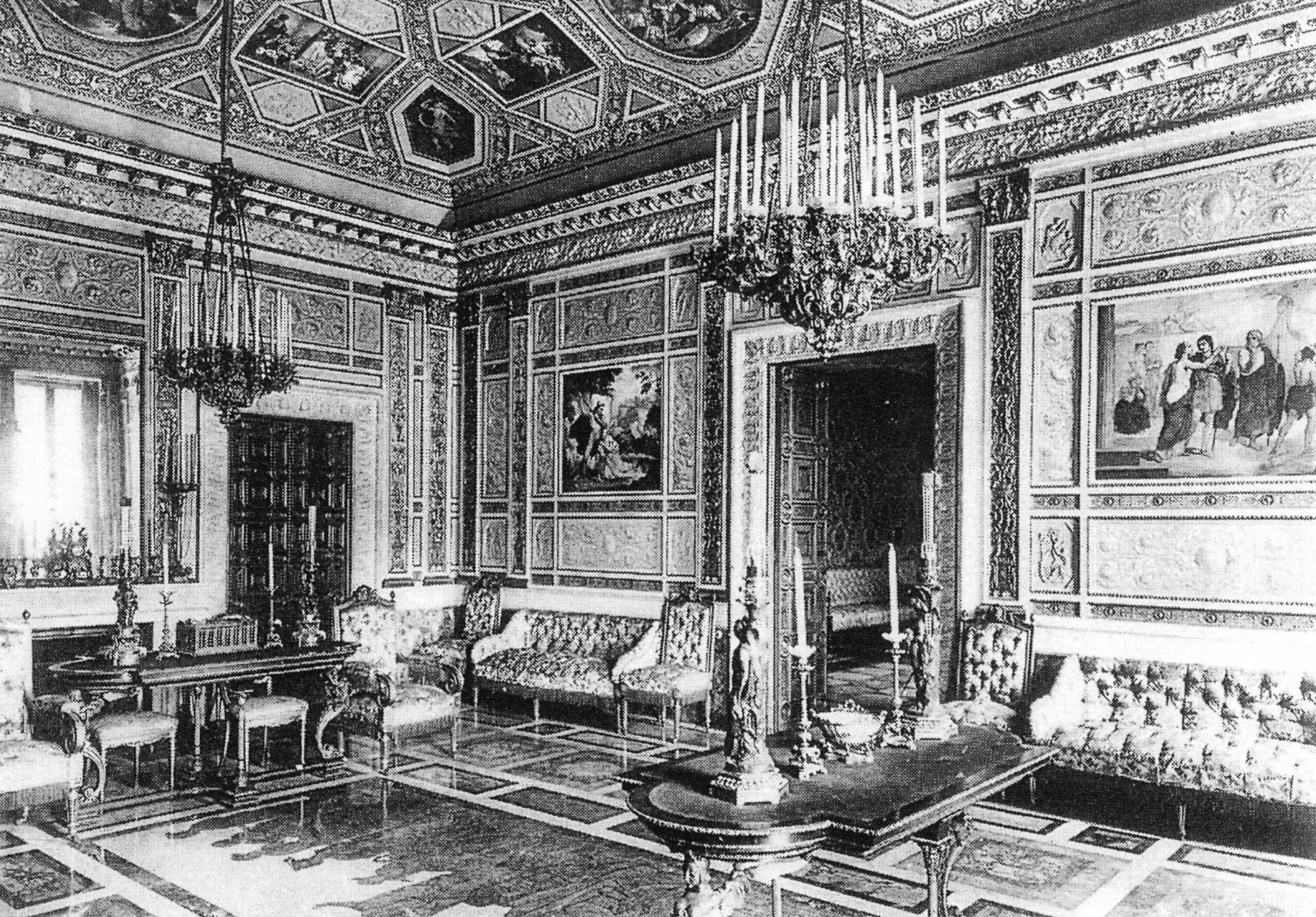
PROVENANCE: commissioned in 1834 by Alessandro Torlonia (1800–1886), Duke of Ceri and 1st Prince of Fucino, with a second identical table, both placed in the Sala di Telemaco (Telemachus Room) of the Torlonia Palace, Piazza Venezia, Rome: collection of Maurice Ségoura, Paris; private collection in Switzerland; collection of the Galerie Steinitz, Paris; private American collection.
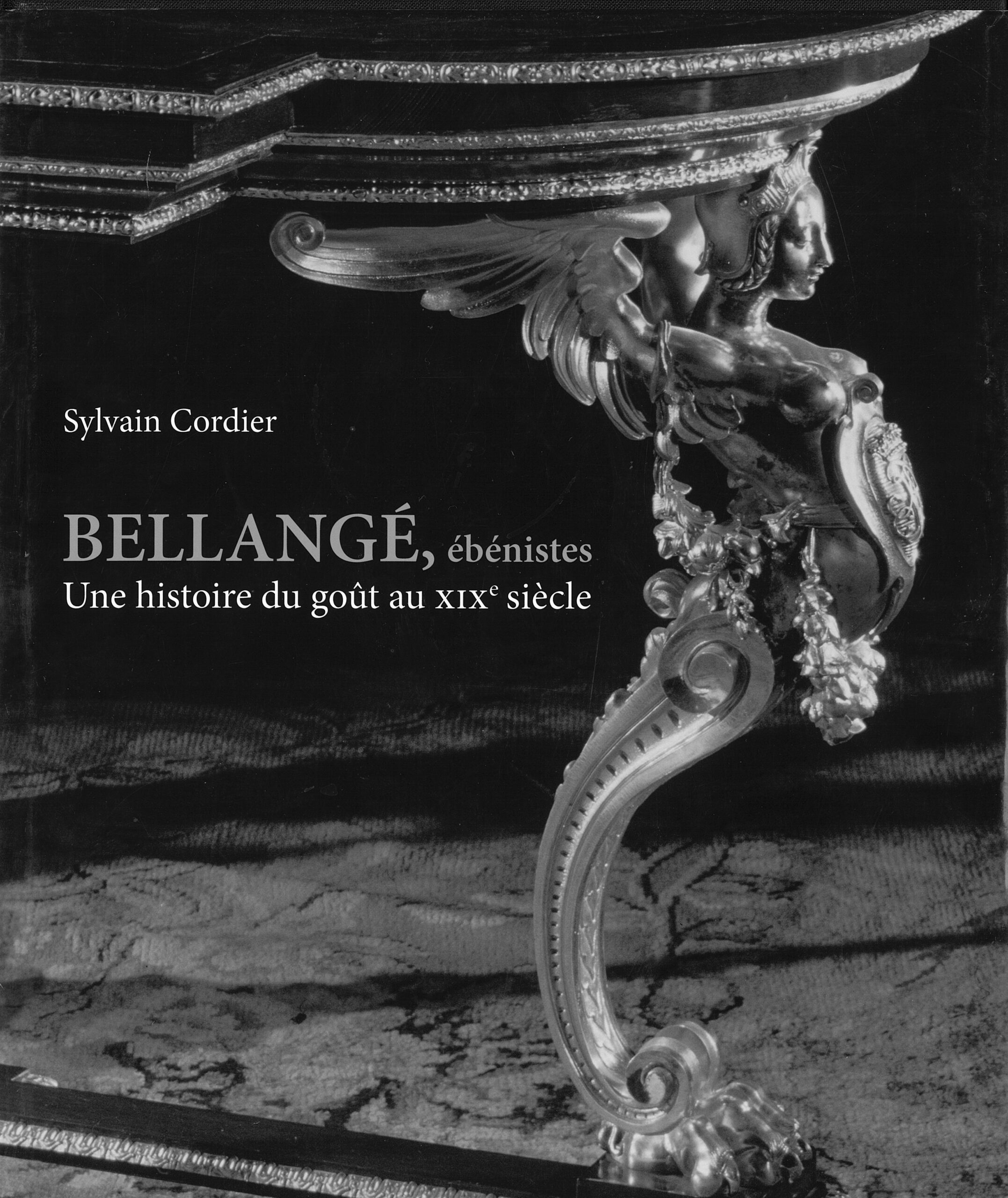
LITERATURE: Sylvain Cordier, Bellangé, ébénistes, Une histoire du goût au XIXe siècle, Paris, 2012, p. 207, 210, 220, 222, 311, 546-549, and 567, cat. LAB 57.
Masterpiece of Louis-Alexandre Bellangé, this ceremonial centre table was executed circa 1834, as proven by the cabinetmaker’s signature on the bronze plaque fixed under the table top, at the centre of its central cross-rail, which also bears the mention Bellange/brevete du Garde Meuble de la Couronne, faithfully reproducing the title of his letterhead which he used up to that date. From 1834 onwards, Bellangé now presented himself as ébéniste du Roi (cabinetmaker to the King) or de la Maison du Roi (to the King’s House) and no longer as du Garde-Meuble de la Couronne (of the Guarde-Meuble to the Crown).
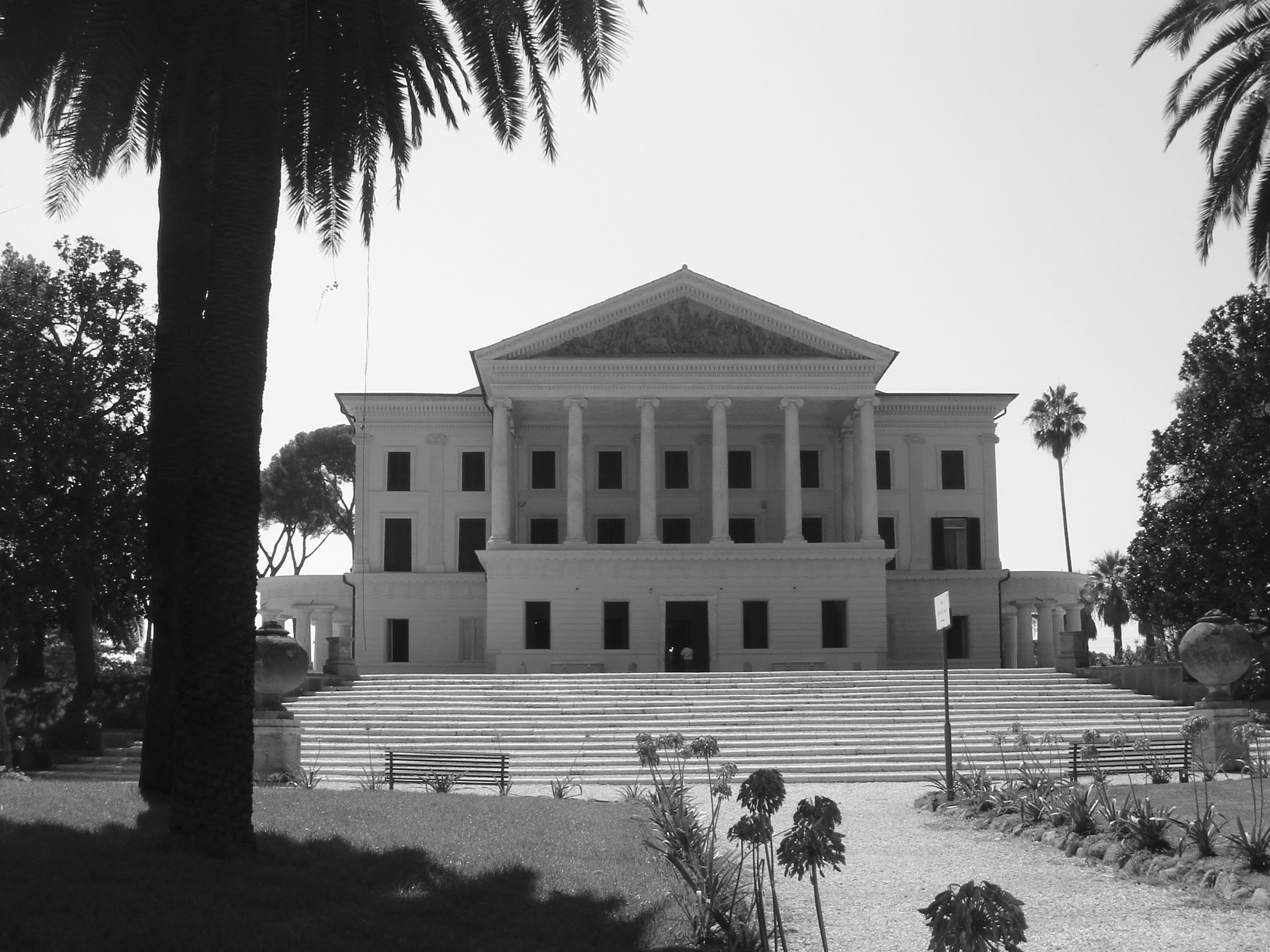
The table was commissioned, together with an identical second table, by Alessandro Torlonia (1800–1886), Duke of Ceri and 1st Prince of Fucino, an immensely wealthy banker and businessman but also a collector and patron, known as the “Rothschild of Rome,” who had inherited from his father in 1829 and was just beginning, in order to assert his new status as Prince and head of the House of Torlonia, a major renovation of the particularly sumptuous interior decor of the family palace on the Piazza Venezia in Rome. It was in this palace that our two tables were placed, in the Sala di Telemaco (Telemachus Room), where they were photographed before 1903. During the same period, the Prince also completed the Villa Torlonia, built in the Nomentano district of Rome by Giuseppe Valadier on behalf of his father, the banker Giovanni Torlonia (1754–1829), and had its gardens landscaped.
If the Maison Bellangé was renowned throughout Europe, it was perhaps in Paris, at the 1834 Exposition des produits de l’industrie française (Exhibition of Products of the French Industry), as suggested by Sylvain Cordier, that the Prince first met the cabinetmaker and discovered the very best of his craftsmanship at his stand: “the works exhibited by M. Bellangé are well worthy of his reputation,” as can be read in the catalogue Notice des produits de l’industrie française : précédée d’un historique des expositions antérieures et d’un coup d’œil général sur l’exposition actuelle (Notice of French Industrial Products: Preceded by a History of Previous Exhibitions and an Overview of the Current Exhibition), published at the time of the event. It should be noted that on this occasion Bellangé exhibited a “centre table in Gonzalès wood, supported by three winged chimeras in matt-gilded bronze, its triangular base adorned on each side with a figure in matt-gilded bronze,” which may well have prompted the prince to purchase from this cabinetmaker two exceptional tables bearing his monogram.
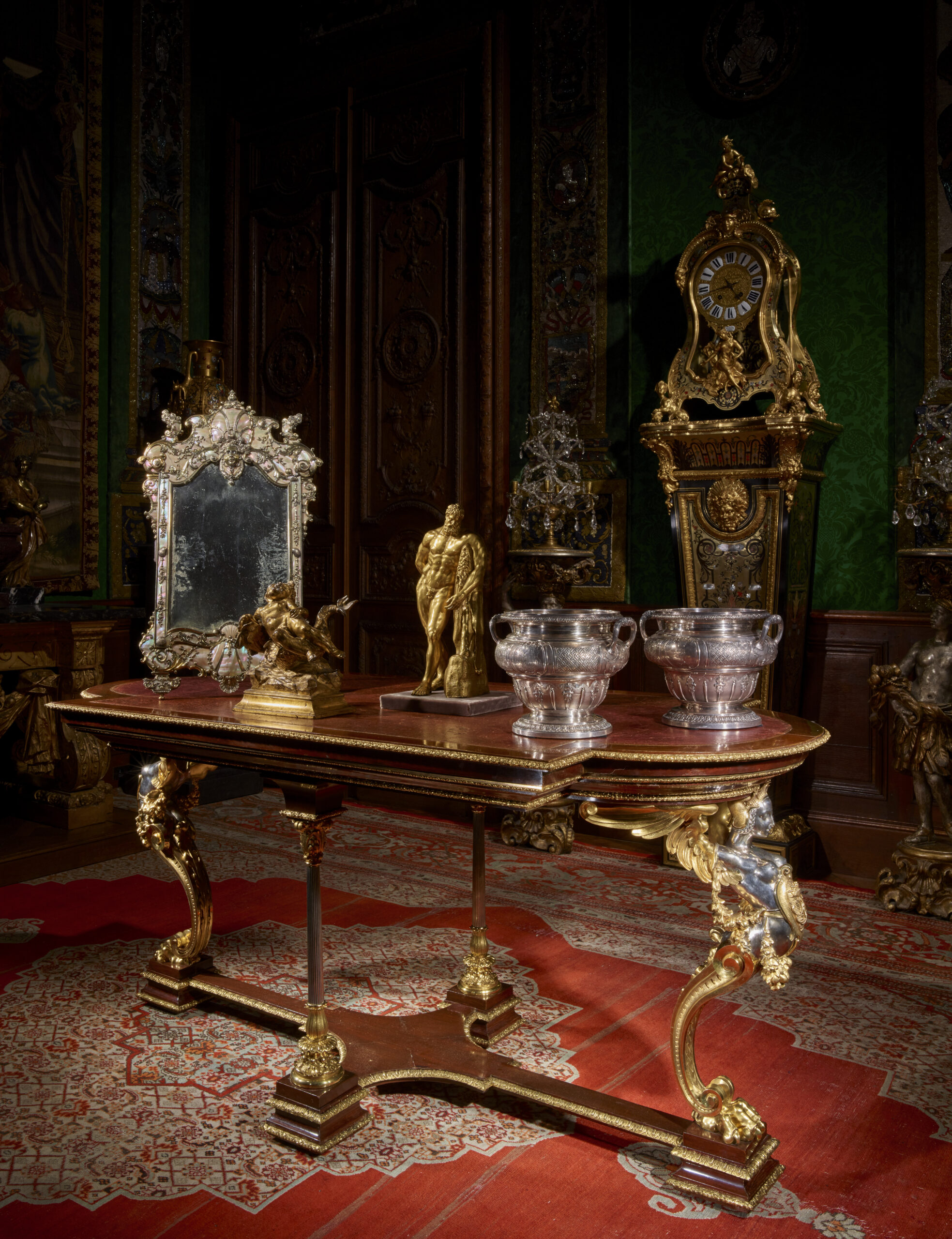
Oblong in shape, the table, whose carcass was executed in oak and poplar, displays an impressive top, covered in brown morocco leather, featuring a rectangular central section flanked at its ends by two semicircles recessed into the sides.
A wide amaranth veneer border encircles the whole, lined with a gilt bronze frieze, delicately chiselled with foliate button motifs and openwork interlacing. The table’s amaranth rail has a flared contour with a straight, cyma-moulded band, highlighted by moulded gilt bronze friezes with ornamental motifs different from those on the top, consisting of interlacing motifs and eggs set within small cut-out leather motifs, inspired by medieval as well as Renaissance styles.
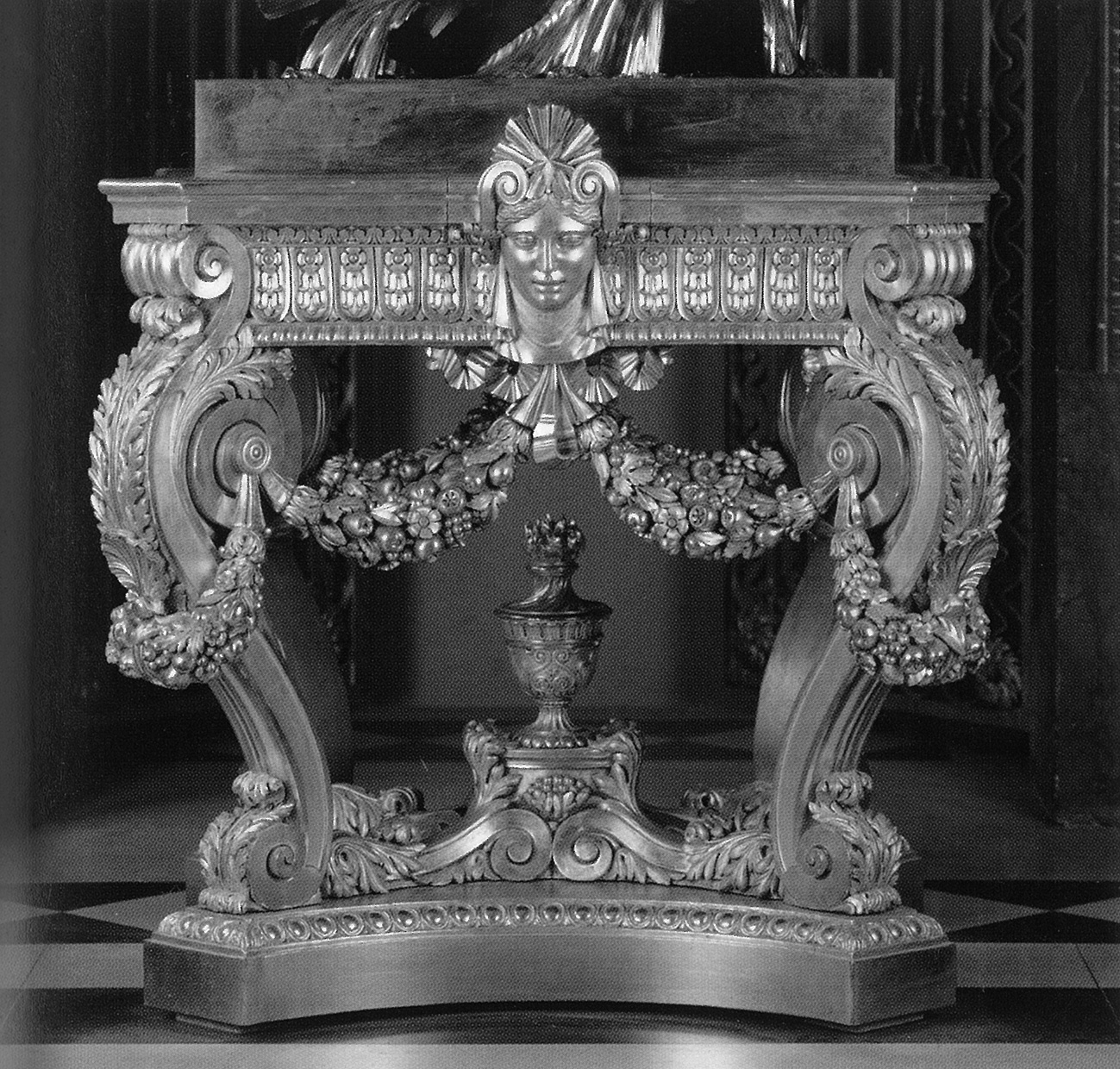
The table’s spectacular bronze base features two impressive, winged term-shaped female figures at its ends, whose beautiful faces, imbued with very great nobility and serenity, with half-closed eyes and flanked by braids, as well as their bare busts, have been treated in silvered bronze. The simultaneous use of silvered and gilded bronze was a great innovation at the time, several years ahead of the works by goldsmith François-Désiré Froment-Meurice (1802-1855). Each of these allegories is crowned with a gilt bronze tiara helmet, also inspired by the Middle Ages, and is encircled by an oblong shield, also in gilt bronze, with a border of ‘cut leather’ and scrolls, bearing the cipher AATT in intertwined cursive letters, standing for Alessandro Torlonia, surmounted by the crown of a Roman prince.
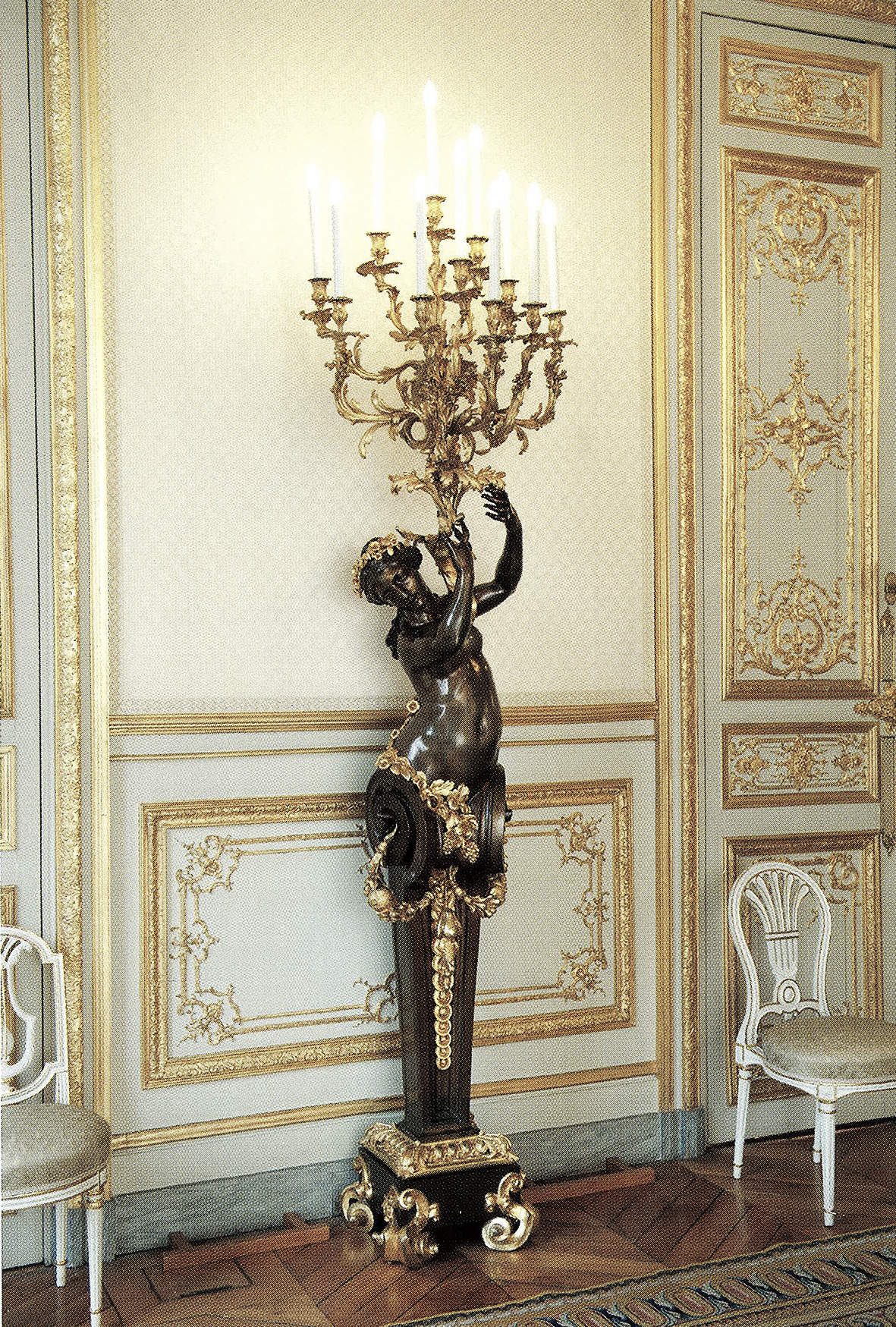
The opulent gilt bronze wings of the two figures, spreading out under the semicircle of the plateau, support a luxurious garland of flowers and fruit, passing on either side of the coat-of-arms rail and emphasising the bust of each chimera with an accolade, the latter emerging from a sturdy console with gilt bronze scrolls, chased with motifs of piastre chutes and fluting, and terminating with claws. It is conceivable that Bellangé called upon the services of the artist bronzier and founder Charles Crozatier (1795-1855) to sculpt these dazzling figures, who, in 1842, delivered an imposing pair of torchères with female term-shaped figures to the grand salon of Louis d’Orléans (1814-1896), Duke of Nemours and younger son of Louis-Philippe, at the Tuileries Palace. These torchères are now kept in the collections of the National Assembly in Paris.
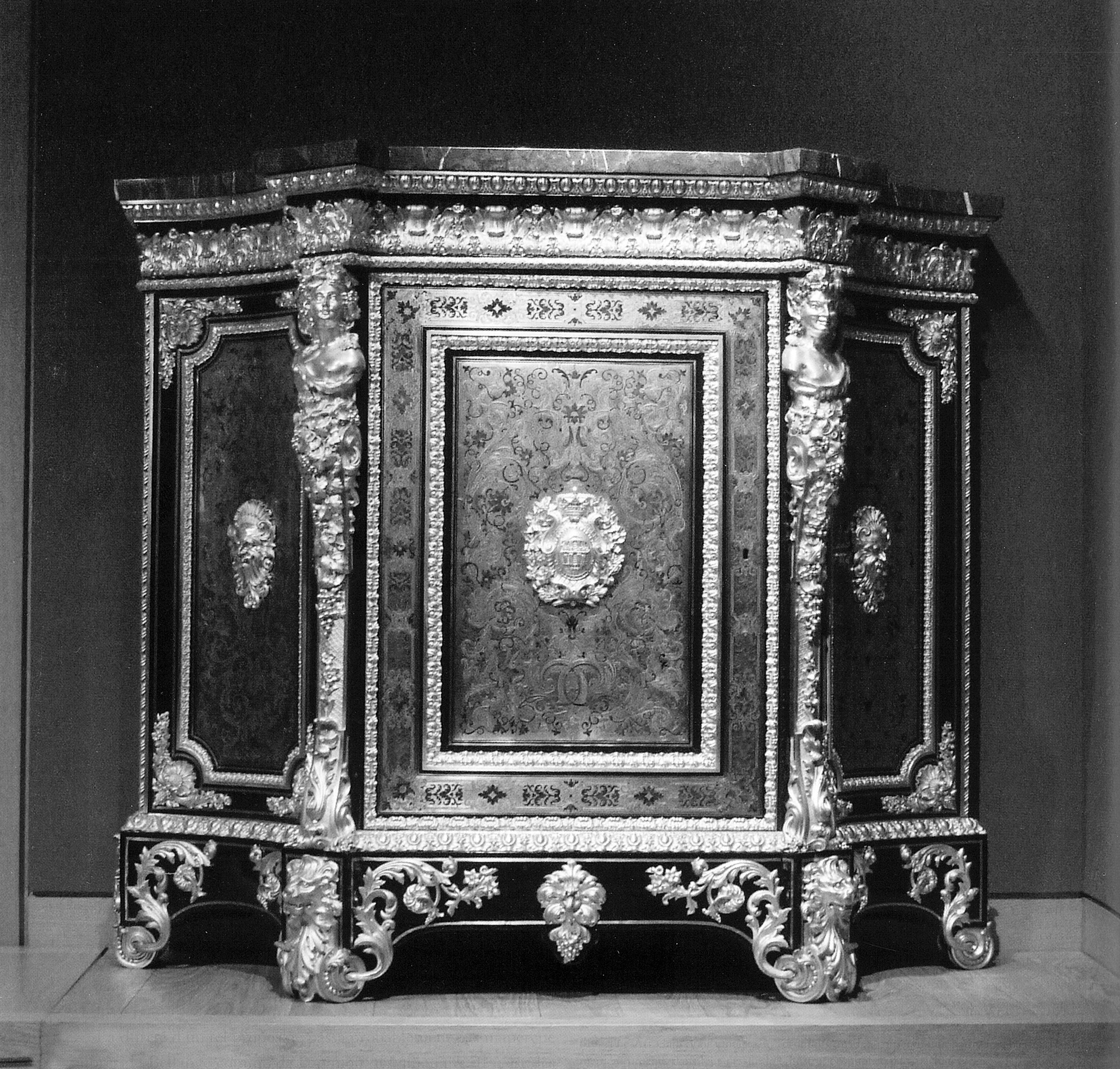
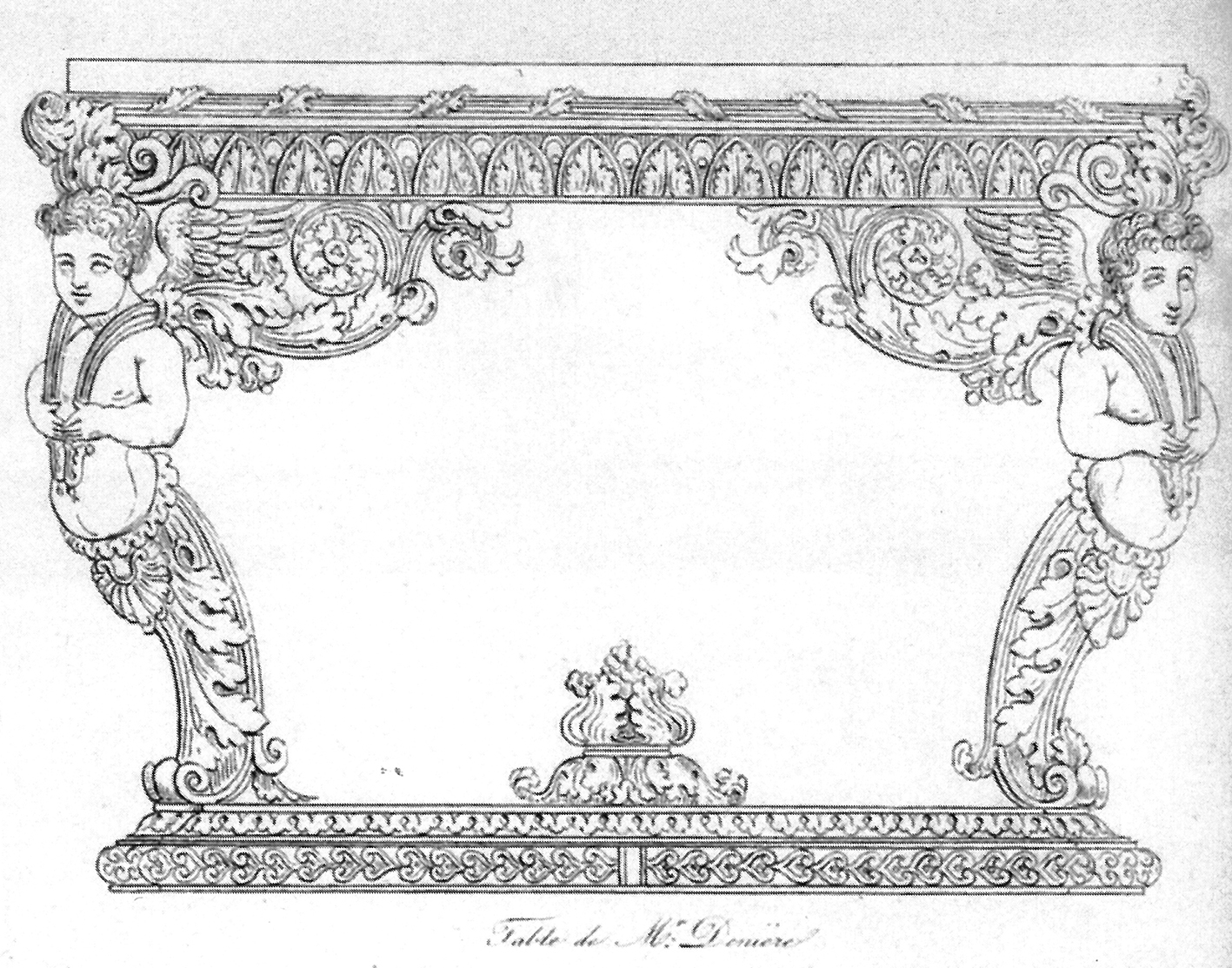
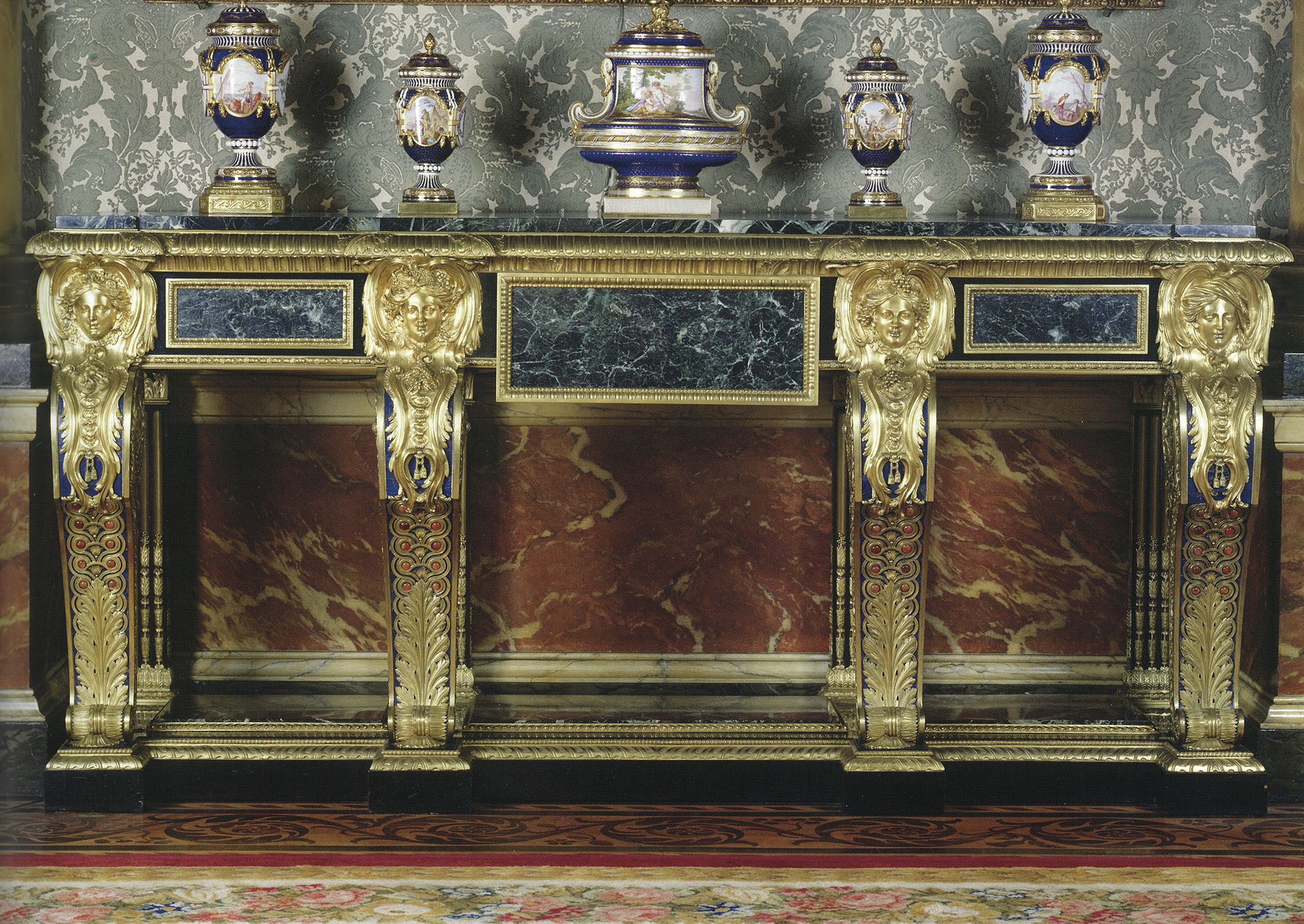
The figures on our table also echo those of the term-shaped winged children created by bronze artist Jean-François Denière (1774-1866) for a table known as the ‘children’s table’, which he exhibited on his stand during the same Exposition in 1834. It should also be noted that very similar figures would much later, in 1889, adorn a bronze table designed by Constant Sévin and executed by Maison Barbedienne on behalf of Mr. Vanderbilt, which was presented at the Universal Exposition held in Paris that year.
These two allegorical feet supporting our table at its ends are complemented, in the median section, by two bundled colonnettes, with acanthus bases, bulbous shafts and Corinthian capitals, also combining silvered bronze for the shaft and gilded bronze for the bases and crowns.
The four bronze feet each rest on a square, cyma-moulded amaranth base, punctuating the ends of a cross-shaped stretcher with identical veneer, whose central section displays spandrel angles and slight projections.
The whole is enriched, mirroring those of the table top, with gilt bronze friezes with gadroon motifs and interlaced foliage. A delicately chiselled gilt bronze plaque bearing the mention BELLANGÉ/BREVETÉ DU GARDE-MEUBLE DE LA COURONNE/ PARIS/RUE RICHER/PASSAGE SAULNIER N° 8 is affixed to the centre of the middle cross-rail supporting the top of this exceptional table, of which only two were executed by Bellangé for Prince Alessandro Torlonia.
Giovanni and Alessandro Torlonia, a meteoric rise within Rome’s exclusive high nobility
Alessandro Torlonia was the great-grandson of a modest cloth merchant from Forez, Antoine Tourlonias, and the grandson of Marin Tourlonias (1725–1785), born in Augerolles (Puy-de-Dôme), who settled in Rome in 1750, where he Italianised his surname to Marino Torlonia.
The latter allegedly settled in Rome, in the service of one of his family connections, the abbot of Montgon, an agent of Philip V of Spain, who had such serious disagreements with Cardinal de Fleury that he preferred to take refuge in the Zuccari palace, very close to the Trinità dei Monti, where Reynolds, the Nazarenes, and the famous Winckelmann sojourned. First a valet de chambre, then a silk and drapery merchant, Marino married the daughter of a French émigré and a German aristocrat. The couple had fifteen children, including Giovanni (1754-1829), “that famous thread merchant” according to Stendhal, father of Alessandro, hero of the family, and true founder of the princely Torlonia dynasty, with the help of his brother Giuseppe. The business thrived so well that the Torlonia family swiftly turned their sights to banking.
Although Giovanni was not accepted into the ranks of Roman bankers at first, he nevertheless managed to establish his Maison as the leading bank operating in Rome. His son Alessandro succeeded him in that position and, from 1829 to 1860, headed the famous bank, which would eventually be sold in 1869 and placed in receivership in 1872. To achieve his goals, Giovanni took full advantage of the upheavals caused by the French Revolution—he was the banker to the papacy (which elevated him to the rank of Marquis and then of Duke), but also a supplier to the armies of the Republic, a purveyor to the Roman Republic, the banker to all the Bonapartes and the Roman nobility, the representative in Rome of the Prince of Fürstenberg (who made him an Imperial Nobleman in 1794), in charge of Polish interests, etc.
The Torlonia bank was comparable to that of the Rothschilds, first devoting its activities to foreign exchange transactions and the use of unutilised commercial capital, then to the acceptance of bills issued throughout Europe by the Papacy. During the two decades of conflict between France and the Holy See, Giovanni Torlonia was present at every stage, manoeuvring between the Papacy and the successive governments that France imposed upon it. His name appears frequently in French dispatches, notably at the time of the assassination of Basseville, the ill-advised embassy secretary whose tragic end was recounted by Stendhal, and in Cacault’s reports when France imposed the Armistice of Bologna on the Pope in 1796.
Giovanni thus became the banker to a pope who did not have enough money to pay the armistice contribution. As France agreed to be paid in supplies, notably alum (which had made the Chigi family’s fortune in the 16th century), Giovanni arranged for these to be transported via Civitavecchia. After the Treaty of Tolentino (1797), he intervened again by signing a number of bills of exchange for the Pope, and even signed a compromise with France.
He pursued his rise by taking part, with considerable skill, in operations that always proved lucrative in times of unrest—providing supplies for armies, provisioning the city of Rome, purchasing national assets, and investing in various financial ventures (weaving, timber, etc.). The Torlonia bank thus became one of the most solid and prosperous banks in Italy, and in the wake of the fall of the Republic, Giovanni found himself the owner of vast estates from Rome to the sea. At the end of the century, with his profits exploding exponentially between 1797 and 1800, his fortune was made, and he was unanimously regarded as the richest banker on the peninsula. Married to Anna Maria Schultheiss (1760-1840), Giovanni Torlonia became the owner of the vast estate of Roma Vecchia, a farm elevated to the status of a Marquisate by the Pope. In 1803, he acquired the Duchy of Bracciano, a title he held from 1809 onwards and which travellers and chroniclers mentioned systematically. In the same year, he became a Roman patrician, an honour granted to him by Pope Pius VII for services rendered. This allowed him to enter the very closed circle of the Roman high nobility, alongside the Borghese, Colonna and Orsini families. In 1814, he was made a Prince after purchasing the castle and estate of Civitella Cesi. This quest for nobility ended in 1820 with the purchase of the Duchy of Poli and Guadagnolo. On all these castles, villas, palaces and the Torlonia family’s funeral chapel in St. John Lateran, Giovanni affixed a very expressive coat of arms composed of a band of six golden roses on a silver ground crossed by two shooting stars on an azure ground. Although in 1810 he ranked only seventeenth among the richest Romans—Prince Borghese was then way ahead at the top with 2,605,810 Scudi—by 1820 his fortune was already worth an estimated 1,082,758 Scudi, 85% of which was in real estate. But when he died in 1829, his estate was valued down to thirty-five million Scudi!
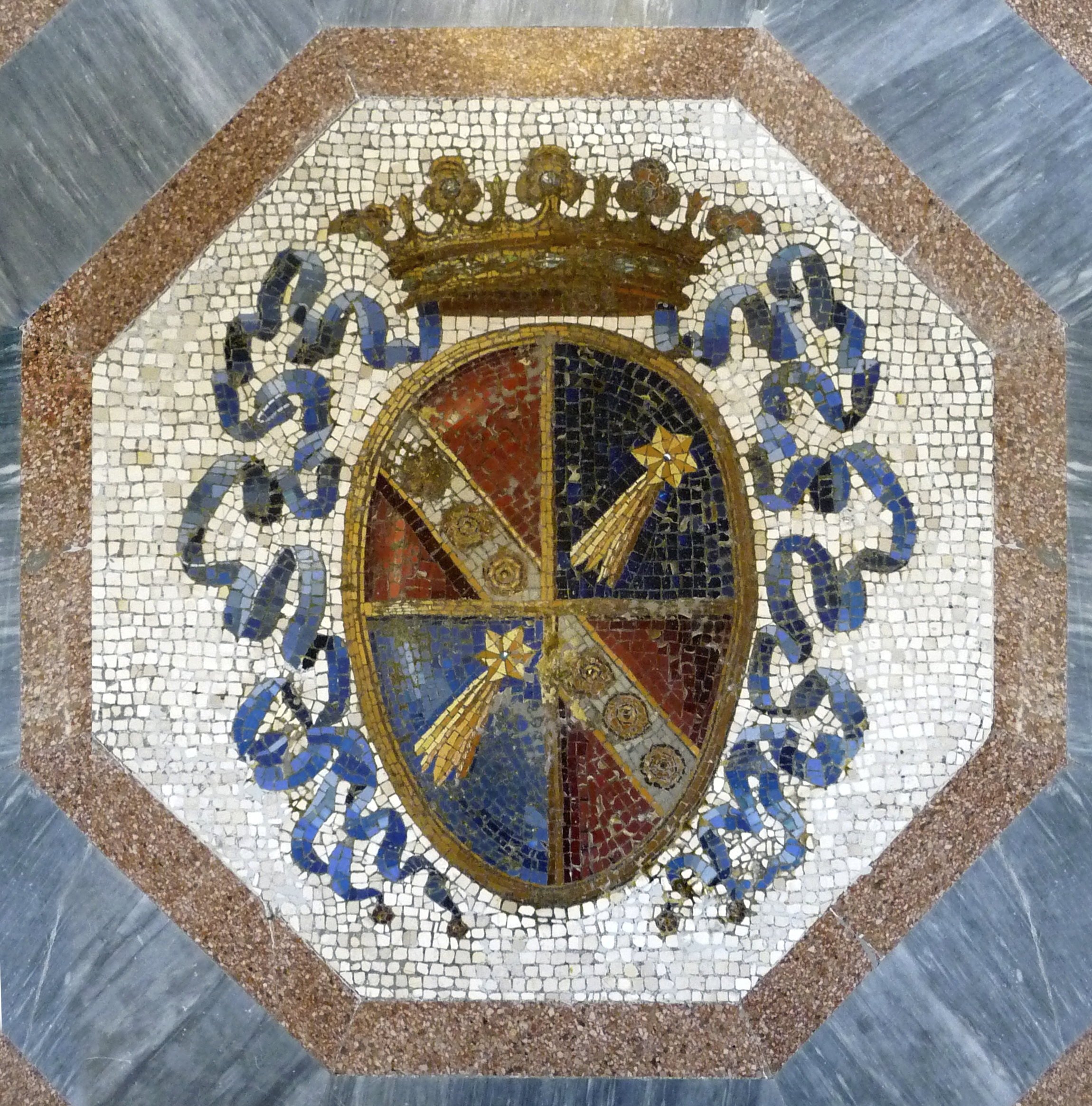
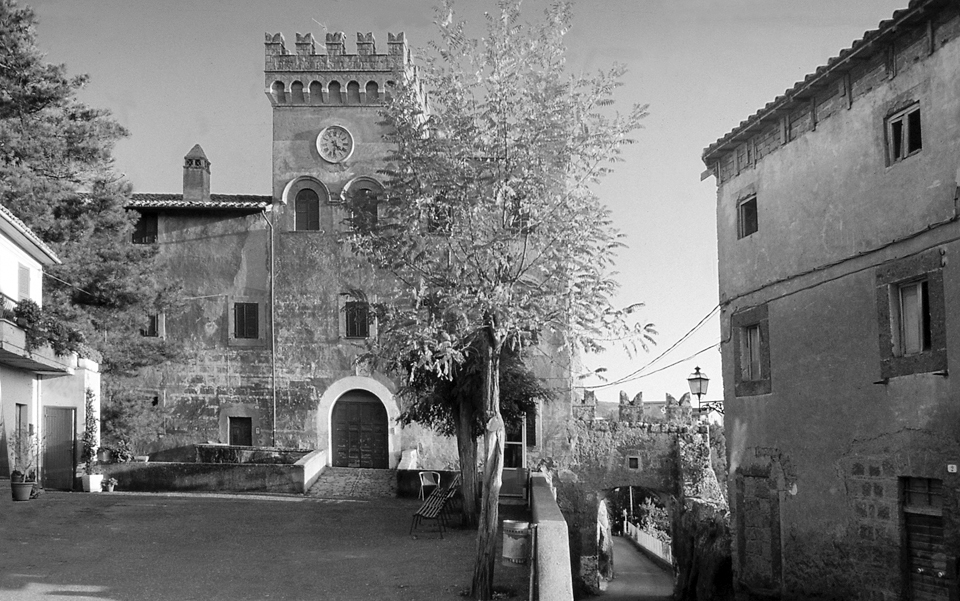
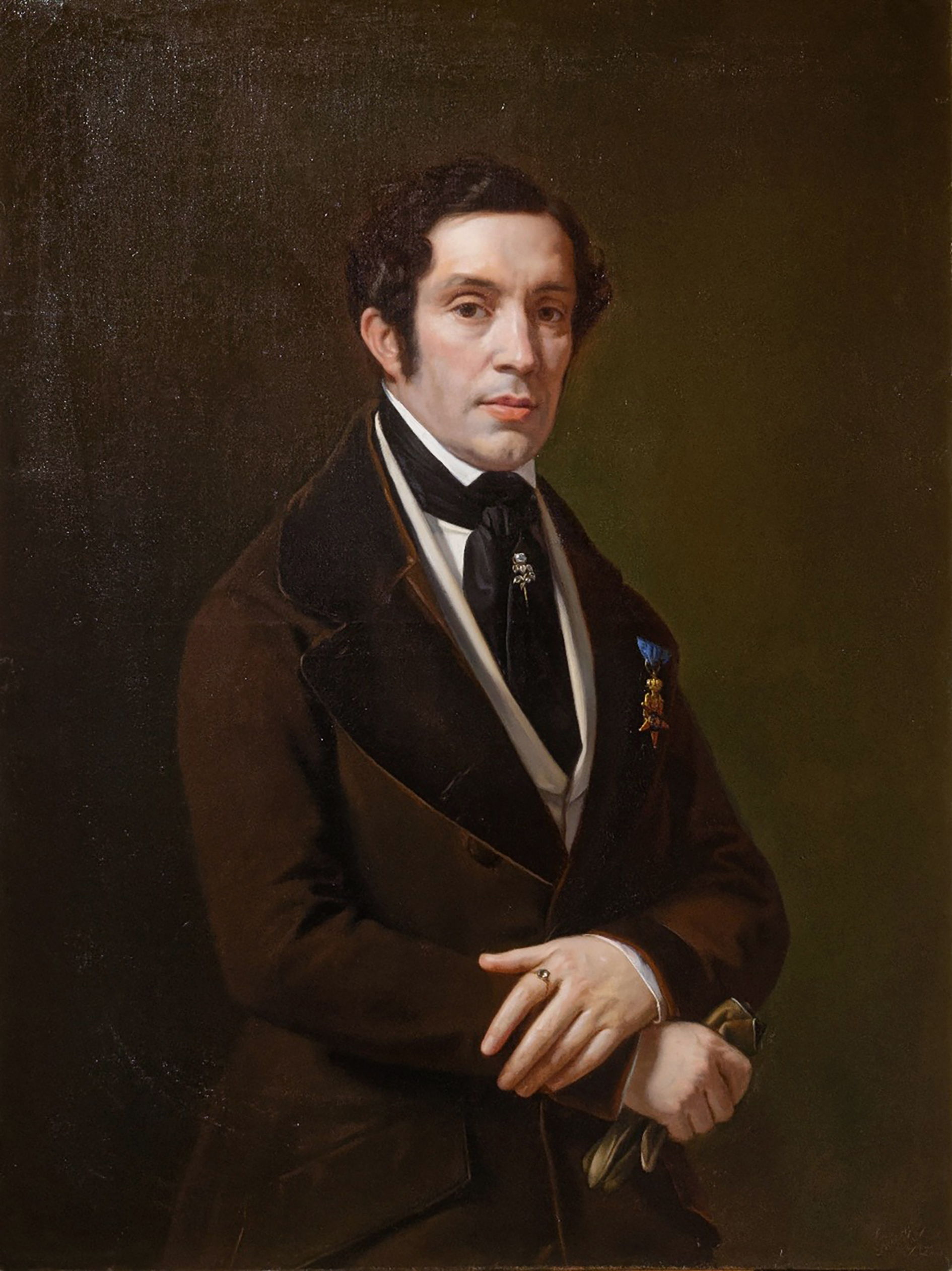
His youngest son, Alessandro, one of three brothers, was born in Rome on 1st January 1800. Having inherited his father’s fortune in 1829, he was given the name, as already mentioned, of the “Rothschild of Rome”. In 1840, he married Donna Teresa Colonna-Doria (1823-1875), which allowed him to add to his coat of arms the famous column of that renowned Italian princely family. Like his father, Alessandro became a banker and businessman, but also a collector and patron of the arts of the very highest order.
Among his patronages, mention should be made of the draining of Lake Fucino, his great work, which Julius Caesar had already envisaged and which Emperor Claudius attempted to carry out—this titanic operation earned him the title of 1st Prince of Fucino. Another of his major achievements was the securing of the salt and tobacco tax farms, which Stendhal mentions in his letters and reports to Rigny, Broglie and Guizot. Following in his father’s footsteps, he also rendered numerous financial services to the papacy, to such an extent that Pius VIII named him “the father of the nation”. The Pope went as far as telling Anna-Maria Torlonia, Alessandro’s mother: “Your son is mine, he saved the State”!
The Torlonia family thus rose to the rank of Prince Assistant to the papal throne, a position that has remained in the family to this day. Alessandro also strengthened his partnership with the Rothschilds (public debt redemption fund, government bonds) and, over the years, acquired numerous stakes in mines, transport, the wool trade, etc. At the same time, he became one of the greatest collectors of his day. He enlarged and considerably remodeled the palaces and villas acquired by his father. The galleries and salons of the Torlonia Palace, formerly the Bolognetti Palace (destroyed at the beginning of the 20th century), were adorned, in addition to our tables, with countless antique sculptures and works by contemporary artists such as Canova —whose group of Hercules Hurling Lycas into the Sea was admired by Stendhal—Thorwaldsen, and Galli.
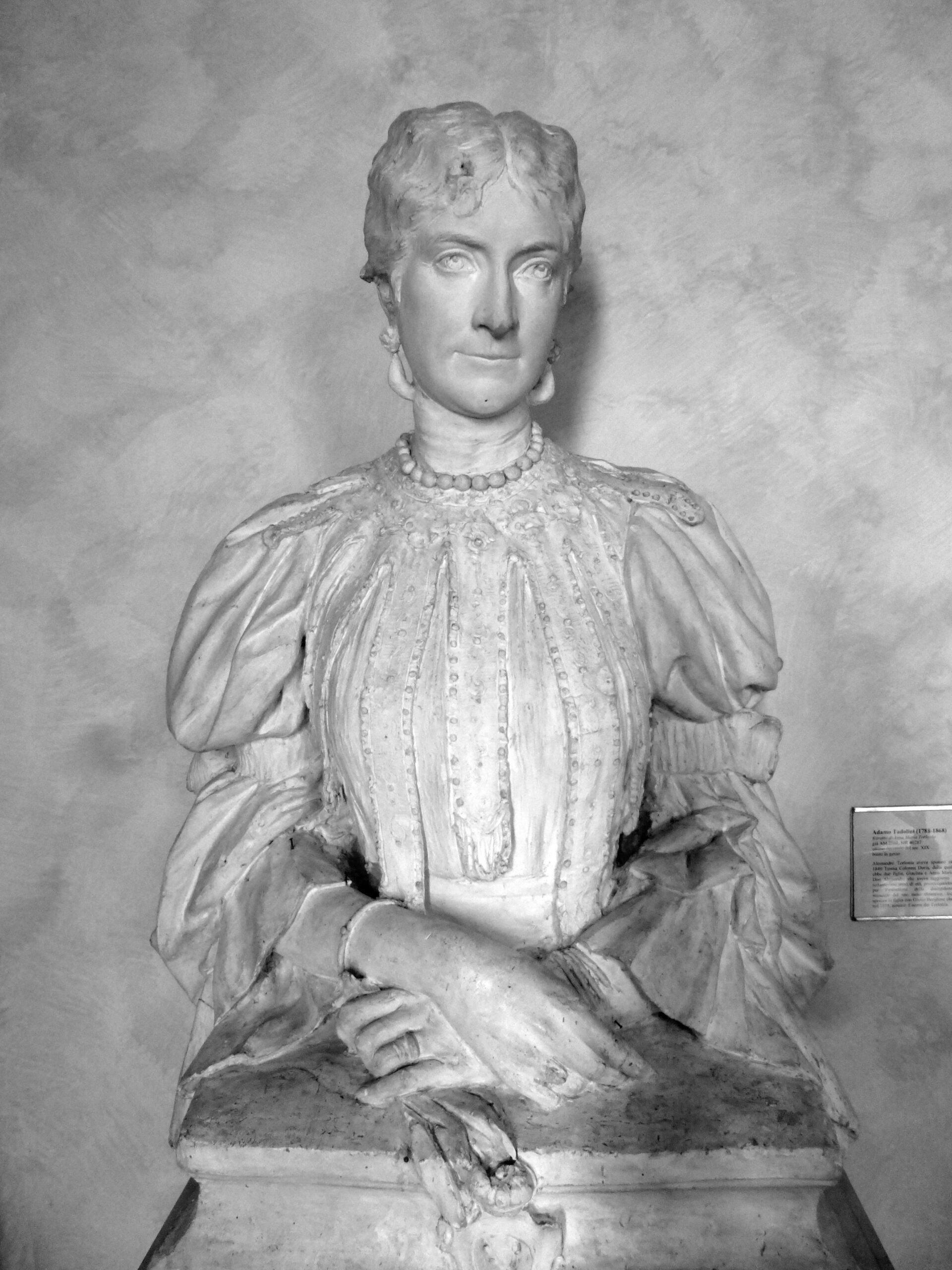
A further addition was a very important archaeological collection, which was described by Oliviero Ozzi in 1902 and by Jörgen Hartmann in 1967. The Villa Torlonia, located on Via Nomentana, acquired from the Colonna family in 1797, was restructured by Giuseppe Valadier from 1802 to 1806, then by Caretti and Raimondi, who modelled it on Villa Adriana, adding a casino and a theatre. There was also the Torlonia Palace in Borgo, on Via della Conciliazione, with its vast salons, where Alessandro received thousands of guests and organised memorable parties from 1840 to 1845. Other notable properties comprised Villa Albani, acquired in 1868, with the former Albani collection; the Torlonia Museum on Via della Lungara (assembled from the former Giustiniani collection, on the advice of Pietro Ercole Visconti); the Apollo and Argentina theatres (ceded to the city of Rome); as well as the room of the Alibert.
In this regard, a comparison can be drawn between the Torlonias, father and son, and Mayer Amschel Rothschild and his five sons, who were established in Frankfurt, London, Paris, Vienna and Naples—but not in Rome! Giovanni and Alessandro Torlonia were key, must-see figures in the Eternal City, living up to their motto, “To God and Torlonia, anything is possible,” their name remaining almost legendary to this day. Alessandro Torlonia died in Rome on 7th February 1886.
His eldest daughter, Princess Anna Maria Torlonia (1855-1901), was the sole heir to her father’s colossal empire, her younger sister, Giovanna Giacinta Carolina Torlonia (born in 1856), having predeceased her in 1875. In 1872, Anna Maria married Prince Giulio Borghese (1847–1914), Duke of Ceri, who was obliged to adopt his wife’s surname for the sole purpose of perpetuating the illustrious name.
Torlonia Palace, piazza Venezia, Rome
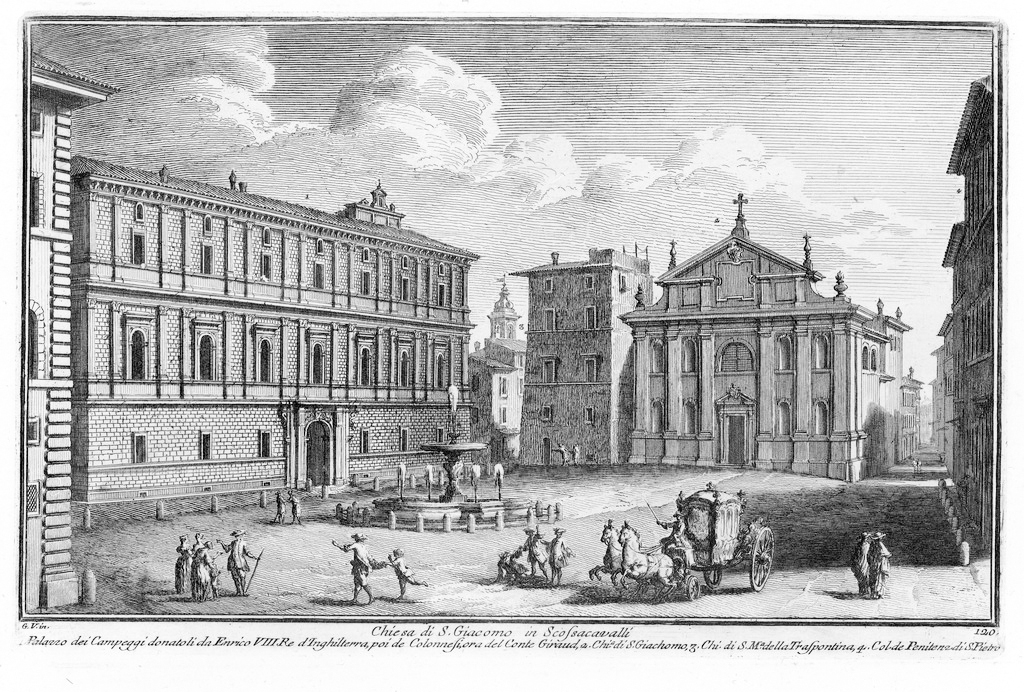
The Torlonia Palace was built at the end of the 15th century on the model of the Chancellery Palace for Cardinal Adriano Castellesi da Corneto, secretary to Pope Alexander VI Borgia, who actually never lived there. The latter ceded the still unfinished building to Henry VIII of England, who turned it into his embassy to the Holy See until the Anglican schism (1509-1571), which led to the break with Rome and the confiscation of the Palazzo Bolognetti by the Apostolic Chamber. In 1760, the palace was acquired by the family of Cardinal Giraud, Marseille bankers, and, at the beginning of the 19th century, by Giovanni Torlonia.
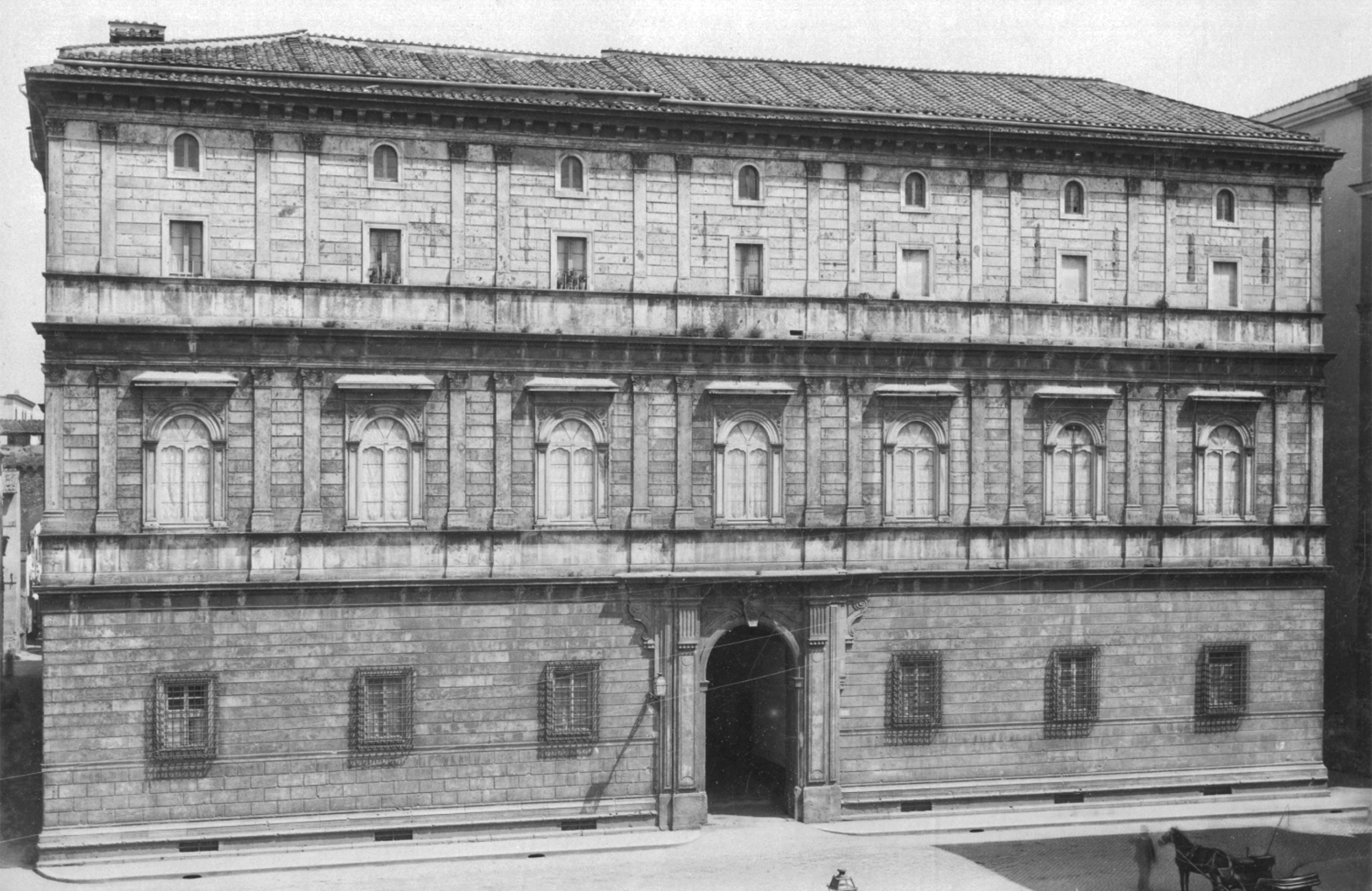
The latter significantly restructured the palace in the Neoclassical style, calling upon the finest artists of the time, entrusting the architectural work to Giovan Battista Caretti and the interior decoration to Francesco Podesti.
The Torlonia family also multiplied their commissions to Canova, Thorvaldsen, Tenerari and Cognetti. In a clear desire to ascertain his status as a Roman Prince, Alessandro Torlonia remodelled the interior decors of the palace after inheriting it from his father. The Sala di Telemaco (Telemachus Room), where our two tables were placed, was designed at that time in a particularly lavish Neo-Raphaelite style, punctuated by murals executed by Pietro Paoletti (1801-1847).
Unfortunately, the Torlonia Palace was demolished in 1903 so as to clear the view and allow a sightline from Piazza Venezia to the Altar of the Fatherland, built on Via del Corso, in accordance with the wishes of the time. All of the rooms, their decorations and collections were photographed before the building was knocked down. Most of the frescoes were sold at auction and the collections dispersed. All that remains today are only a few fragments of decoration that have been reassembled in the Museum of Rome, in the rooms of the Braschi Palace. The current façade, in Piazza Venezia, was later rebuilt along the lines of the original model.
Louis-Alexandre Bellangé
Born in Paris on 26th Fructidor, Year IV (12th August 1797), Louis-Alexandre Bellangé was the eldest son of Pierre-Antoine Bellangé and Marie-Anne-Agnès Quenet. A pupil, collaborator and successor to his father and uncle, taking over both of their workshops, he became one of the main suppliers to the royal family under Louis-Philippe and the July Monarchy (1830-1848).
In early 1820, Louis-Alexandre married Céphyse Fleury, daughter of an important propriétaire cultivateur (landowner and farmer) from Normandy residing in Doudeauville, in the Eure department. The marriage contract gave him the right to claim succession as head of his father’s workshop from 1st January 1825. In November 1826, he moved the workshop from rue Neuve-Saint-Denis to 8, passage Saulnier, near the future Théâtre des Folies Bergère (1869), in what is now the 9th arrondissement of Paris, opposite the studio of the painter Eugène Delacroix (1798-1863).
His early days in the workshop inherited from his father, which employed a large staff, were fraught with hardship, compounded by reduced funding from the Mobilier de la Couronne (Crown Furniture) after 1825. These economic difficulties persisted after the July Revolution of 1830, which saw King Louis-Philippe I ascend the throne. They led to bankruptcy, and the liquidation of his business was proclaimed in September 1831.
The workshop was re-established shortly afterwards, Bellangé receiving his first King’s Civil List commissions in 1832. From then on, his reputation and activity grew rapidly apace through the first decade of the July Monarchy. Louis-Alexandre Bellangé was rewarded at the 1834 Exposition des Produits de l’Industrie, the year our two tables were commissioned, and again in 1839. He rose from ‘Patented Furniture Maker to the Garde-Meuble de la Couronne’, a title he inherited from his father, to ébéniste to the King in 1834, a title he retained until 1843.
But in spite of these successes, the cabinetmaker’s chronic financial problems endured as evidenced by several payments for furniture delivered on behalf of the Maison du Roi, which were paid directly to his creditors. It was undoubtedly all these incessant struggles that got the better of his resolve, and Louis-Alexandre Bellangé definitely retired from business at the beginning of 1844. He was forty-seven years old at the time and became a ‘rentier,’ leaving passage Saulnier for an apartment located at n°. 3 rue des Magasins, now rue de Saint-Quentin, in the 10th arrondissement. Louis-Alexandre Bellangé then embarked on a long journey to Mexico, joining his brother Pierre-Alexandre in order to share in his success, the latter having acquired a silver mine in Guanajuato in 1843. The venture, however, lasted less than six years; by 1851 he was back in France, having reunited with Céphyse, and now residing at 5 rue Desaix, Maisons-sur-Seine. The couple returned to Paris, as recorded in 1854, at 94 boulevard des Batignolles, where our cabinetmaker passed away on 7th June 1861.

